


 AstraZeneca, Bristol Myers Squibb Explore Mega Merger Worth Nearly $400 Billion
  FDA Approves Mirum’s Atebrioz for Rare Bone Disorder FOP
  New York Declares Measles Disaster Emergency as Cases Surge
  Hims & Hers Shares Fall as GLP-1 Costs Widen Q2 Loss
  U.S. Issues Cuba Health Alert as Illnesses Rise
  Novartis M&A Strategy Faces Investor Scrutiny After Drug Setbacks
  Trump Administration Bars U.S. Travelers From Congo Flights Amid Ebola Outbreak
  Hanmi Pharm Soars 30% on $2.3 Billion Genentech Obesity Drug Deal
  Trump Signs Order to Cut Routine Childhood Vaccines
  Eli Lilly Eyes AtaiBeckley Acquisition to Expand Psychedelic Mental Health Pipeline
  GSK Unveils $2.52 Billion Cost-Cutting Plan to Accelerate Drug Pipeline
  Novo Nordisk Eyes Turnaround as Oral Wegovy Challenges Eli Lilly in Weight-Loss Drug Race
  3 clinical-grade skincare creams you really shouldn’t buy online
  Moderna Short Sellers Hit With $4.8 Billion Loss as Stock Soars
  Novo Nordisk Raises 2025 Outlook Despite Wegovy Pill Miss and CagriSema Setback
  Venezuela Earthquake Health Risks Rise as Disease Monitoring Intensifies


 Add as a preferred source on Google
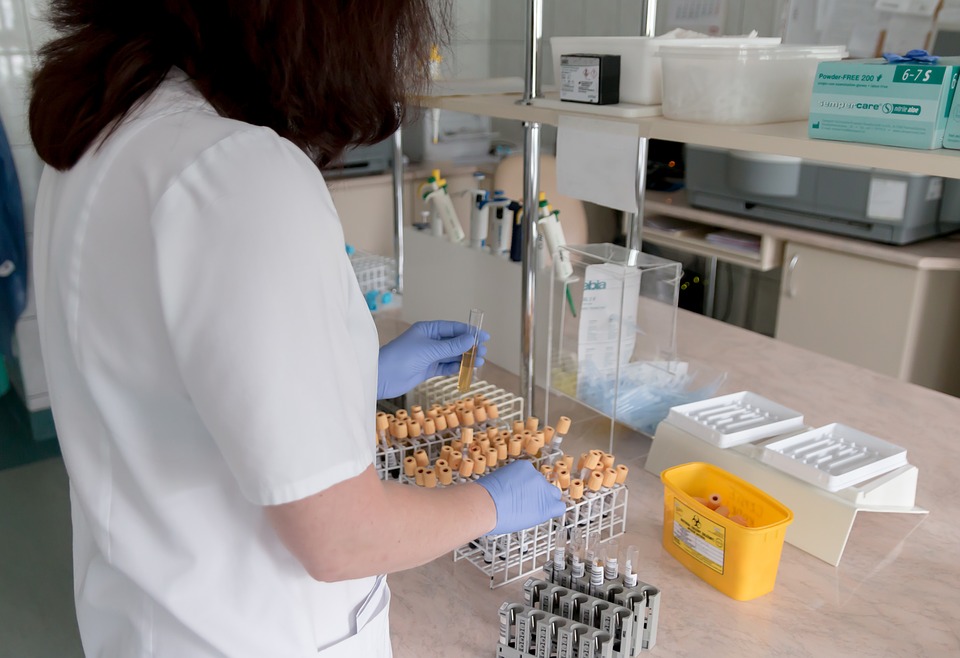
Despite the emergence of new diseases, scientists all over the world are still as determined to find a cure for the existing life-threatening conditions like HIV/AIDS. Nowadays, scientists are looking into other ways to end the disease on a global scale.
Research is still heavily underway to be able to develop a cure, and MedicalXpress reports that three experts in the field of infectious diseases are currently assessing potential drug candidates in the hopes that they can determine why and where a cure is needed the most and how they can deliver. The researchers; Dr. Steven G. Deeks from the University of California San Francisco, Dr. Thumbi Ndung’u from the African Research Institute in South Africa, and Dr. Joseph M. McCune from the Bill and Melinda Gates Foundation in Seattle, all found that majority of HIV/AIDS research is found in countries where the disease is not as prevalent but are high in resources.
The three researchers all explain that the breakthroughs made in the research of HIV/AIDS should also factor in the economies and needs of those who need it the most. The disease is especially prevalent in sub-Saharan Africa, where the World Health Organization states, has the majority of the HIV/AIDS cases in the world. This is where 65 percent of new infections and 75 percent of deaths occur as well. They also point out that there has not been a lot of discussion regarding the practicalities of product development for the region that needs it the most. “Failure early on to define a target product profile risks developing a strategy that fails to be effective.”
Meanwhile, MedicalXpress also reports that a study conducted using animal models found a possible method for eradicating HIV/AIDS from the body. Researchers from the Yerkes National Primary Research Center of Emory University and the University of North Carolina found that the “shock and kill” strategy, which involves waking up the dormant virus from within the immune cells and killing it, may indeed be the way to go in eliminating HIV/AIDS.
The researchers conducted two studies using animal models of HIV/AIDS infection. Both studies had different approaches, but the results of both studies were promising. They found that both approaches disrupted viral latency at levels that exceeded expectations. However, their findings do not suggest a cure just yet as more tests are needed with human subjects should be in the plans.







