


 Global Central Banks Brace for More Rate Hikes as Inflation Risks Rise
  RBA Hikes Interest Rate to 4.60% as Inflation Risks Rise
  BOJ Raises Interest Rate to 31-Year High as Yen Weakens
  US Stocks Slip as Treasury Yields Ease, AI Trade Rebounds
  Fed Unveils Stablecoin Rules Under GENIUS Act
  U.S. Stock Futures Steady as AI, Rate Concerns Weigh
  Fed’s Williams Signals One More Rate Hike Before Year-End
  ECB May Stop Rate Hikes After December, Capital Economics Says
  Dollar Hits Three-Month High as US Treasury Yields Surge
  Oil Prices Steady as Middle East Crude Flows Recover
  Gold Steady as Softer U.S. Inflation Eases Fed Rate Hike Bets
  Asian Currencies Mixed as Yen Slides on BOJ Rate Signals
  Fed’s Hammack Says Bond Yield Surge Is Not Driven by Inflation Fears
  US Alcohol Ban Exposes Canada’s Internal Trade Barriers
  Asian Currencies Mixed as Yen Weakens, RBA Hike Looms
  Gold Plunges 4% as Treasury Yields Surge and Fed Rate Hike Bets Rise


 Add as a preferred source on Google
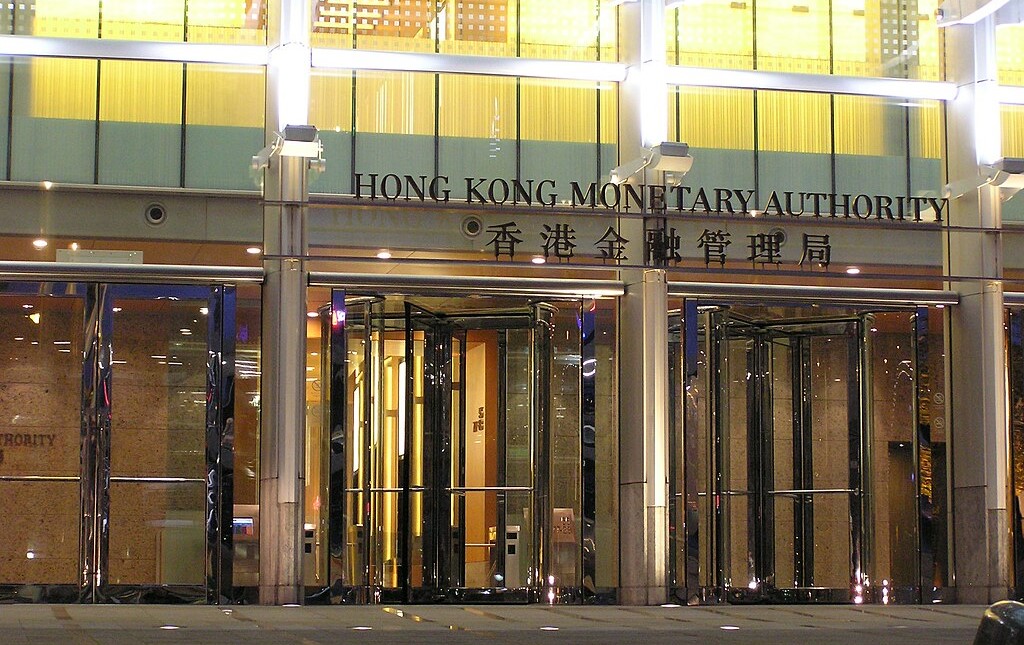
Hong Kong’s de-facto central bank, the Hong Kong Monetary Authority (HKMA), intervened in the foreign exchange market on Tuesday by purchasing US$7.8 billion (HK$60.5 billion) to prevent the Hong Kong dollar from rising beyond its fixed trading band with the U.S. dollar. The move was made to uphold the city’s currency peg, which has kept the Hong Kong dollar trading tightly between 7.75 and 7.85 per U.S. dollar since 1983.
The intervention comes amid strong demand for the Hong Kong dollar, which has been pushing its exchange rate toward the stronger end of the band. To maintain stability, the HKMA actively buys or sells U.S. dollars in the market when the exchange rate nears the limits of its designated range. This latest action reflects continued pressure on the peg due to capital inflows and a weaker U.S. dollar.
Following the operation, the HKMA announced that the aggregate balance — a key measure of liquidity in the banking system — will rise by HK$116.6 billion on May 7. A higher aggregate balance indicates an influx of liquidity into the financial system, potentially easing borrowing costs.
The HKMA’s currency board system is a cornerstone of Hong Kong’s financial stability and global investor confidence. With interest rate differentials between the U.S. and Hong Kong narrowing, the local currency’s strength has become a focus for traders and policymakers alike. Analysts are watching closely for any signs of longer-term pressure on the peg, though the HKMA has consistently reiterated its commitment to defending it.
This sizable market intervention underscores Hong Kong’s determination to maintain its monetary framework despite shifting global financial dynamics.







