


 Asian Chip Stocks Tumble as OpenAI Safety Pause Sparks AI Growth Concerns
  RBA Hikes Interest Rate to 4.60% as Inflation Risks Rise
  Gold Plunges 4% as Treasury Yields Surge and Fed Rate Hike Bets Rise
  Fed Rate Hike Threatens Housing as U.S. Growth Leans on AI, Citi Says
  Oil Prices Jump Nearly 3% as Iran Holds Firm on Hormuz Conditions
  Asian Stocks Fall as Oil Surge, Bond Yields and AI Concerns Hit Markets
  U.S. Stock Futures Fall as Iran, Oil and AI Risks Rattle Markets
  US Alcohol Ban Exposes Canada’s Internal Trade Barriers
  ECB May Stop Rate Hikes After December, Capital Economics Says
  Asian Currencies Mixed as Yen Weakens, RBA Hike Looms
  China Cuts Tariffs on U.S. Farm Goods but Excludes Soybeans
  Global Central Banks Brace for More Rate Hikes as Inflation Risks Rise
  Japan Factory Output Unexpectedly Falls 1.7% in August
  South Korea Exports Set for 16th Monthly Gain on AI Chip Demand


 Add as a preferred source on Google
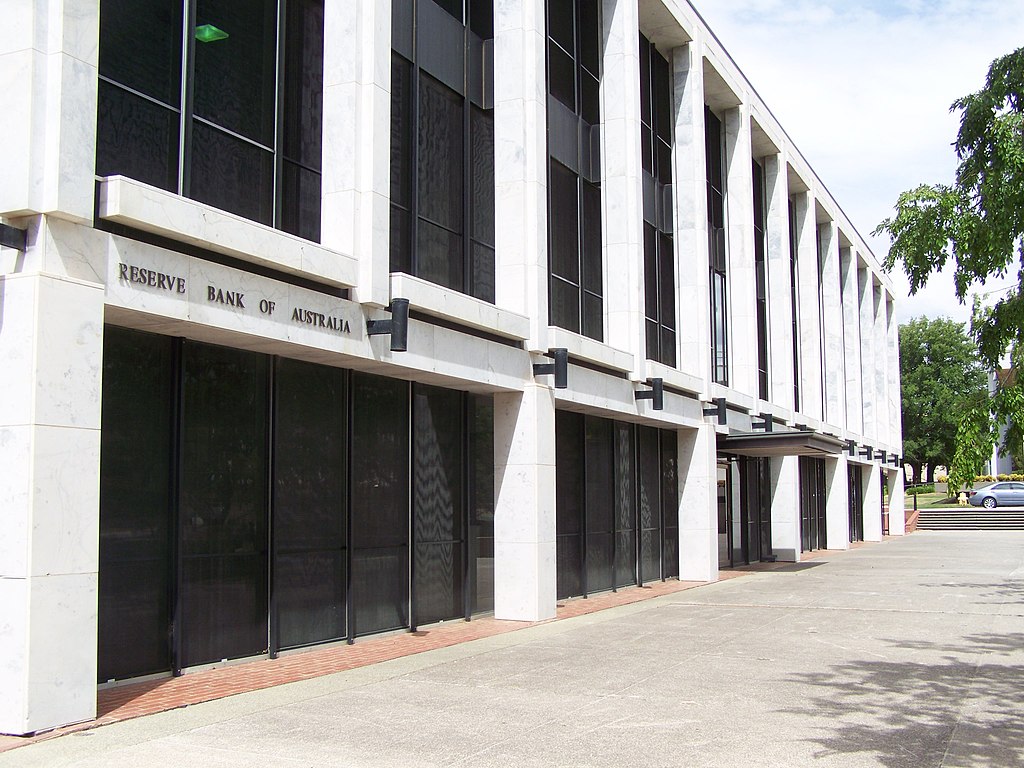
The Reserve Bank of Australia (RBA) is now expected to raise interest rates by 25 basis points at its February 3 policy meeting, according to a new forecast from ANZ, marking a shift in expectations after a brief easing cycle in 2025. If implemented, the move would lift the official cash rate to 3.85%, reflecting renewed concerns about inflation persistence and labor market tightness.
ANZ’s revised outlook is driven largely by stronger-than-expected inflation data. Australia’s fourth-quarter trimmed mean inflation rose to 3.35% year over year, exceeding the RBA’s November forecast of 3.2%. This upside surprise has reinforced concerns that underlying price pressures remain elevated, even as headline inflation shows signs of gradual moderation. The resilience of the labor market has also played a role in the forecast change, with Australia’s unemployment rate ending 2025 at 4.1%, a level that suggests limited spare capacity in the economy.
Despite the expectation of a rate hike, ANZ emphasized that the move would likely be a one-off “insurance” tightening rather than the start of a prolonged rate-hiking cycle. The bank believes the RBA will act cautiously, aiming to prevent inflation expectations from drifting higher without significantly derailing economic growth. According to ANZ, the anticipated rate increase is expected to weigh on key economic indicators, including housing auction clearance rates, consumer sentiment, and business conditions, pointing to a potential cooling in domestic demand.
ANZ’s analysis also suggests that most inflation indicators are expected to ease back into the RBA’s target range over 2026 and into 2027, even though inflation picked up during the second half of 2025. As economic activity softens following the February rate hike, the likelihood of further interest rate increases is expected to diminish, reducing the probability of additional tightening beyond the single move currently forecast.
Overall, the outlook highlights a delicate balancing act for the RBA as it seeks to contain inflation while managing risks to growth and household confidence in a slowing economic environment.







