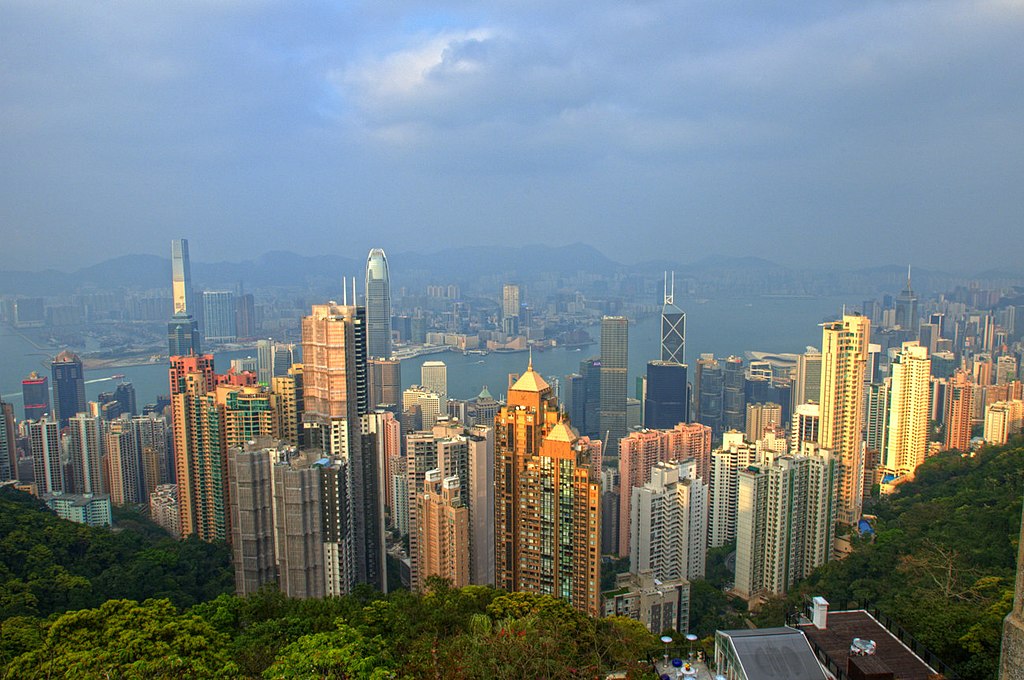
Hong Kong is bracing for a significantly low voter turnout in Sunday’s “patriots-only” Legislative Council election, as the city continues to mourn the deadliest fire it has seen in decades. The blaze, which erupted in a high-rise building in Tai Po, has claimed 159 lives and left residents shaken, angry, and questioning the timing of the election. With campaigning briefly halted after the disaster, volunteers handing out flyers across subway stations and busy streets have been largely overlooked, reflecting a somber public mood.
Many locals say political enthusiasm has evaporated. Some, like 82-year-old retiree C.K. Lau, believe the tragedy has discouraged residents from participating altogether. Others argue the election should be postponed out of respect for the victims and their families. Authorities acknowledged that the fire was fueled by substandard materials used during renovation, intensifying public frustration and distrust.
The election is widely viewed as a test of the Hong Kong government’s legitimacy as it navigates post-disaster recovery and ongoing national security enforcement. Hong Kong’s national security office has urged citizens to vote, calling participation essential for supporting reconstruction and demonstrating loyalty. At the same time, authorities have arrested several individuals accused of inciting others not to vote—an act criminalized under electoral reforms introduced in 2021.
These reforms, implemented after Beijing's national security law, restricted Legislative Council candidacy to “patriots,” effectively sidelining pro-democracy voices and reducing political diversity. As a result, many pan-democratic voters—once a majority of the electorate—have disengaged from the process. Voter registration has also fallen for the fourth consecutive year, dropping to 4.13 million.
With the current Legislative Council term ending December 31, postponing the election could create a political vacuum. Still, the subdued atmosphere and ongoing grief underscore a city struggling to reconcile governance, public confidence, and collective mourning.