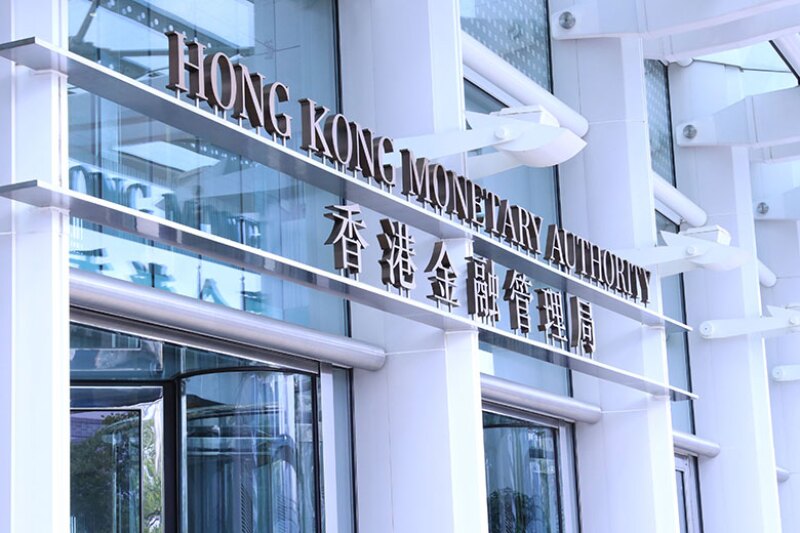
The Hong Kong Monetary Authority (HKMA) will be working with the Bank of Israel (BOI), and Bank for International Settlements Innovation Hub (BISIH) to research cybersecurity in retail central bank digital currency (CBDC).
The initiative, dubbed Project Sela, focuses on considering a two-tier retail CBDC architecture with intermediaries. They will try to make retail CBDC more resilient to cyberattacks and aim to finish the project by the end of this year.
Howard Lee, Deputy CEO of the HKMA, said that with the expertise offered by Israel, a global leader in cybersecurity, they trust that the joint project would add to the wealth of knowledge of CBDC and contribute to the common good of the international central banking community.
Project Aurum, which has been investigating the technical aspects of a two-tier CBDC structure for distribution through commercial banks and payment service providers, has led to this retail CBDC research. It looks into using two blockchains: one for central bank CBDC issuance and the other for retail transactions. As part of public consultation, the HKMA published a technical paper in October 2021.