


 Panama Declares Emergency After 7.7 Earthquake Triggers 200 Aftershocks
  Pakistan Declares Emergency in Khyber Pakhtunkhwa, Suspends Imran Khan’s PTI Government
  Mahmoud Abbas Postpones Palestinian Elections to September 2027
  Most Americans Oppose Election Betting on Prediction Markets, Poll Finds
  Elon Musk Donates $366 Million to 2026 US Midterms
  Trump Announces Russia-Ukraine Energy Ceasefire Amid U.S. Pressure on Kyiv
  Trump Announces Russia-Ukraine Energy Ceasefire as Zelenskiy Awaits Details
  Trump Denies Russia and China Are Helping Iran in U.S. Conflict
  North Korea Fires Ballistic Missiles as Tensions With South Korea Escalate
  Djibouti Migrant Boat Capsizes, Killing 139 and Leaving 84 Missing
  Kim Jong Un Showcases ICBM Ahead of Possible Trump Meeting
  US Authorities Raid Ilhan Omar’s Home Amid Immigration Fraud Probe
  Russian Strikes Kill Six in Ukraine, Including Three in Kharkiv
  Trump Sanctions International Criminal Court, Sparking EU Backlash
  Brazil Election: Lula and Bolsonaro Rally Ahead of October 25 Runoff
  US Condemns China Sanctions on Taiwan Allies Belize and Paraguay


 Add as a preferred source on Google
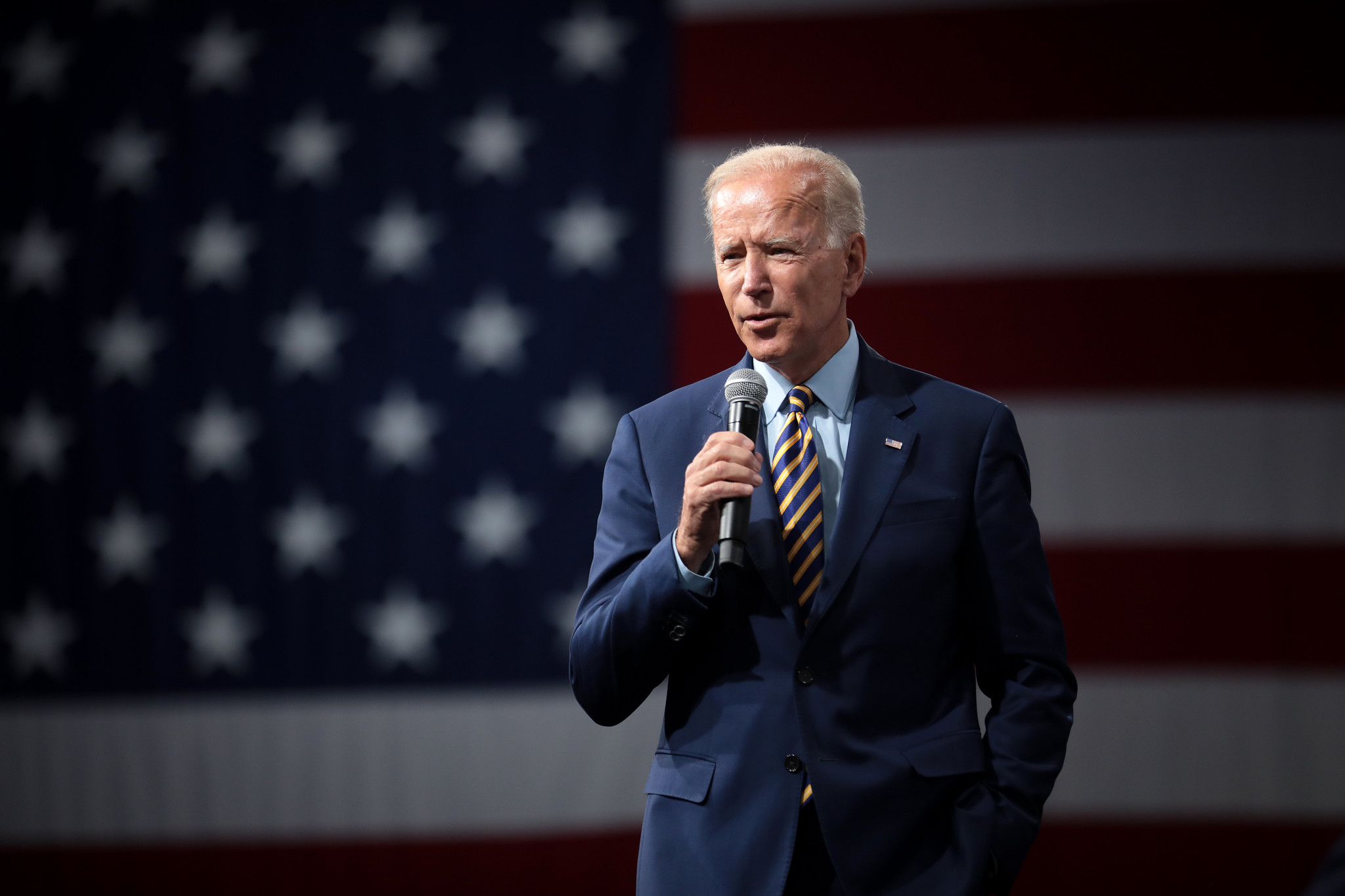
Next week, the House of Representatives will vote on President Biden's veto of the SAB 121 rule, a pivotal regulation affecting how SEC-reporting entities manage cryptocurrency custody on their balance sheets.
House Faces Critical Vote on Biden's Veto of SAB 121, Crypto Custody Rule in Balance
Although the House and Senate have already voted to repeal SAB 121, a two-thirds majority resolution from both chambers will be required to invalidate Biden's veto.
The House of Representatives may vote on President Joe Biden's controversial veto to prevent Staff Accounting Bulletin 121 next week.
According to a weekly schedule posted by House Majority Leader Steve Scalise (via Cointelegraph), SAB 121, a proposed rule that requires SEC-reporting entities custodying cryptocurrencies to record those holdings on their balance sheets, is presently on the House's "legislation that may be considered" list.
The House is constitutionally obligated to vote to overturn or sustain presidential vetoes; therefore, it must vote once more. The elections may occur on either July 9 or July 10.
Biden's Veto of SAB 121 Faces Challenge as Bipartisan Efforts Seek Overturn in House and Senate
In May, a resolution to repeal the Securities and Exchange Commission's SAB 121 rule won bipartisan support in the House (228-182 ballots) and Senate (60-38). However, Biden vetoed the resolution later that month.
Opponents contend that SAB 121 would obstruct American banks from custodying cryptocurrency exchange-traded products at scale, potentially resulting in a "concentration risk" by transferring more control to non-bank entities.
Nevertheless, to overturn Biden's veto, a two-thirds majority vote from both the House and Senate will be required.
In May, the resolution was supported by only 55.6% and 61.2% of the House and Senate members, respectively. Consequently, Democrats will require even more support this time.
“Steep hill to climb but not impossible given how bipartisan the FIT vote was,” explained Alexander Grieve, who tackles government affairs issues at cryptocurrency investment firm Paradigm.
In May, the House passed the Financial Innovation and Technology for the 21st Century Act, designed to clarify how U.S. commodities and securities regulators address cryptocurrency-related issues. The vote was 279-136.
In the interim, Biden and Republican candidate Donald Trump are intensifying their campaigning in anticipation of the November 2024 U.S. election.
Kerri Langlais, chief security officer at Bitcoin miner TeraWulf, recently informed Cointelegraph that both candidates have devoted more attention to digital asset-related issues in recent months, a "positive development" for the industry.
“Albeit to different degrees, both Biden and Trump’s original positions on crypto have shifted favorably our way in the last year. We should continue to build on that progress with our education and political efforts.”







