


 Trump Defends Russian Diesel Deal Amid US Sanctions Backlash
  Kim Jong Un Showcases ICBM Ahead of Possible Trump Meeting
  US Authorities Raid Ilhan Omar’s Home Amid Immigration Fraud Probe
  Zelenskiy Offers Russia Energy Truce Amid Trump Pressure
  Houthis Warn Saudi Airports After Deadly Riyadh Attack
  Panama Declares Emergency After 7.7 Earthquake Triggers 200 Aftershocks
  European Auto Stocks Rise as EU-China Trade Deal Targets Hybrid Imports
  North Korea Fires Ballistic Missiles Amid Rising Tensions With South Korea
  Trump Denies Russia and China Are Helping Iran in U.S. Conflict
  Trump Announces Russia-Ukraine Energy Ceasefire Amid U.S. Pressure on Kyiv
  Most Americans Oppose Election Betting on Prediction Markets, Poll Finds
  NATO Commander Warns Russia of Devastating Response to Attack
  Greenland Lawmakers Back Trump Security Deal Despite Economic Concerns
  US Condemns China Sanctions on Taiwan Allies Belize and Paraguay
  Mahmoud Abbas Postpones Palestinian Elections to September 2027
  Yandex Data Center Hit by Drone Strike as Russia-Ukraine Cyber Infrastructure Attacks Escalate


 Add as a preferred source on Google
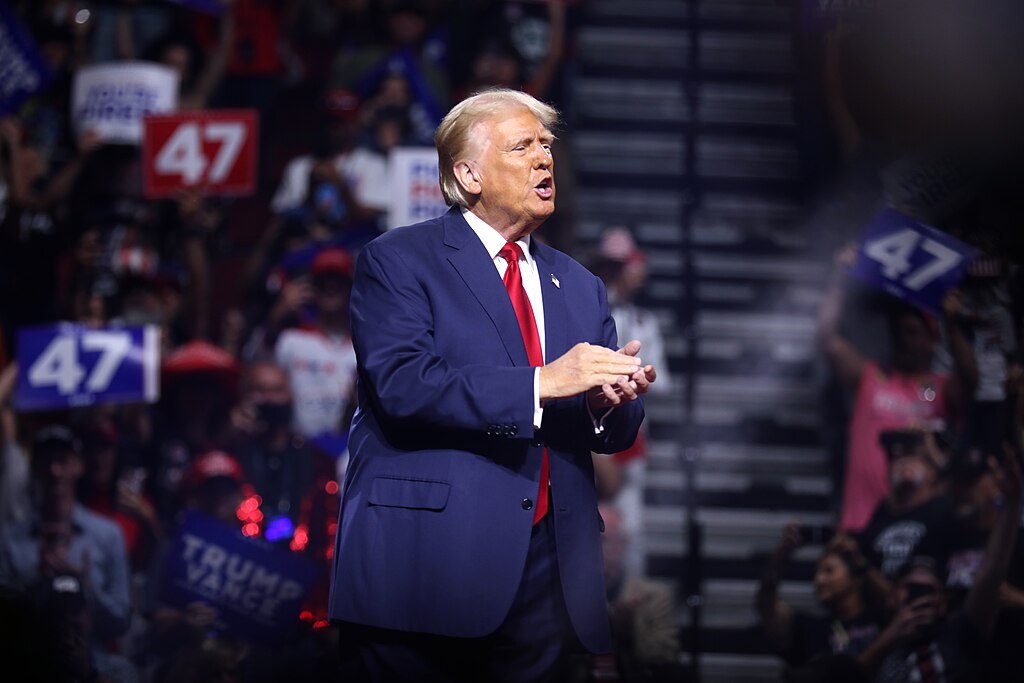
Former President Donald Trump launched a fierce attack on Vice President Kamala Harris during a rally in Ohio, accusing her of supporting radical policies, including the legalization of fentanyl. In a highly controversial statement, Trump warned that Harris’s alleged plan to legalize the dangerous opioid would have catastrophic consequences for American communities.
Trump’s Bold Accusation
"Kamala is so radical, she even wants to legalize fentanyl," Trump declared to an energized crowd. "One little drop can destroy you, and she’s ready to make it legal. It’s unbelievable!"
The former president’s remarks ignited a firestorm of reactions, as fentanyl, a synthetic opioid responsible for a significant portion of the opioid epidemic, has been widely regarded as one of the most dangerous drugs on the market. Trump’s claims were met with gasps and shouts of support from his base, who have been critical of the Biden administration’s approach to drug policy.
The Controversy Over Fentanyl
Fentanyl has become a leading cause of overdose deaths in the United States, and any discussion of its legalization is bound to spark outrage. Trump’s allegation that Harris would support such a move adds fuel to the already heated debate over drug policy and criminal justice reform. While there is no public record of Harris advocating for the legalization of fentanyl, Trump’s statement suggests he is attempting to frame her as being out of touch with the dangers of the opioid crisis.
"Legalizing fentanyl would be a disaster for this country," Trump said. "We need to be fighting the drug epidemic, not making it worse."
Harris’s Stance on Drug Policy
While Trump’s accusations are alarming, they are not based on any concrete proposals made by Harris. The Vice President has supported reforms to the criminal justice system and has advocated for the decriminalization of marijuana, but she has not expressed any support for legalizing dangerous substances like fentanyl.
Nonetheless, Trump’s remarks are part of a broader strategy to depict Harris as a far-left radical whose policies are dangerous for America. "This is what they want—open borders, drugs flowing in, and now fentanyl on your streets legally," Trump warned.
Reactions to Trump’s Remarks
As expected, Trump’s comments have sparked intense reactions from both sides of the political spectrum. Supporters see it as further proof of the Biden administration’s inability to handle the drug crisis, while critics dismiss it as a baseless attack.
"Trump is trying to scare people with misinformation," said one Democratic strategist. "Kamala Harris has never suggested legalizing fentanyl, and Trump knows it."
Despite these denials, Trump’s remarks have resonated with his base, particularly those who have been affected by the opioid crisis. His speech painted Harris as a threat to public safety and positioned him as the defender of stricter drug enforcement policies.
The Political Fallout
As the 2024 election approaches, Trump’s attacks on Harris are expected to intensify, especially on hot-button issues like drug policy. His accusation that Harris supports legalizing fentanyl may be seen as a strategic move to galvanize voters who are concerned about the opioid epidemic and the country’s drug enforcement strategies.
For now, Trump’s claim has sparked a new wave of controversy, raising questions about the role of drug policy in the upcoming election and whether such accusations will shape voters' perceptions of the candidates.







