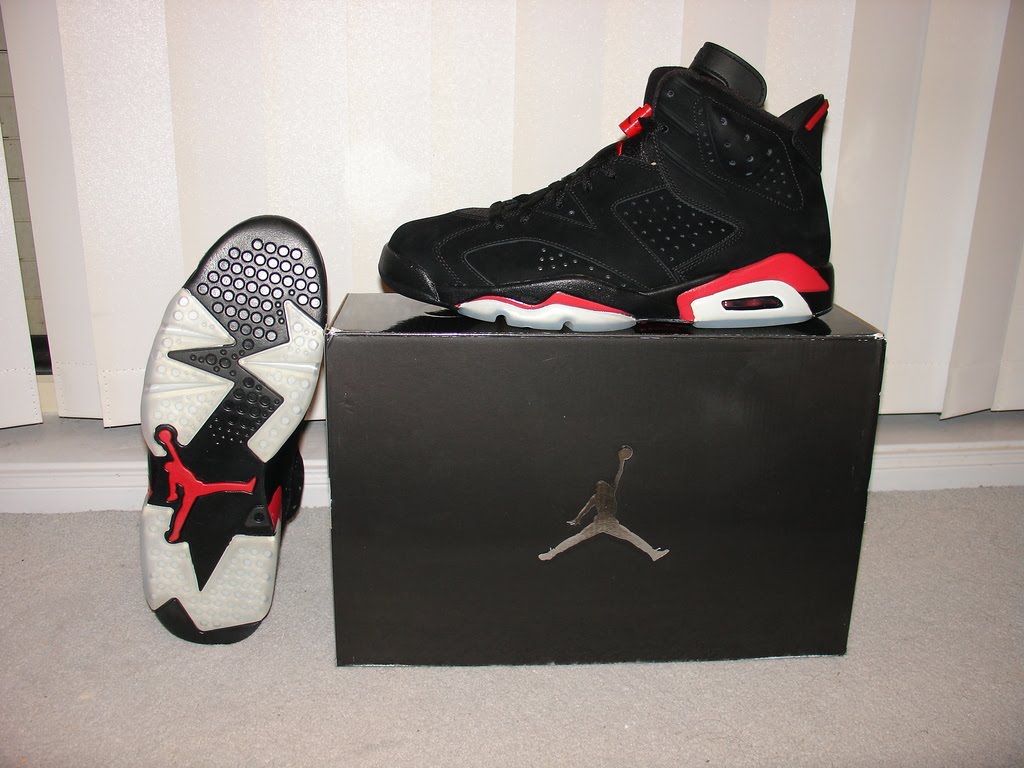
In high fashion, authenticity is important. Designer bags, clothes, shoes, accessories – these are just some of the products that consumers will pay thousands of dollars for. Social currency, after all, has always been vital to those who feel a need to maintain their reputation.
Take the Jordan Heads sneaker boutique for example. There is a pair of shoes in that place that is worth an entire house.
But even in lower-end markets, authenticity still holds sway. The problem here is that it’s going to be difficult to prove that the pair of sneakers you own is indeed an authentic classic. If it’s brand new or somewhat brand new, you can still argue your case and be in a strong position to sell it or perhaps to simply prove that what you have is what you claim it to be.
Blockchain's role
Companies employ the “shift” process in production, according to Forbes. To put it simply, this is companies' practice of running shifts in their production procedures to reach deadlines. It usually takes two shifts to reach production goals. But there is also a “third shift,” also known as “ghost shift.”
This is where an operator will create more items for a brand after completing the number of products they were contracted to produce, essentially creating unauthorized products. These items are then sold to unaccredited stores where the quality can take a hit since inspection isn't as rigorous as that in the first two shifts.
And here’s where blockchain can put an end to this. Since the technology can track the provenance of a product all the way to the seller, brands can reduce the chances of their items getting produced without their authorization. In the sneaker culture, this is quite important since there are a lot of limited-run products that brands create for sneakerheads to add to their collection.
So let’s say a brand contracts an operator to produce 5,000 sneakers. That brand will then create a digital ID for each of the sneakers in the blockchain ledger, rendering items produced after the ordered number of sneakers unauthorized since only the brand can authenticate the limited-edition footwear.
Of course, there’s still a chance for people to deceive others, asking these people to engage in a trade involving unauthorized items. But that’s a matter of devious practice and goes well beyond the supply chain procedure that blockchain governs. The important part is that accredited stores selling authentic products can assure their patrons that what they’re selling are indeed what they advertised. Trust, after all, also holds sway in the fashion world.