


 Panama Declares Emergency After 7.7 Earthquake Triggers 200 Aftershocks
  US Authorities Raid Ilhan Omar’s Home Amid Immigration Fraud Probe
  Trump Announces Russia-Ukraine Energy Ceasefire as Zelenskiy Awaits Details
  Kim Jong Un Showcases ICBM Ahead of Possible Trump Meeting
  North Korea Fires Ballistic Missiles Amid Rising Tensions With South Korea
  US Condemns China Sanctions on Taiwan Allies Belize and Paraguay
  Trump Plans White House Shake-Up of Key AI Safety Agency
  Djibouti Migrant Boat Capsizes, Killing 139 and Leaving 84 Missing
  India Voter List Protests Reach Supreme Court as Opposition Demands Election Chief's Resignation
  Trump Sanctions International Criminal Court, Sparking EU Backlash
  NATO Commander Warns Russia of Devastating Response to Attack
  Jordan Bardella Antisemitism Allegations Threaten Le Pen’s Campaign
  Trump Defends Russian Diesel Deal Amid US Sanctions Backlash
  Trump Announces Russia-Ukraine Energy Ceasefire Amid U.S. Pressure on Kyiv
  Brazil Election: Lula and Bolsonaro Rally Ahead of October 25 Runoff
  Trump Denies Russia and China Are Helping Iran in U.S. Conflict
  European Auto Stocks Rise as EU-China Trade Deal Targets Hybrid Imports


 Add as a preferred source on Google
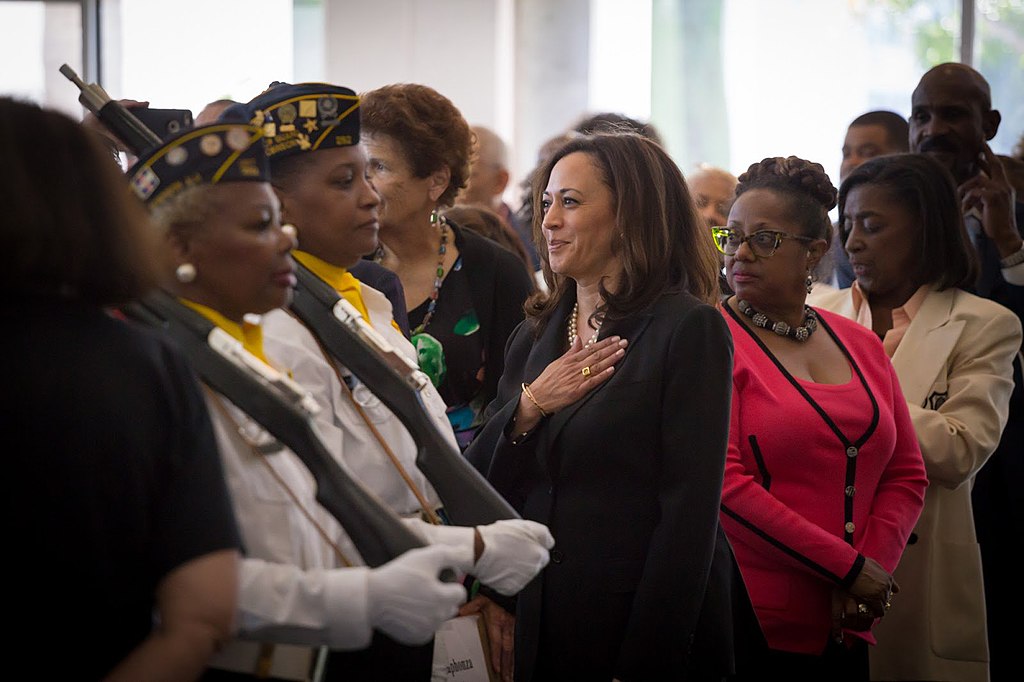
Vice President Kamala Harris cast a tie-breaking vote in the U.S. Senate to advance the $1.9 trillion American Rescue Plan. This monumental spending package, signed into law shortly after, has been identified by economists and political analysts as a significant catalyst for the inflationary spiral that has gripped the nation, leading to the highest inflation rates in over four decades.
The American Rescue Plan, passed without a single Republican vote in either the House or Senate, was intended to address the economic fallout from the COVID-19 pandemic. However, its consequences have rippled far beyond its initial intent. According to reports, prices on a wide range of goods began to climb almost immediately after the bill’s enactment. Within a month, inflation surged from 2.6% to 4.2%, a rate not seen in over a decade. By mid-2022, inflation had skyrocketed to over 8% on a monthly basis, peaking at 9.1% in June.
Data from the Bureau of Labor Statistics underscores the impact on everyday Americans. The cost of essential items has surged, with food for K-12 schools up by 65.5%, car insurance increasing by 54%, and gasoline prices climbing by 50.5%. The inflationary trend has extended to almost every sector, making it increasingly difficult for families to make ends meet. Compounding the issue, average weekly earnings have dropped by nearly 4% under the Biden-Harris administration.
In response to the inflation crisis, the Federal Reserve has raised interest rates, making it more expensive for Americans to take out loans for homes and cars. This has contributed to a housing affordability crisis, with 77% of Americans unable to afford a median-priced home. For many, the dream of homeownership is now out of reach.
Critics argue that the Biden-Harris administration’s policies, particularly the American Rescue Plan, were ill-timed and excessive. Economists from across the political spectrum, including former Obama administration officials, warned that injecting such a massive amount of money into an economy already on the path to recovery could be disastrous. Olivier Blanchard, former Chief Economist of the International Monetary Fund, and Larry Summers, former Treasury Secretary, both cautioned that the stimulus was likely to overheat the economy and trigger inflationary pressures not seen in a generation.
Adding to the economic woes, the administration’s regulatory stance on the oil and gas industry has been criticized for driving up energy costs, which in turn have contributed to the rising prices of goods and services. Critics also point to the administration’s handling of foreign policy, particularly regarding Russia’s invasion of Ukraine, as another factor that has disrupted supply chains and exacerbated inflation.
With inflation at the forefront of voter concerns heading into the next election, the Harris campaign faces significant challenges. Her support for controversial policies, including the Green New Deal and proposed price controls, has raised fears that her potential presidency could exacerbate the economic difficulties already facing American families.
As the 2024 election approaches, the Trump campaign is seizing on these issues, running ads that remind voters of the inflation crisis that they attribute to the Biden-Harris administration's policies. With the economy emerging as the top issue for voters, the administration's handling of inflation could prove to be a critical factor in the upcoming race for the White House.







