


 Syndax Stock Drops 15% After Axatilimab Trial Failure
  Coinbase CEO Backs SEC Accredited Investor Reform
  FAA Warns US Airlines Over Saudi Arabia Flight Risks
  Morgan Stanley Predicts $10 Trillion RWA Market by 2030
  Samsung, SK Hynix Shares Fall as China's CXMT Advances DRAM Technology
  South Korea Blocks 27 Crypto Exchange Websites in Regulatory Crackdown
  Ethereum Foundation-Linked Wallets Move $11.13M in ETH to Kraken
  Samsung, SK Hynix Shares Plunge as China Chip Competition Grows
  Binance to Shut Down Crypto Mining Pool Services on November 10
  Epic Games Delays Disney Shooter, Shifts to AI-First Development
  Nvidia’s China AI Chip Market Share Falls to 34% as Huawei Gains Ground
  Arthur Hayes Announces FLOP Testnet Launch Within Weeks
  European Auto Stocks Rise as EU-China Trade Deal Targets Hybrid Imports
  Nasdaq Faces Pullback to 26,225 Despite Bullish Outlook, UBS Says
  Meta Launches Muse Wonder AI Models, Shares Rise 3.7%
  PepsiCo Slashes Poppi Earnout Valuation as Growth Slows
  Airbus Tests Valkyrie Combat Drone in Europe for Eurofighter Integration


 Add as a preferred source on Google
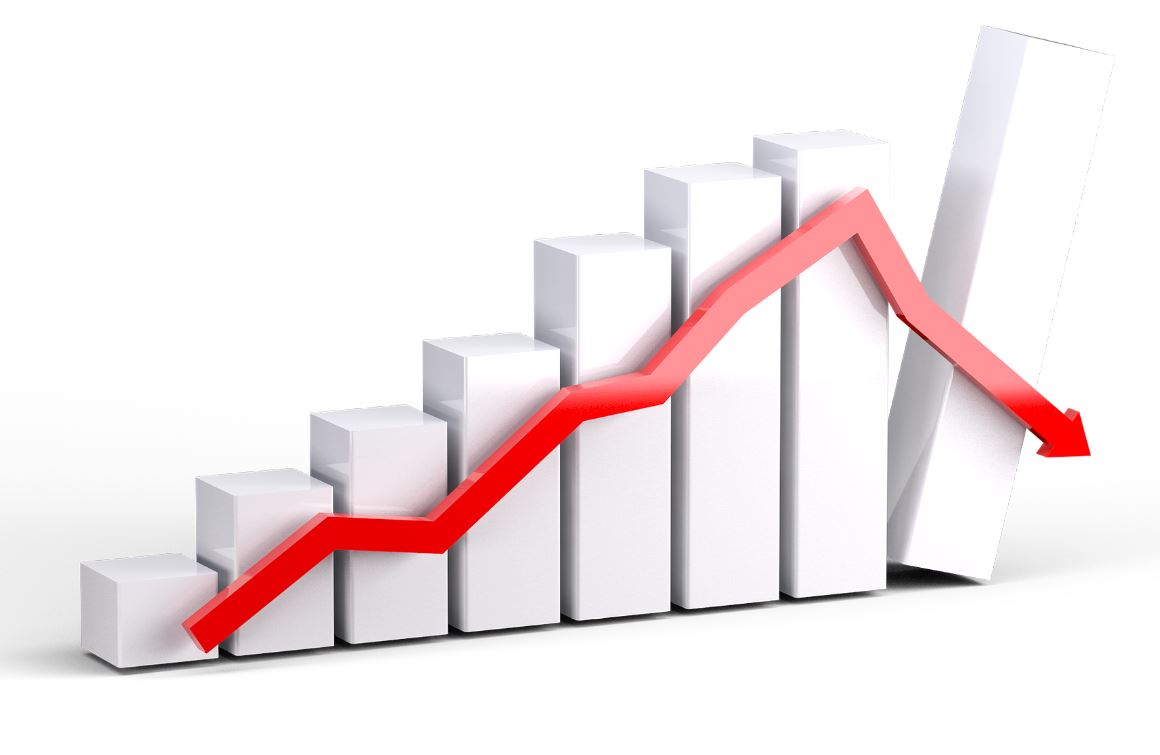
The economy is firing on cylinders and this has been good news for seniors who took a big hit in the last recession. However, one thing to know about the economy is that it never goes up forever and increasingly economists have become concerned that the next recession is just around the corner.
Those in or nearing retirement should take notice as a recession at the wrong time could make a massive dent in their plans. The reason is simple a recession could either impact their earnings, or ability to earn, in the years leading up to retirement or it could lower the value of the assets in their retirement portfolio.
But this doesn’t mean there is nothing you can do and here are some tips to help seniors prepare for the coming recession.
Cash is King
Sure, the stock market is going gangbusters and the value of your portfolio is going up every day. For example, the S&P 500 has increased by nearly 70 percent over the last five years. For those with a sizeable nest egg, this means big money. But what goes up must come down and this probably means that the time is coming to cash in your chips.
With this in mind, seniors should be thinking about ways they can de-risk their retirement portfolio and this means ensuring at least 15 to 20 percent of their portfolio is in cash. These funds can either be used as protection against potential losses in other areas of your portfolio or for additional investments if needed.
Granted, interest rates for savings accounts are not great right now and this can make it difficult for some investment advisors to justify keeping so much money in cash. But just about every market watcher agrees we are in the later stages of the longest bull market in history and this is something which won’t last forever. As such, remember that when all else fails, cash is king.
Get Your House in Order
Unlike previous generations, today’s retirees are likely to still have a mortgage payment to contend with after they finish working. In some ways, this is the residual effect of the home refinance boom before the financial crisis. The effect is that many retirees still owe money on the homes they live in.
But this doesn’t mean that you have to choose between continuing to pay your mortgage or lose your home. In fact, one option which seniors can take advantage of is the reverse mortgage. While this option isn’t for everyone, it can be a useful way to essentially freeze your mortgage payment if you continue to live in your house. If you want to learn more about this option, then check out this link - https://reverse.mortgage/.
Cut Back on Debt
Let’s face it, it is hard to live in the U.S. today without access to credit cards and other forms of consumer credit. However, for seniors living in debt can be an albatross that leads to further problems. The reason is simple as seniors are basically living on a fixed income. As such, not having enough money to meet expenses, or being unable to control one’s expenses.
Not only can this lead to a sense of insecurity but living in debt can make many seniors feel alienated from their friends and loved ones. So, if you do find yourself flirting with mounting debt, now is the time to take advantage of the booming stock market and pay down your debt before it is too late.
Have a Plan B
For those retirees fortunate enough to have a pension, the next recession could be the straw that breaks the camel’s back. While this will have nothing to do with what you have done, the reality that we are living longer is starting to put tremendous pressure on pension funds throughout the country.
As such, you will need to have a Plan B just in case something existential were to happen to your pension. Sure, this is something you don’t want to talk about, but the odds are the many pensions will have a hard time making ends in the coming decade.
These looming pension defaults are set to upend the retirement plans of millions of Americans and if you think it won’t happen, then think again. Even during the recent economic boom, the Treasury Department has been busy tracking the health of pension funds across the country.
What’s the lesson, have a Plan B just in case something were to happen to your pension. This might include saving some of the money you are getting from your pension or looking at other parts of your retirement plan to make sure they will be able to cushion the blow.
This article does not necessarily reflect the opinions of the editors or management of EconoTimes







