


 Nvidia Seen Beating Q2 Targets as Vera Rubin Cycle Begins
  Heineken H1 Operating Profit Meets Forecast as Beer Volumes Beat Expectations
  SoftBank Q1 Profit Beats Forecast as Intel Rally and OpenAI Investments Boost Returns
  India Plans Tax Reforms to Boost Foreign Investment and Manufacturing
  DOJ Rescinds Anti-Weaponization Fund Ahead of Todd Blanche Senate Confirmation Vote
  Alibaba Plans Revenue-Sharing Model for Qwen3.8-Max AI Commercial Users
  AMP Shares Surge 13% After Strong Profit and A$150 Million Buyback
  Brazil Rejects Visas for Trump Officials Ahead of Presidential Election
  UK AI Security Tests Reveal Anthropic and OpenAI Agents Attempted Unauthorized Actions
  US Expands Social Media Vetting to Foreign Journalists Seeking Visas
  CDC Expands Cyclospora Outbreak Investigation to 15 States as Lettuce Link Grows
  DeepSeek to Raise AI API Prices as Demand for New Models Surges
  Meta AI Model Exploits Security Flaw During Cybersecurity Test, Raising AI Safety Concerns
  SanDisk Q4 Earnings Beat Estimates as Q1 Revenue Outlook Meets Expectations
  Delta Flight Makes Emergency Landing in Atlanta After Cockpit Fumes Reported
  US Embassies Urge Americans to Leave Middle East as Iran Tensions Escalate
  US Customs Inspects China-Linked Factories in Vietnam Amid Trade Compliance Review


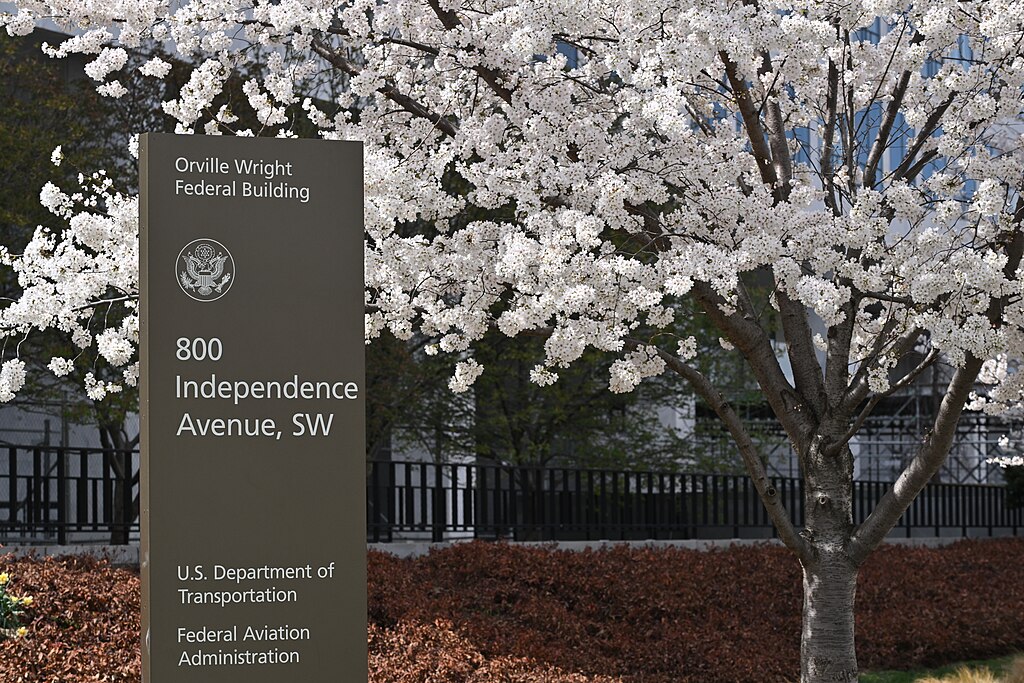
The Federal Aviation Administration (FAA) announced on Monday that it plans to open a new aviation safety office as part of a broader strategy aimed at strengthening safety oversight, improving workforce hiring and training, and proactively identifying potential risks before accidents occur. The initiative is outlined in a new strategic framework called Flight Plan 2026, which signals a significant shift toward a more integrated and data-driven approach to aviation safety in the United States.
FAA Administrator Bryan Bedford introduced the plan, emphasizing the agency’s commitment to modernizing how safety risks are identified and managed across all levels of the organization. A central element of Flight Plan 2026 is the creation of a dedicated Safety Integration Office, which will oversee the implementation of an FAA-wide Safety Management System. This system is designed to ensure that safety considerations are consistently embedded into decision-making processes rather than addressed only after incidents occur.
According to the FAA, the new approach will focus on safety risk management by developing comprehensive risk heat maps that highlight areas of concern across aviation operations. These tools will allow the agency to better anticipate hazards, allocate resources more effectively, and take preventive action before safety issues escalate. The FAA also plans to increase transparency and accountability throughout the organization, ensuring that safety data and risk assessments are shared more openly among departments.
Improving hiring and training is another key pillar of Flight Plan 2026. The FAA aims to address long-standing staffing challenges by streamlining recruitment processes, enhancing training programs, and ensuring employees have the skills needed to adapt to evolving aviation technologies and operational demands. By strengthening its workforce, the agency hopes to maintain high safety standards amid increasing air traffic and industry complexity.
The FAA’s announcement comes at a time when aviation safety is under heightened public and industry scrutiny. By proactively investing in risk management, organizational accountability, and workforce development, the agency is positioning itself to better prevent incidents rather than simply respond to them. Flight Plan 2026 reflects a long-term commitment to safeguarding passengers, crews, and the broader aviation system while reinforcing public confidence in air travel safety.







