


 North Korea Fires Ballistic Missiles as Tensions With South Korea Escalate
  Russian Strikes Kill Six in Ukraine, Including Three in Kharkiv
  US Judge Blocks Trump Administration’s Taxpayer-Funded Political Ads
  RFK Jr. Launches Nationwide Vaccine Safety Review
  Trump Sanctions International Criminal Court, Sparking EU Backlash
  UK Finance Minister Healey Calls for Fiscal Discipline Amid Global Risks
  Mahmoud Abbas Postpones Palestinian Elections to September 2027
  Brazil Election: Lula and Bolsonaro Rally Ahead of October 25 Runoff
  Trump Announces Russia-Ukraine Energy Ceasefire as Zelenskiy Awaits Details
  Houthis Warn Saudi Airports After Deadly Riyadh Attack
  US Charges Maduro and Wife With Torture Conspiracy
  Trump Calls for Zelenskyy Replacement Amid Russian Diesel Deal
  Zelenskiy Offers Russia Energy Truce Amid Trump Pressure
  Djibouti Migrant Boat Capsizes, Killing 139 and Leaving 84 Missing
  Trump Secures Russian Diesel Deal as US Fuel Prices Surge
  JD Vance Questions Pentagon Plan to Livestream Fort Hood Shooter’s Execution
  Venezuela’s Machado Calls for Elections by July 2027


 Add as a preferred source on Google
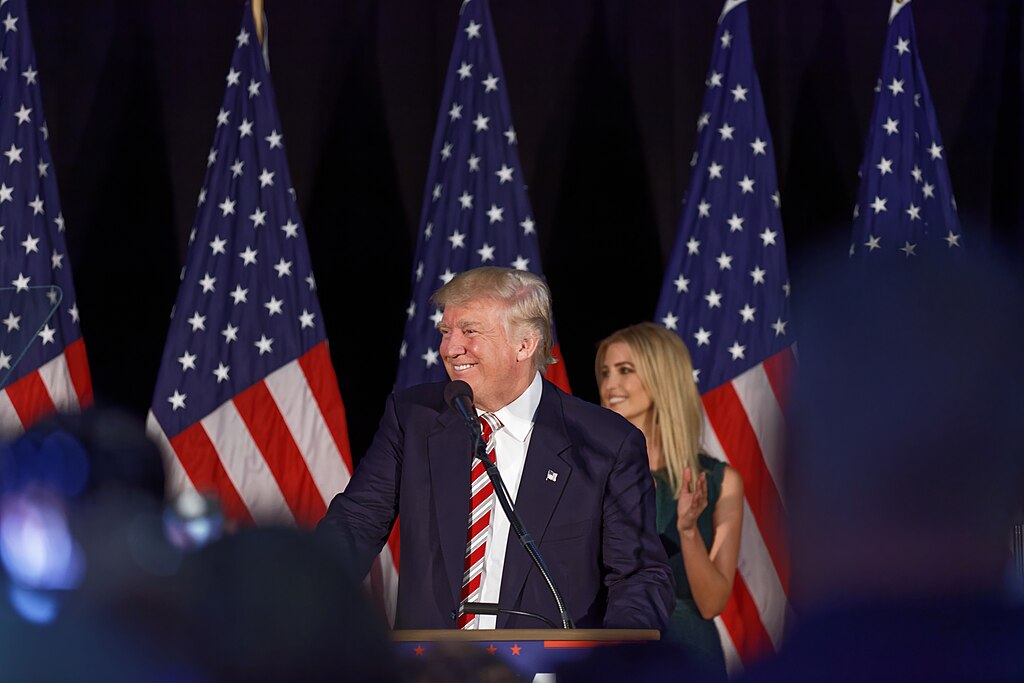
President Donald Trump’s administration is making waves in the education sector, unveiling a series of sweeping reforms aimed at reshaping American schools. In 2025, education policy has become one of the most hotly debated issues, with new initiatives designed to overhaul curriculum standards, reallocate federal funding, and restructure key aspects of public education.
The Trump administration’s approach, championed by Education Secretary Betsy DeVos, places a significant emphasis on school choice, patriotic curriculum content, and reducing what officials have called “unnecessary federal intervention.” These reforms are being implemented in public schools nationwide, but not without backlash from educators, parents, and state officials who fear the changes could undermine the public education system.
Patriotic Curriculum Sparks National Debate
One of the most controversial aspects of Trump’s education reforms is the implementation of what has been called a “Patriotic Curriculum.” This policy mandates that schools emphasize American exceptionalism, founding principles, and civic responsibility in history and social studies classes. Critics argue that the curriculum revision may sideline critical perspectives on historical events, such as systemic racism and the struggles of marginalized communities, in favor of a more sanitized version of history.
Supporters, however, claim the curriculum promotes unity and instills a sense of pride among students. “These changes aim to prepare students to become productive citizens who respect and understand our nation’s heritage,” said a senior administration official.
Expansion of School Choice Initiatives
Trump’s administration is doubling down on its commitment to school choice, allocating billions of dollars in federal funding toward charter schools, private school vouchers, and homeschooling programs. The initiative gives parents more flexibility in deciding where their children should attend school, but critics warn that the policy could drain resources from already struggling public schools.
“The redistribution of federal funds risks creating a two-tier education system where public schools are left behind,” said a representative from the National Education Association.
Federal Control Versus Local Authority
In another bold move, Trump’s administration has sought to reduce federal oversight of public schools, transferring greater authority to state and local governments. While proponents argue that this decentralization allows for more tailored and effective education strategies, detractors believe it could lead to disparities in education quality across states, especially in underfunded areas.
The administration’s push to streamline federal education programs has also sparked concerns over job losses within federal agencies and reduced resources for special education and underprivileged students.
Critics Sound the Alarm
Education reform advocates have raised concerns over the potential long-term consequences of Trump’s policies, claiming they could exacerbate inequality and stifle critical thinking. “By prioritizing political agendas over evidence-based education practices, we risk failing the next generation,” said an education policy analyst.
Amidst these debates, one thing remains clear: Trump’s administration is determined to reshape American education as a centerpiece of his second term. Whether these changes will foster innovation and growth or create deeper divides remains a contentious question.
As the nation watches these reforms unfold, both critics and supporters agree that Trump’s education agenda will leave an indelible mark on the American education system for decades to come.







