


 JD Vance Questions Pentagon Plan to Livestream Fort Hood Shooter’s Execution
  Trump Announces Russia-Ukraine Energy Ceasefire as Zelenskiy Awaits Details
  Russian Strikes Kill Six in Ukraine, Including Three in Kharkiv
  UK Finance Minister Healey Calls for Fiscal Discipline Amid Global Risks
  Trump Calls for Zelenskyy Replacement Amid Russian Diesel Deal
  Trump Cancels Alabama Football Trip as Hurricane Isaias Approaches
  North Korea Fires Ballistic Missiles as Tensions With South Korea Escalate
  US Charges Maduro and Wife With Torture Conspiracy
  US Judge Blocks Trump Administration’s Taxpayer-Funded Political Ads
  Zelenskiy Offers Russia Energy Truce Amid Trump Pressure
  Houthis Warn Saudi Airports After Deadly Riyadh Attack
  RFK Jr. Launches Nationwide Vaccine Safety Review
  Ripple Chairman Chris Larsen Donates $22.5 Million Ahead of US Midterms
  Trump Buys Up to $25M in Meta Stock, Invests in SpaceX Debt
  Trump Announces Russia-Ukraine Energy Ceasefire Amid U.S. Pressure on Kyiv
  Flavio Bolsonaro Leads Lula 49%-45% in Brazil Runoff Poll
  US, EU Push for Action Against Asia’s Excess Factory Capacity


 Add as a preferred source on Google
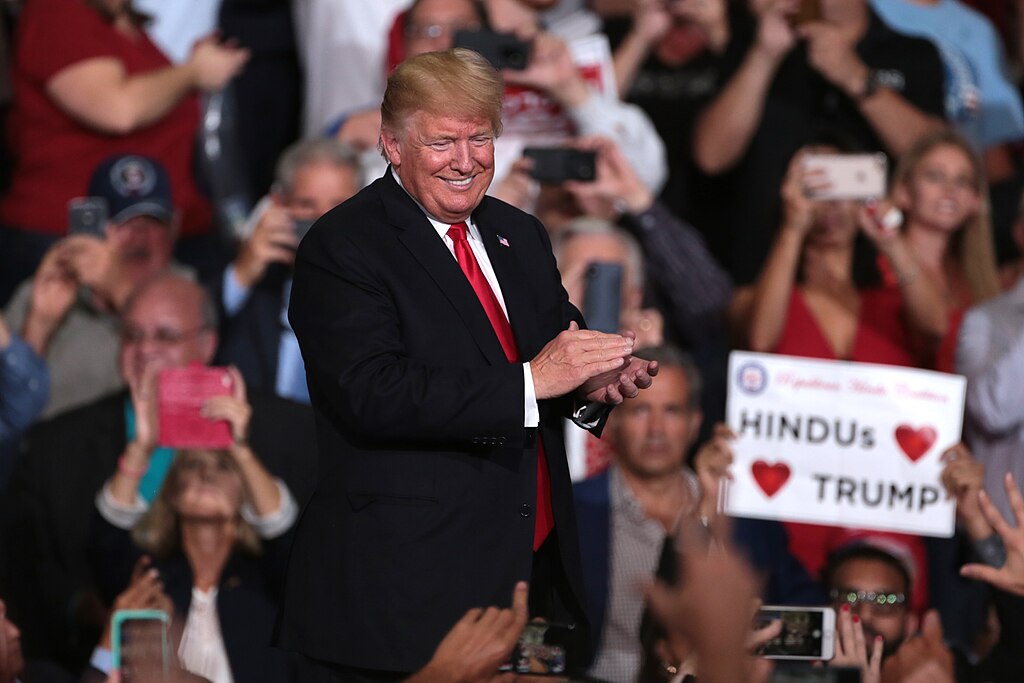
As President Donald Trump prepares to commence his second term in January 2025, his administration is poised to implement a series of policies that could significantly reshape the technology industry. These initiatives encompass regulatory reforms, antitrust actions, and strategic appointments, reflecting a comprehensive approach to addressing longstanding concerns about Big Tech's influence and operations.
Antitrust Measures and Regulatory Reforms
A central component of Trump's tech policy is the intensification of antitrust scrutiny on major technology firms. The administration has signaled intentions to dismantle monopolistic structures within the industry, aiming to foster competition and innovation. This approach aligns with the perspectives of key appointees who have been vocal critics of Big Tech's market dominance.
Strategic Appointments Reflecting a Hardline Stance
The selection of individuals for pivotal roles underscores the administration's commitment to stringent oversight of the tech sector:
-
Attorney General Nominee: Rep. Matt Gaetz
Known for his critical views on tech companies, Gaetz has advocated for robust antitrust actions and has expressed concerns over free speech issues related to social media platforms. -
Federal Communications Commission (FCC) Chair Nominee: Brendan Carr
Carr has a history of challenging major tech firms and has called for the elimination of Section 230 protections, which shield online platforms from liability for user-generated content. -
Department of Government Efficiency Head: Elon Musk
The appointment of Musk, a prominent entrepreneur, suggests a focus on reducing bureaucratic hurdles and promoting innovation within the tech industry.
Project 2025: A Blueprint for Tech Policy
The administration's tech strategy is influenced by "Project 2025," a policy document developed by conservative think tanks outlining a roadmap for governance. The project advocates for expanding presidential powers, deregulating industries, and implementing measures that could significantly impact media and technology policies. Notably, several of Trump's appointees contributed to this document, indicating its potential influence on forthcoming policies.
Implications for Big Tech and the Broader Industry
The proposed policies have elicited varied reactions within the tech community:
-
Increased Oversight: Companies may face heightened scrutiny regarding antitrust practices, potentially leading to structural changes and increased competition.
-
Regulatory Uncertainty: The potential repeal of Section 230 could alter the operational landscape for social media platforms, affecting content moderation and liability.
-
Innovation Dynamics: While deregulation efforts aim to spur innovation, concerns persist about the balance between fostering technological advancement and ensuring consumer protection.
Conclusion
President Trump's forthcoming tech policies represent a concerted effort to recalibrate the relationship between the government and the technology sector. By implementing stringent regulatory measures and appointing officials with critical perspectives on Big Tech, the administration seeks to address issues of market dominance and accountability. The unfolding developments will be closely monitored by industry stakeholders, policymakers, and consumers, as they hold the potential to redefine the technological landscape in the United States.







