


 US Supreme Court Denies Release of Anti-ICE Activist Kyle Wagner
  Trump Warns Houthis Over Attacks, Considers Erdogan Intervention
  FBI Denies Report of Kash Patel’s Russia Visit
  Trump Denies Russia and China Are Helping Iran in U.S. Conflict
  Elon Musk Donates $366 Million to 2026 US Midterms
  UN Urges Talks on Lebanon Peacekeeping Mission Extension
  Trump Announces Massive Oil and Mineral Exploration Plans in Greenland
  Zelenskiy Says Ukraine Received No Warning Before Russian Missile Attack
  Zelenskiy Seeks New US Talks to Revive Ukraine-Russia Peace Negotiations
  IMF Warns US Debt Crisis Needs Fiscal Action, Urges China to Boost Consumption
  US Condemns China Sanctions on Taiwan Allies Belize and Paraguay
  MI5 Warns of Rising Iran, Russia Threats and AI Bioweapon Risks
  SpaceX Starlink Restrictions Disrupt Ukraine Military Operations
  Jordan Bardella Antisemitism Allegations Threaten Le Pen’s Campaign
  US Justice Department Drops Prosecution of Ex-CIA Analyst Sue Mi Terry
  China Resumes US Soybean Purchases After Trump-Xi Summit


 Add as a preferred source on Google
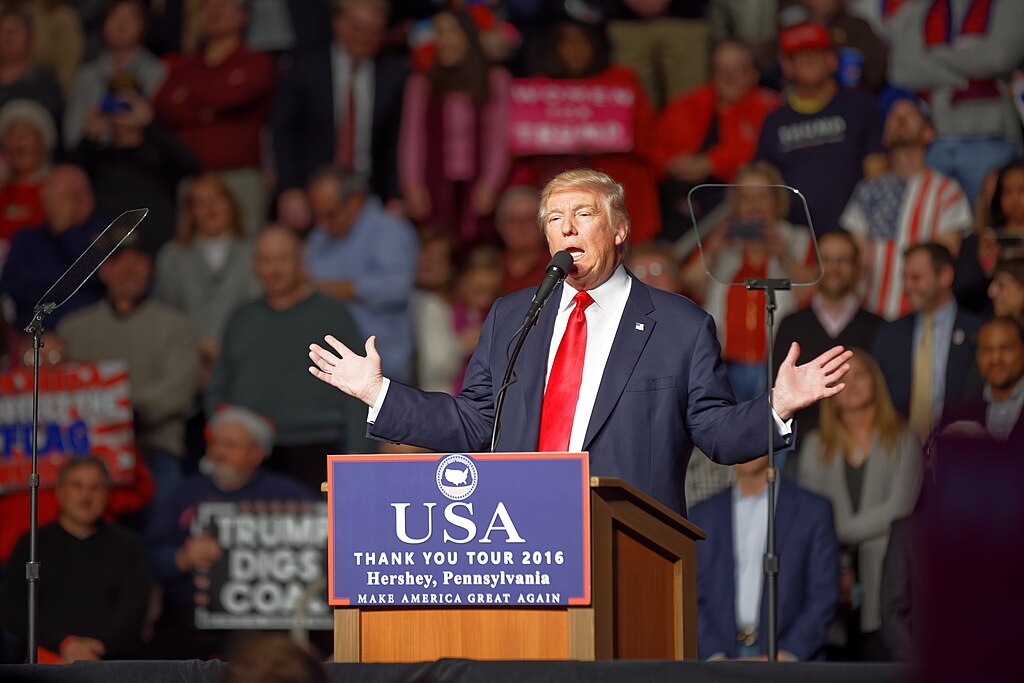
As President-elect Donald Trump prepares to assume office in January 2025, his proposed education policies have sparked significant debate, particularly regarding their potential impact on college tuition. Central to his agenda is the possible dismantling of the U.S. Department of Education, a move that could profoundly affect higher education funding and administration.
Proposed Elimination of the Department of Education
Trump has repeatedly called for the dissolution of the Department of Education, aiming to return authority over education to the states. This proposal aligns with Project 2025, a conservative blueprint that outlines plans to dismantle the department and redistribute its functions. However, such a move would require congressional approval and faces significant legal and logistical challenges.
Potential Impact on Federal Student Aid
The Department of Education currently manages federal student aid programs, including Pell Grants and subsidized loans. Eliminating the department could disrupt these programs, potentially leading to reduced funding and increased tuition costs as institutions seek alternative revenue sources. Additionally, the administration's plans may involve reallocating federal education funds, which could further strain resources for students relying on financial aid.
Reactions from the Public
The proposed policies have elicited varied responses on social media:
-
@EduPolicyWatch: "Dismantling the Department of Education could lead to chaos in federal student aid distribution."
-
@CollegeStudent123: "Worried about how these changes will affect my tuition and loan repayment options."
-
@StateEduOfficial: "States may not be prepared to handle the sudden shift in education oversight."
-
@HigherEdAdvocate: "This could widen the gap in educational equity across different states."
-
@FiscalConservative: "Reducing federal oversight could lead to more efficient use of education funds."
-
@ParentOfStudent: "Concerned about the future of my child's education under these proposed changes."
Looking Forward
As the Trump administration's education policies take shape, stakeholders in higher education are closely monitoring potential changes. The proposed elimination of the Department of Education and restructuring of federal student aid programs could have far-reaching implications for college affordability and access. Engaging in informed discussions and advocacy will be crucial as these policies develop.







