


 Gold Steady as Softer U.S. Inflation Eases Fed Rate Hike Bets
  Yen in Focus as BOJ, Fed Rate Hikes Reshape Currency Markets
  RBA Says ASX Still Falls Short on Governance and Risk Controls
  Fed’s Hammack Says Bond Yield Surge Is Not Driven by Inflation Fears
  South Korea Exports Set for 16th Monthly Gain on AI Chip Demand
  Fed’s Williams Signals One More Rate Hike Before Year-End
  Japanese Yen Retreats as Dollar Rises Ahead of Fed, BOJ Rate Decisions
  RBA Hikes Interest Rate to 4.60% as Inflation Risks Rise
  Nasdaq Futures Jump as Micron Earnings Boost AI Trade
  Asian Stocks Fall as Bond Yields and Oil Prices Surge
  Asian Stocks Rise as Bond Yields Ease Ahead of U.S. Inflation Data
  BOJ Signals Faster Rate Hikes as Inflation Risks Grow
  Gold Holds Near Seven-Week Low as Fed Rate Hike Bets Rise
  Japan Factory Output Unexpectedly Falls 1.7% in August


 Add as a preferred source on Google
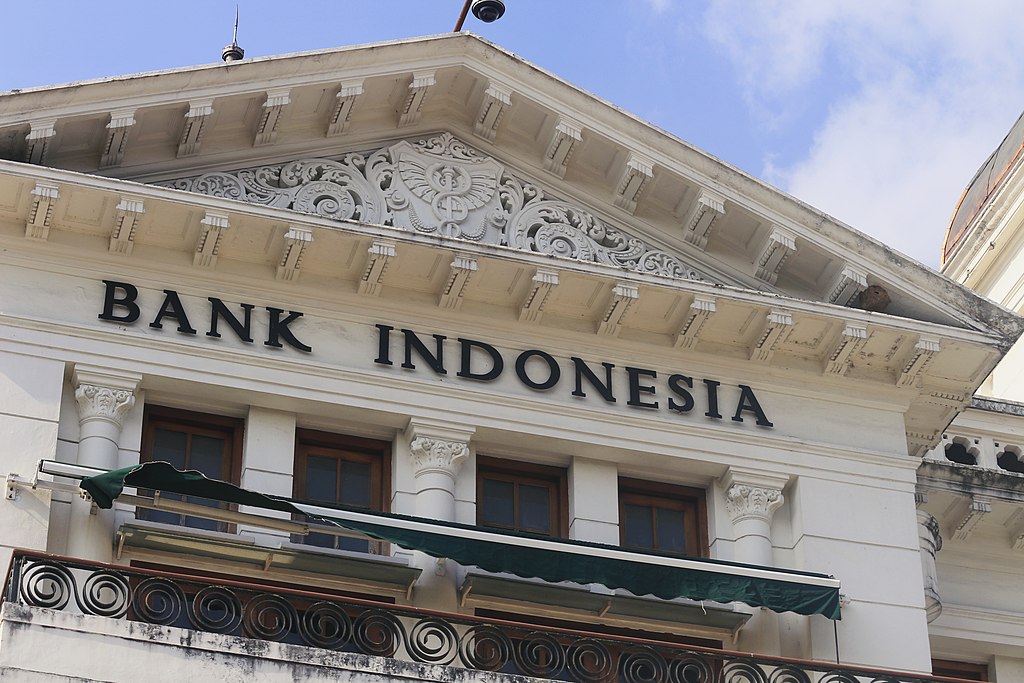
Bank Indonesia is set to keep its benchmark interest rate unchanged at 5.75% on Wednesday, according to a Reuters poll of 26 economists, as the central bank aims to stabilize the rupiah amid mounting pressure from U.S. trade policies and domestic fiscal concerns.
The Indonesian rupiah has depreciated over 4% this year, nearing a record low. Economists widely agree that the central bank will refrain from any rate cuts in the near term to avoid further currency weakening. The rupiah’s initial slide was triggered by investor concerns over President Prabowo Subianto’s fiscal spending plans, and more recently by a 32% U.S. tariff on Indonesian imports, currently paused for 90 days.
Indonesia's economy, Southeast Asia’s largest, has maintained consistent 5% growth in recent years. However, Finance Minister Sri Mulyani Indrawati warned that U.S. tariffs could reduce growth by 0.3 to 0.5 percentage points. The country is in active negotiations with Washington to ease trade tensions.
Supporting this cautious stance, the overnight deposit and lending facility rates are also expected to remain steady at 5.00% and 6.50%, respectively. Barclays’ senior regional economist Brian Tan noted the surge in the USD/IDR exchange rate post-Eid, making it unlikely for Bank Indonesia to cut rates this month.
Looking ahead, economists predict a 25 basis point rate cut to 5.50% in Q2 and another to 5.25% in Q3, where it is expected to remain through 2025. However, Moody’s Analytics warned the timing of such moves remains uncertain due to economic headwinds.
The poll also forecasts average inflation at 2.1% this year, rising to 2.7% in 2026, with GDP growth projected at 4.8% in 2025 and 4.9% in 2026.







