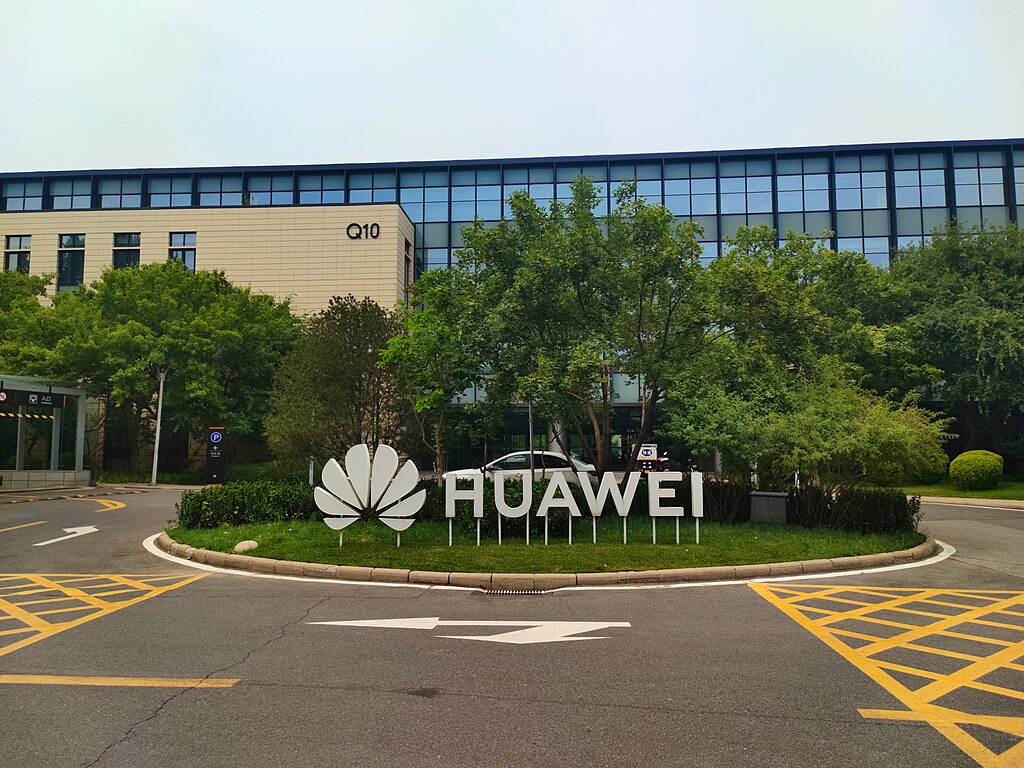
Hong Kong-listed semiconductor and artificial intelligence stocks surged on Tuesday after Huawei Technologies revealed a major breakthrough in chip design, fueling optimism about China’s push to reduce dependence on U.S. technology and strengthen its domestic semiconductor industry.
Trading resumed in Hong Kong after Monday’s public holiday, allowing investors to react to strong gains previously seen in mainland Chinese technology shares. The market rally reflected growing confidence in China’s AI and chip sectors as Beijing continues investing heavily in technological self-sufficiency amid rising U.S. export restrictions.
Semiconductor Manufacturing International Corp (SMIC) shares climbed more than 10%, while Hua Hong Semiconductor soared nearly 13%. Technology-related stocks also posted strong gains, with ASMPT advancing 11% and Lenovo Group jumping 16% during Tuesday trading.
Investor enthusiasm intensified after Huawei introduced its new “LogicFolding” chip architecture along with the company’s “Tau Scaling Law,” which aims to improve the production efficiency and performance of advanced semiconductor chips. Huawei confirmed that the technology will first appear in future Kirin smartphone processors later this year before expanding into its Ascend AI chips.
The company’s Ascend processors are increasingly viewed as China’s leading domestic alternative to Nvidia products, especially as U.S. export controls continue limiting Chinese access to advanced American semiconductor technology. Huawei’s latest innovation is seen as a significant step toward boosting China’s independent AI computing capabilities and expanding the country’s semiconductor ecosystem.
Analysts believe the announcement could accelerate investment in Chinese chipmakers, AI developers, and related technology companies. The latest rally highlights growing market confidence that Chinese firms can continue innovating despite geopolitical tensions and restrictions imposed by the United States.
The strong performance across Hong Kong technology shares underscores investor expectations that China’s semiconductor industry will remain a key growth sector in 2026 and beyond.