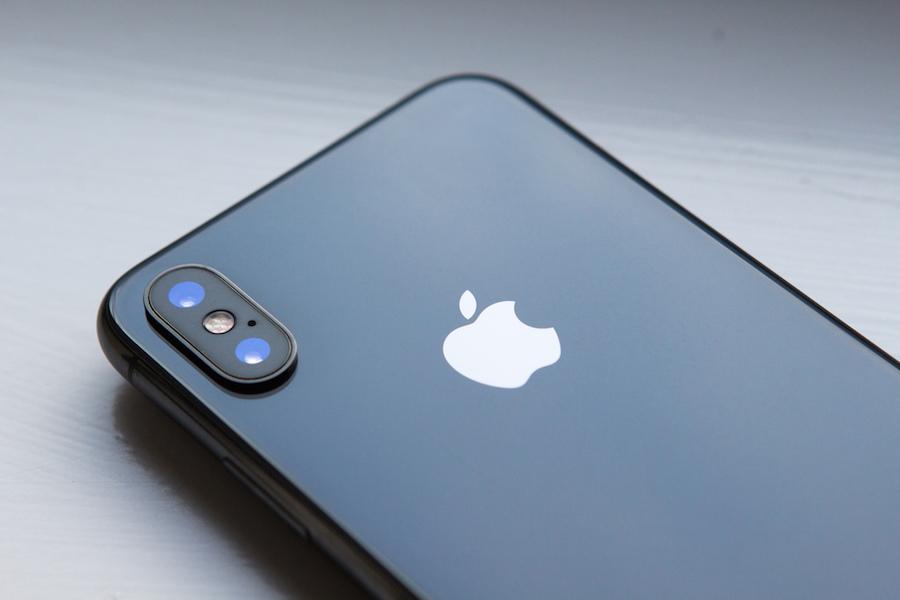
The U.S. International Trade Commission (ITC) filed a recommendation on Friday to find Apple guilty of patent infringement involving a battery technology owned by Qualcomm. If the ITC’s recommendation is followed, this could lead to a ban on iPhones containing Intel chips. It would then provide Qualcomm with leverage with which to pressure Apple to surrender in their legal battle.
A trial held in Washington beginning last Friday saw some of ITC’s staff saying that Apple did violate one of Qualcomm’s battery technology patents, Reuters reports. As a third party in the case, the views of ITC are treated as impartial.
The judge presiding over the case could choose not to follow the recommendation. However, past cases have shown that judges are likely to adhere to the ITC’s suggestions.
If this should be the case, iPhones containing Intel chipsets could get banned from being imported into the country. This is what Apple’s legal team has been trying to argue against, citing the threat of a Qualcomm monopoly as a major reason to ignore the recommendation.
“Qualcomm is selectively asserting its patents to target only Apple products containing Intel chipsets — even though its patent infringement allegations would apply equally to Apple products containing Qualcomm chipsets — in an attempt to use the ITC as another mechanism for perpetuating its ill-gotten monopoly position,” Apple wrote regarding the ITC’s conclusion.
The Cupertino firm’s lawyers have also argued that Qualcomm’s actions were illegal, noting how it has paid out billions to antitrust regulators in fines in the past. The chipmaker fired back, saying that it was doing nothing wrong and its practices have been accepted by consumers for a long time.
As 9to5Mac notes, Qualcomm could use the ban on iPhones with Intel chips to force Apple to drop its legal charges against it. The two companies have been locked in legal struggles on several fronts for years now. This is a drain on time and resources, which Qualcomm seems intent on ending soon.