


 S&P 500 Rally Masks Losses for Over 40% of Stocks in 2026
  European Stocks Rise as Oil Prices Fall Ahead of US CPI
  IMF, World Bank Meetings Face Global Economic Risks Amid Iran War
  Trump Secures Russian Diesel Deal as US Fuel Prices Surge
  European Auto Stocks Rise as EU-China Trade Deal Targets Hybrid Imports
  Gold Prices Rise as Dollar Weakens, Treasury Yields Fall
  Gold Prices Rise as Hormuz Tensions Fuel Inflation Risks
  US Dollar Rises for Fourth Week as Fed Rate Hike Bets Grow
  FxWirePro: Daily Commodity Tracker - 21st March, 2022


 Add as a preferred source on Google
Increasing fiscal revenue is supporting the government's medium term agenda of raising infrastructure investment. The focus is likely to be on urbanisation, clearing supply bottlenecks through better logistics, stronger infrastructure and ending power and coal shortages, which can raise India's trend growth rate.
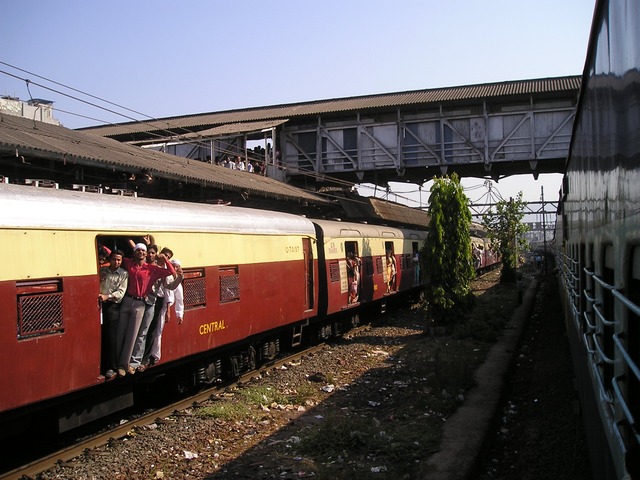
Railways, highways, ports and urban infrastructure projects are likely to be prioritised. Along with coal and power, the government could spend an additional USD190bn in the next five years on these sectors.
The input output analysis on value addition indicates that India's potential growth rate could rise by more than 1.4pp on this investment. This implies that India could be enjoying close to double-digit real GDP growth by FY20, even if only 75% of the planned infrastructure investments are realised.
For urbanisation, the government's smart cities initiative will complement the planned creation of several greenfield cities across the country. Higher investment in urban projects should also improve productivity in next five years.The government is targeting '24x7' power availability across the country by 2019. The first obstacle of fuel availability has been resolved, and the nation's power deficit is shrinking, a trend that looks set to continue, based on planned capacity additions.
The highways construction programme could see additional spending of INR2trn in the next five years, which should strengthen connectivity and fundamentally lower underlying inflation pressures. Railways and ports may see potential additional investments of INR5trn and INR1trn respectively in capacity building, which should further improve economic connectivity and reduce the cost of doing business in India.
"We believe execution risks will persist in India, given lack of clarity on land acquisition rules, issues of NPAs in the banking sector, and generally poor demand conditions, both domestically and globally",says Barclays.
Headwinds for growth may also increase if the logistical improvements are not coordinated, which may render some investments to be unproductive.

- News

- Economy

- Central Banks
- Investing
- Research
- Roundups
- Digital Currency
- Insights
- Technical Analysis
- Technology
- Business
- Law
- Health
- Nature
- Fintech
- Science
- Topic
- Opinions
- ©Econometrics LLC . All Rights Reserved.
India: Assembling the building blocks
Wednesday, July 8, 2015 11:04 PM UTC
Editor's Picks



- Market Data
Most Popular




