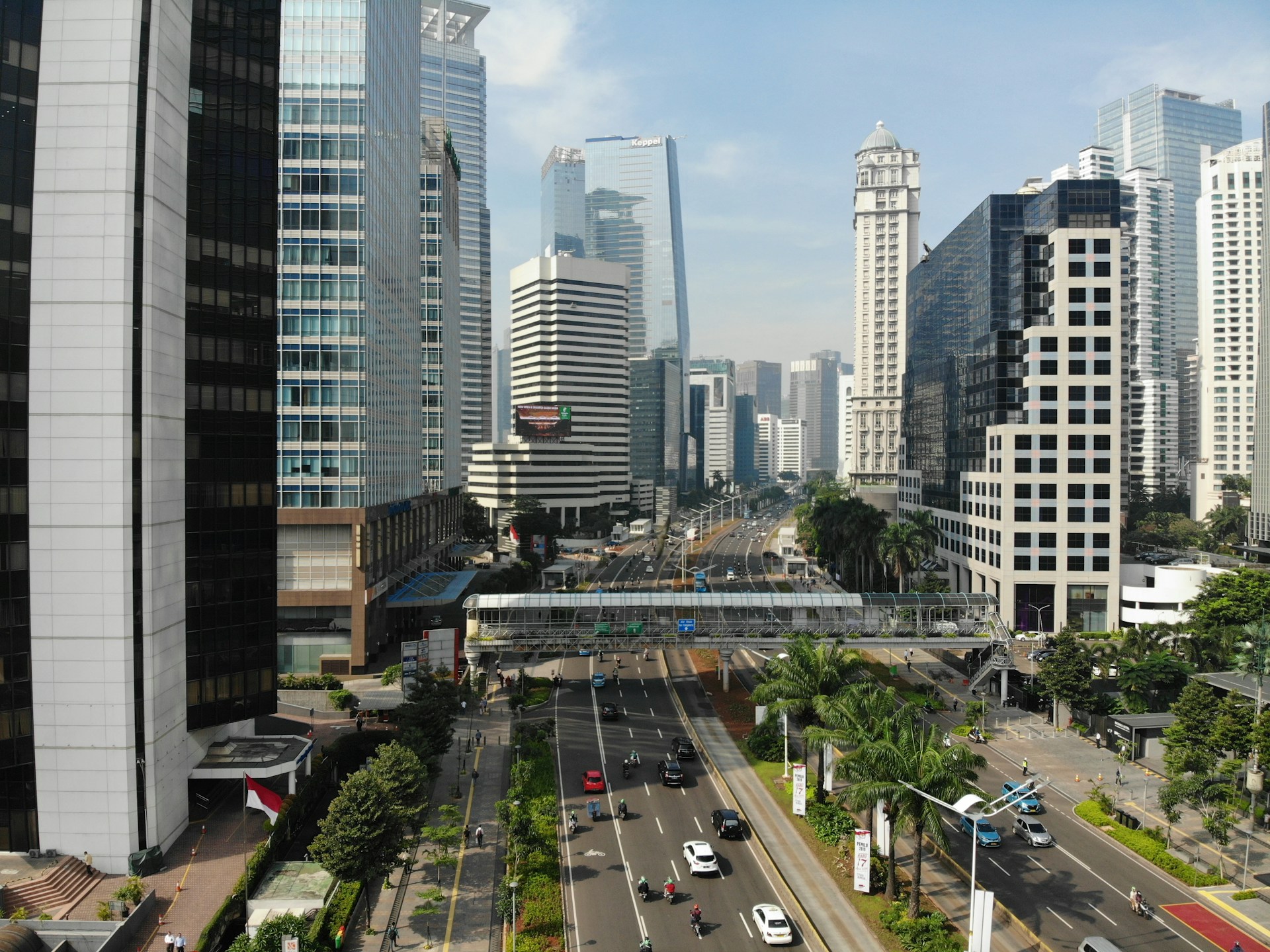
Indonesian stocks suffered a dramatic selloff on Thursday, putting the market on course for its largest two-day decline on record as fears of a potential downgrade to frontier market status rattled investors. The benchmark Jakarta Composite Index plunged 8% in early trading, triggering an automatic trading halt, after already tumbling 7.4% a day earlier. The sharp decline followed warnings from global index provider MSCI and a downgrade in outlook from U.S. investment bank Goldman Sachs.
MSCI raised concerns about market transparency in Indonesia, citing issues around stock ownership, trading mechanisms, and price formation. The index provider warned that if these “investability risks” are not resolved, Indonesia could be downgraded from emerging market to frontier market status. Such a move would have major consequences, as MSCI indexes are tracked by billions of dollars in passive and active investment funds, many of which would be forced to sell Indonesian equities.
Goldman Sachs responded by cutting its recommendation on Indonesian stocks to “underweight,” estimating that an MSCI downgrade could trigger capital outflows ranging from $2.2 billion to $7.8 billion, even though its strategists said such a downgrade remains unlikely. Still, the bank warned that the market is likely to stay under pressure and does not currently represent an attractive entry point.
Investor sentiment has also been undermined by growing concerns over Indonesia’s economic and fiscal direction under President Prabowo Subianto. Foreign investors have been pulling money out amid worries about a widening fiscal deficit, increased state intervention in financial markets, and weakening confidence in policy credibility. The recent appointment of the president’s nephew, Thomas Djiwandono, to the central bank, following the earlier dismissal of former finance minister Sri Mulyani Indrawati, has further shaken market confidence and pushed the rupiah to record lows.
According to LSEG data, overseas investors sold nearly 14 trillion rupiah worth of Indonesian shares in 2025, marking the worst year for equity outflows since 2020, with selling pressure continuing into January. Regulators and the stock exchange are expected to address the market turmoil in a media briefing later on Thursday.