


 Amazon in Talks to Acquire AI Startup Decart for $7 Billion
  Moonshot AI Executives Seek Settlement Ahead of Hong Kong IPO
  Jameson Lopp Downplays AI Threat to Bitcoin Cryptography
  Samsung, SK Hynix Shares Plunge as China Chip Competition Grows
  Apple Supplier Luxshare Faces US Patent Probe, Sees Limited Impact
  Trump Buys Up to $25M in Meta Stock, Invests in SpaceX Debt
  Samsung, SK Hynix Shares Fall as China's CXMT Advances DRAM Technology
  OpenAI Annualized Revenue Hits $50 Billion, Below Earlier Estimates
  Arthur Hayes Announces FLOP Testnet Launch Within Weeks
  Oracle Uses Trucked Natural Gas to Power AI Data Centers Amid Pipeline Delays
  Meta Launches Muse Wonder AI Models, Shares Rise 3.7%
  Amazon Cuts More Jobs as AI Investment Expands
  Elon Musk Eyes Semiconductor Manufacturing Expansion With $15 Billion Terrafab Project
  OpenAI Revenue Hits $50 Billion, Below Earlier $70 Billion Estimate
  Tencent Shares Fall as $5 Billion AI Bond Sale Weighed


 Add as a preferred source on Google
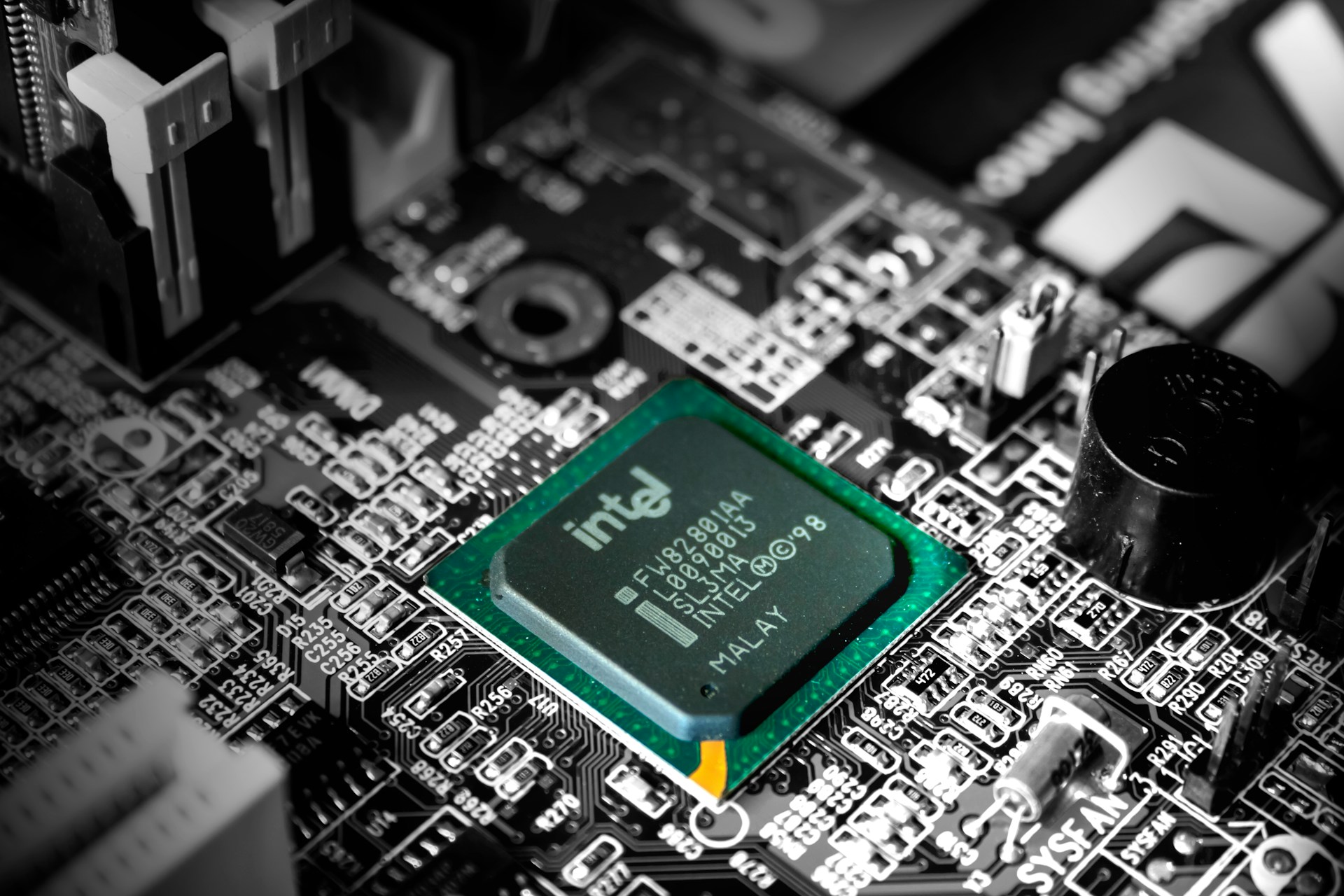
Support for Arc A-Series GPUs has been added to the Intel Extension for PyTorch (IPEX), which provides quicker AI capabilities for deep learning and LLMs.
Intel's Arc A-Series GPUs Embrace AI with Enhanced PyTorch Support
The Alchemist architecture-based Arc A-Series GPUs from Intel have a wealth of hardware potential being realized daily. Having successfully optimized the game performance of these GPUs, the software division is now concentrating on the emerging AI market, where the XMX units integrated into these chips will be utilized to their maximum potential.
In an update, Intel affirmed that IPEX (Intel Extension for PyTorch) now provides cross-platform support for Arc A-Series GPUs on Linux, Windows, and WSL2. By incorporating this recently introduced functionality, Intel's A Series GPUs would not solely enhance the velocity at which deep learning models, including LLMs, are processed but also introduce fresh hardware enhancements that would facilitate quicker execution times and grant users the capability to execute PyTorch models on the Alchemist line of GPUs.
Intel Unveils Step-by-Step Guide for AI Acceleration on Arc A-Series GPUs
For individuals possessing an Intel Arc A-Series GPU and desiring to utilize their XMX AI engine in PyTorch, the organization has published a comprehensive blog post detailing the steps required to operate the Llama 2 interface on Windows and WSL2. As stated by the AI software team at Intel:
-
GPUs are well suited for large language model (LLM) workloads as GPUs excel at massive data parallelism and high memory bandwidth. The Arc A-Series Graphics, including Arc A770 Graphics, are high-performance graphics, with up to 512 Xe Matrix Extensions (XMX) Engines, providing a capability for accelerated execution of deep learning models, including LLMs.
-
IPEX extends PyTorch with the latest performance optimizations for Intel hardware, taking advantage of XMX Engines on Intel discrete GPUs.
-
IPEX Extension for PyTorch enables PyTorch XPU device, which allows it to easily move PyTorch model and input data to the device to execute on Intel discrete GPU with GPU acceleration.
-
The latest release of IPEX (v2.1.10+xpu) officially supports Arc A-Series Graphics on WSL2, native Windows, and native Linux.
-
Demonstrated running Llama 2 7B and Llama 2-Chat 7B inference on Arc A770 Graphics on Windows and WSL2 via Ipex.
-
To run Llama 2, or any other PyTorch models, on Arc A-Series GPUs, simply add a few additional lines of code to import intel_extension_for_pytorch and .to("xpu") to move the model and data to the device to execute on Arc A-Series GPU.
In a recent article, WCCFTech cited Raja Koduri, the former GPU chief at Intel, as saying that client and gaming PC GPUs were instrumental in facilitating the success of artificial intelligence. It is excellent that Intel is bolstering support for its Arc A-Series GPUs in a market segment dominated by NVIDIA and AMD, which have been at the forefront of providing rapid AI support on consumer-oriented hardware.
Photo: Slejven Djurakovic/Unsplash







