


 US Caribbean Vessel Strike Kills Four
  Mexico Seeks US Evidence After Border Gunfire Claim
  Trump Plans Diesel Tax Relief as Fuel Prices Hit Record Highs
  Ukraine to Intensify Strikes on Russian Oil Refineries
  UK Warned Over Growing Reliance on US Cloud Providers
  US DOT Ends Airline Privacy Review Without Enforcement
  Iran Keeps Strait of Hormuz Closed as War Talks Stall
  Nicaragua Withdraws From Central American Parliament
  US Army Tests Counter-Drone Technology Along Mexico Border
  Japan Protests to US After Marine Arrested in Okinawa Murder Case
  Russian Bombs Kill Six, Injure Nearly 60 in Kharkiv
  India-US Trade Deal Talks Hit Plateau, Sitharaman Says
  Russia Strikes Kyiv Bridge as Ukraine Infrastructure Attacks Escalate
  ISIS Attack Near Kirkuk Kills Iraqi Policeman After US Withdrawal
  Yemen Launches Major Offensive to Retake Houthi-Held Areas
  Merz Pledges €1 Billion in Ukraine Aid During Kyiv Visit
  Trump Offers US Help to Russia After Plague Lab Worker Dies


 Add as a preferred source on Google
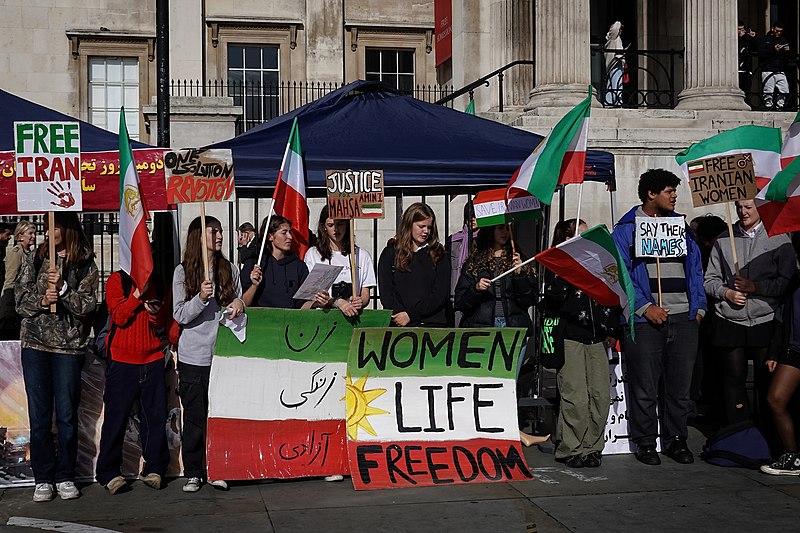
The Iranian judiciary carried out the execution of two men over the weekend who were convicted of killing a security agent during the ongoing protests. The latest executions bring up the number of protest-related executions in recent months.
In a statement published by the IRNA news outlet on Saturday, the Iranian judiciary said the two men who were executed, Mohammed Mehdi Karami and Seyyed Mohammed Hosseini, were convicted for killing a member of the Tehran-backed Basij paramilitary force. Three others were given death sentences, while 11 were sentenced to prison.
“Mohammed Mehdi Karami and Seyyed Mohammed Hosseini, principal perpetrators of the crime that led to the unjust martyrdom of Ruhollah Ajamian were hanged this morning,” said the judiciary in the statement, marking the number of protest-related executions to four.
The latest executions drew condemnation from the West. The European Union’s foreign policy chief Josep Borrell condemned the executions on the same day, calling on Iran to immediately stop sentencing detained protesters to death and annul the existing death sentences. Borrell called the executions another indication of the Islamic Republic’s “repression of civilian protesters.”
The United States special envoy to Iran, Robert Malley, called the executions a result of “sham trials” and said such executions must stop. British foreign minister James Cleverly also condemned the executions on Saturday and called on Tehran to “immediately end the violence against its own people.”
The French foreign ministry said the latest executions were “revolting” and urged Iranian authorities to heed the “legitimate aspirations of the Iranian people.” The Dutch government said it intends to summon the Iranian ambassador for the second time to relay its concerns over the execution of protesters.
A lawyer for Hosseini said in a tweet on December 18 that Hosseini was severely tortured and his confession under torture had no legal basis.
The Oversight Board of social media firm Meta on Monday overturned Meta’s decision to remove a post on Facebook calling for the death of Iranian Supreme Leader Ali Khamenei, saying that it did not violate a rule that bars violent threats.
The board said in a ruling that the phrase is often used to mean “down with Khamenei” while urging the platform to develop better ways to factor such context in its content policies, outlining clearly when it comes to rhetoric threats against leaders are permitted.







