


 Mexico Seeks US Evidence After Border Gunfire Claim
  India-US Trade Deal Talks Hit Plateau, Sitharaman Says
  US Caribbean Vessel Strike Kills Four
  OPEC+ Keeps November Oil Output Targets Steady
  Cuba Says US Contacts Continue but Formal Talks Remain Stalled
  Russia Strikes Kyiv Bridge as Ukraine Infrastructure Attacks Escalate
  New York Declares Measles Disaster Emergency as Cases Surge
  Takaichi Pledges to Control Japan Bond Issuance
  UK Warned Over Growing Reliance on US Cloud Providers
  Yemen Launches Major Offensive to Retake Houthi-Held Areas
  ISIS Attack Near Kirkuk Kills Iraqi Policeman After US Withdrawal
  Ukraine to Intensify Strikes on Russian Oil Refineries
  Ukraine Faces $56 Billion Budget Gap as War Costs Soar
  Flavio Bolsonaro, Lula Head to Brazil Presidential Runoff
  Australia Probes Flydubai Co-Pilot’s Links After FZ1073 Hijack Attempt
  Trump Plans Diesel Tax Relief as Fuel Prices Hit Record Highs
  Iran Keeps Strait of Hormuz Closed as War Talks Stall


 Add as a preferred source on Google
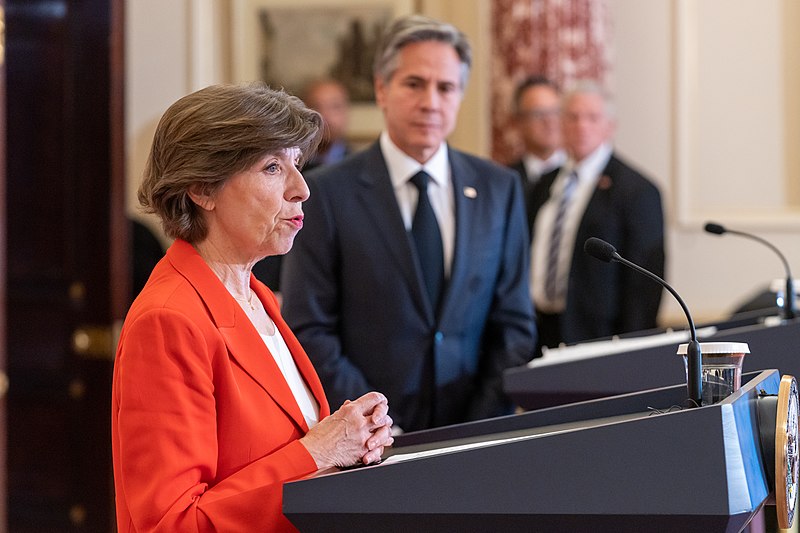
In a sign of further strained relations between France and Iran, the French foreign minister said Tehran should be concerned about its own problems rather than criticizing France. This follows the summoning of the French ambassador to Iran over cartoons published by a satirical magazine.
French foreign minister Catherine Colonna said on Thursday that Iran should concern itself with its own problems instead of criticizing France. Colonna’s comments follow Iran’s summoning of the French ambassador in protest over the cartoons published by the satirical Charlie Hebdo magazine. Colonna said Iran was pursuing bad policies through its crackdown on its population and the detention of French nationals.
“Let’s remember that in France press freedom exists contrary to what’s happening in Iran and that this is overseen by a judge within the framework of an independent judiciary, which is something that Iran without doubt doesn’t know well,” Colonna told LCI TV.
The cartoons published in Charlie Hebdo depicted Iranian Supreme Leader Ali Khamenei in an effort to support the ongoing protests in the country against the Islamic Republic. The cartoons in Charlie Hebdo drew the ire of Iranian foreign minister Hossein Amirabdollahian, who warned that the “offensive and indecent” move would be responded to by Tehran. Amirabdollahian also accused the French government of “going too far.”
Charlie Hebdo said it published the cartoons in a special edition that marks the anniversary of a deadly attack in its office in Paris by Islamist militants in 2015 after it published cartoons mocking the Prophet Mohammed.
Last Wednesday, the United States said it was looking at ways to further target Iran’s drone production through export controls and sanctions, according to the White House. Washington is talking to private companies whose parts have been used in Iran’s production of drones.
“We are discussing further steps we can take in terms of export controls to restrict Iran’s access to technologies used in drones,” said White House National Security Council spokesperson Adrienne Watson in a statement.
The US has previously sanctioned companies and individuals it has accused of manufacturing or transporting Iranian drones that Russia is using to attack civilian infrastructure in Ukraine.







