Iran has warned it will launch “long and painful strikes” against U.S. positions if Washington escalates military action, intensifying tensions in the ongoing U.S.-Israeli conflict with Tehran. The situation has significantly impacted global energy markets, as the Strait of Hormuz remains closed, disrupting nearly 20% of the world’s oil and gas supply and pushing oil prices sharply higher.
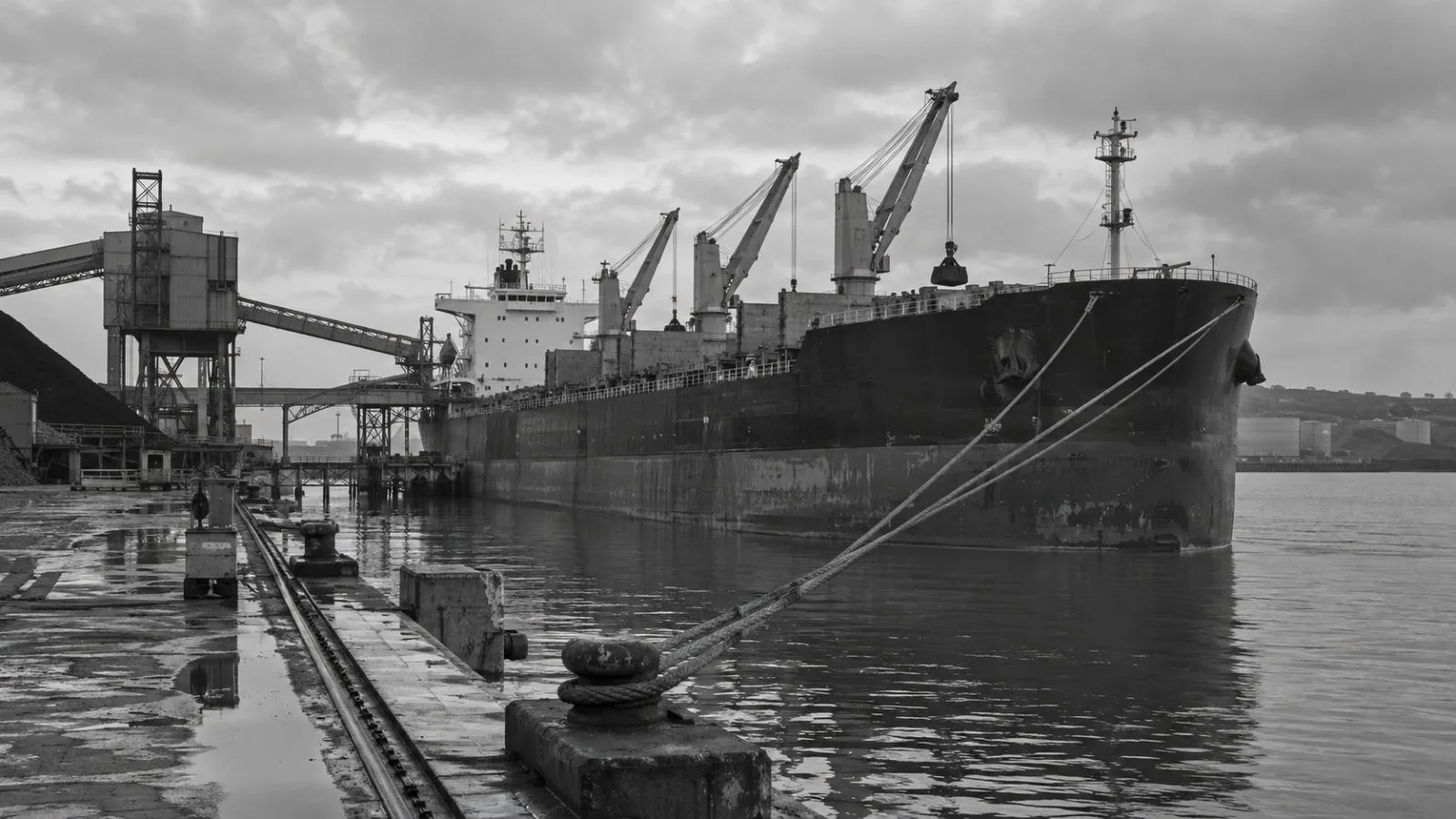
Despite a ceasefire established on April 8, the strategic waterway remains blocked by Iran in response to a U.S. naval blockade targeting its oil exports. This standoff has complicated international efforts to stabilize the region and reopen one of the world’s most critical shipping routes. Rising energy prices have sparked fears of inflation, economic slowdown, and increased global poverty, with the United Nations warning of severe long-term consequences if the crisis continues.
U.S. President Donald Trump is reportedly reviewing new military options aimed at forcing Iran into negotiations. These plans include potential targeted strikes and broader strategies to secure the Strait of Hormuz. Meanwhile, Iran has reaffirmed its control over the waterway, with leadership signaling that foreign intervention will not be tolerated.
The geopolitical conflict has also triggered heightened military activity, including drone engagements and air defense operations in Tehran. Neighboring countries, such as the United Arab Emirates, have issued travel warnings, reflecting growing regional instability.
Efforts to form an international coalition to protect commercial shipping are underway, but key allies have indicated they will only participate once hostilities subside. Analysts suggest that while Iran’s economy faces mounting pressure, it may be capable of sustaining the standoff longer than anticipated.
As tensions escalate, the global economy remains vulnerable to prolonged disruption in energy supply chains, making the resolution of the Strait of Hormuz crisis a critical priority for international stability.