Iran and Israel announced they had suspended direct attacks against each other following an appeal from U.S. President Donald Trump, easing fears of a wider Middle East conflict. However, Tehran warned that military action could resume if Israel continues targeting Hezbollah positions in Lebanon, keeping regional tensions elevated.
The latest Iran-Israel conflict marked the most serious confrontation between the two nations since April and threatened ongoing diplomatic efforts by Washington to secure a broader peace agreement. The situation also rattled global energy markets, with oil prices initially climbing as much as 5% before retreating after Iran indicated its first wave of military operations had concluded. The U.S. dollar also pulled back from recent highs.
According to sources familiar with the matter, Israel decided to halt additional strikes against Iran. The move followed a series of missile attacks launched by Tehran, which described the operation as retaliation for Israeli strikes on Hezbollah-linked targets near Beirut.
In response, Israel targeted Iranian air defense systems and a petrochemical facility it claimed was connected to ballistic missile production. Iran’s Islamic Revolutionary Guard Corps later said it struck a comparable Israeli facility in Haifa. Despite the exchange of attacks, no fatalities were reported by either side.
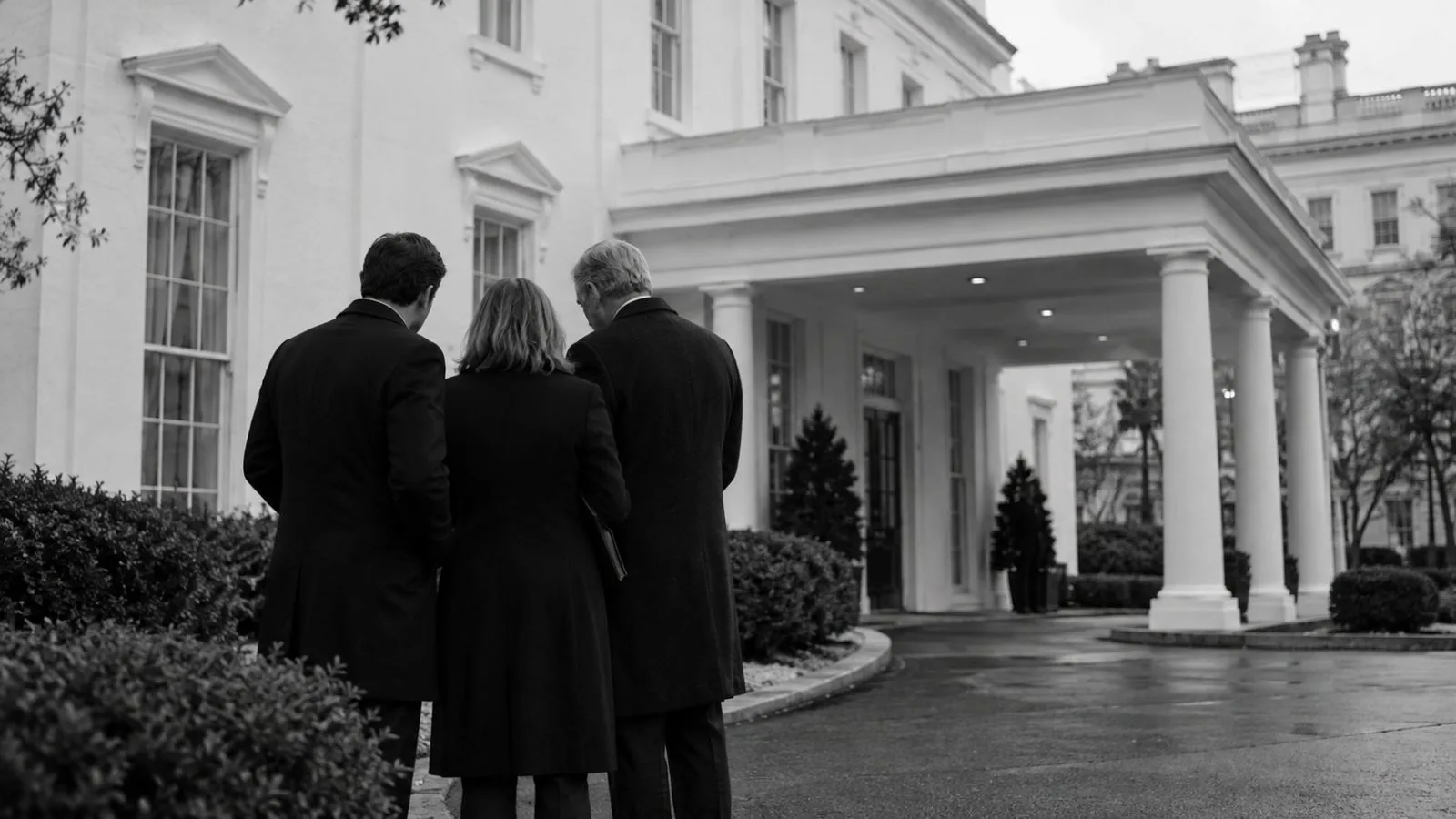
President Trump stated that both Israel and Iran were seeking an immediate ceasefire and expressed optimism about ongoing peace negotiations. Reports also confirmed discussions between Trump and Israeli Prime Minister Benjamin Netanyahu regarding the conflict.
While diplomatic efforts continue, military officials from both countries maintained firm positions. Israeli authorities said operations could resume if necessary, while Iranian officials warned they were prepared for a prolonged confrontation and could target U.S. interests in the region if hostilities escalate.
The United Nations called for maximum restraint, urging all parties to avoid actions that could worsen the volatile security environment. Iran also acknowledged ongoing communication with Washington but described the atmosphere as one of “extreme suspicion.”
Meanwhile, Yemen’s Iran-backed Houthi movement claimed responsibility for missile launches against Israel and vowed to continue disrupting Israeli-linked maritime activity in the Red Sea. The Israeli military reported intercepting an aerial threat originating from Yemen.
Signs of stabilization emerged as flights resumed at Tehran’s Imam Khomeini International Airport after temporary suspensions caused by the recent missile exchanges. Additionally, Lebanese-Israeli negotiations are expected to resume in Washington, offering a potential diplomatic pathway to reduce tensions along the Lebanon-Israel border.
Despite the pause in direct military actions, major issues remain unresolved. Iran continues to seek sanctions relief, access to frozen assets, and recognition of its strategic interests, while the United States insists that any agreement must prevent Tehran from developing nuclear weapons. With negotiations ongoing and regional flashpoints still active, the Iran-Israel ceasefire remains fragile and subject to rapid change.