


 Trump Administration Removes Confederate Memorial Criticism From Arlington Website
  Banking scandal rocks Brazil’s politics and the country’s presidential election in October
  U.S. Probes Apex Logistics Over Nvidia AI Chip Shipments to China
  Europe can’t achieve space sovereignty alone. Here’s why
  New Zealand Moves to Ban Social Media for Children Under 16
  France Targets Shein, Temu With Fast-Fashion Fees
  China’s Global Times Slams Anthropic CEO’s AI Slowdown Plan as ‘Cold War’ Strategy
  Australia Plans New Rules Giving Users Control Over Social Media Feeds
  Judge Blocks Trump Rule Limiting Foreign Student Visas
  FDA Names Permanent Drug and Biologics Center Chiefs
  Bill Gates Warns Governments Are Unprepared for AI Disruption
  US Confirms Weapons in Orbit as Space Tensions Rise
  US Immigration Arrests Surge as Deportations Lag Behind
  Trump Open to Chinese Automakers Building Cars in US
  U.S. Imposes New Visa Restrictions Over South Africa Policies
  Takaichi-Backed Koja Wins Okinawa Governor Race
  Australia Defends Social Media Algorithm Law Amid US Concerns


 Add as a preferred source on Google
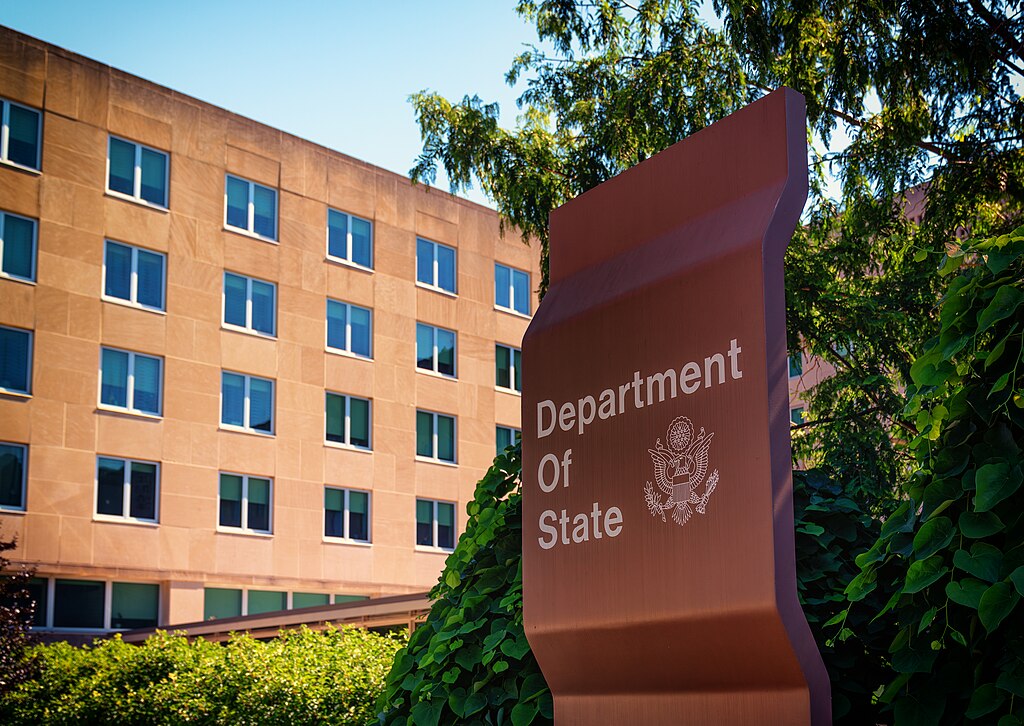
An internal watchdog report released Monday found that the U.S. State Department faced significant operational challenges after taking over billions of dollars in foreign aid programs following the closure of the U.S. Agency for International Development (USAID).
President Donald Trump ordered the shutdown of USAID shortly after returning to office in January 2025, resulting in the dismissal of more than 10,000 employees and the cancellation of thousands of aid programs. The abrupt transition disrupted U.S.-funded humanitarian and development efforts that support millions of vulnerable people worldwide.
According to the State Department’s Office of Inspector General, approximately $51.5 billion in obligated foreign assistance funds were transferred to the department while it was simultaneously undergoing its own internal reorganization. The surviving aid portfolio, known as the "Green List," included 1,504 awards covering projects in key regions such as Ukraine, Israel, the Palestinian territories, and other conflict-affected areas.
The watchdog said the rapid transfer created major administrative hurdles, with officials describing the process as moving "extremely fast" under constantly changing guidance. The report also noted that the State Department had not fully implemented earlier inspector general recommendations designed to ease the transition.
Roughly one-third of the State Department offices assigned to oversee the transferred programs had no previous experience managing foreign assistance. Although the department added 838 new positions to administer the awards, the staffing level fell well short of bureau requests.
The report also highlighted delays in issuing guidance for updating grant terms, with complete instructions not available until December. In addition, an artificial intelligence-powered data management system introduced to support the transition experienced data quality issues that complicated oversight.
Africa accounted for the largest share of transferred aid programs, with 639 awards valued at $17 billion. The Bureau of African Affairs, which assumed responsibility for most of those projects, requested 732 additional staff positions but received only 232 hires, most of whom were locally employed personnel stationed at U.S. diplomatic missions.
The State Department did not immediately respond to Reuters' request for comment. However, its management office told the inspector general that efforts to implement the watchdog’s recommendations are currently underway.







