


 EU Rejects Italy, Greece Calls for Fiscal Rule Flexibility
  Iran Refuses to Halt Uranium Enrichment Amid US Nuclear Demands
  Tsai Warns of China’s Sustained Pressure on Taiwan
  Saudi Arabia Probes Flydubai Cockpit Attack
  ICC Rules Duterte Fit to Stand Trial in Drug War Case
  Saudi Airport Attacks Kill Three as Yemen Fighting Escalates
  Berlin Coalition Talks Advance After Left Party Antisemitism Deal
  US Charges Maduro and Wife With Torture Conspiracy
  Ripple Chairman Chris Larsen Donates $22.5 Million Ahead of US Midterms
  US-Led Coalition Targets Global Factory Overcapacity
  Italy Approves Electoral Reform Ahead of 2027 Election
  Zelenskiy Criticizes US as Russian Strikes Kill 78 in Ukraine
  Trump Rallies in Texas as Republicans Face Tight Midterm Races
  Flavio Bolsonaro Leads Lula 49%-45% in Brazil Runoff Poll
  US, Greece Launch New Counterterrorism Security Program
  Zelenskiy Slams US Over Deadly Russian Strikes on Ukraine
  Trump Weighs FBI Probe Into Nolan Wells’ Death


 Add as a preferred source on Google
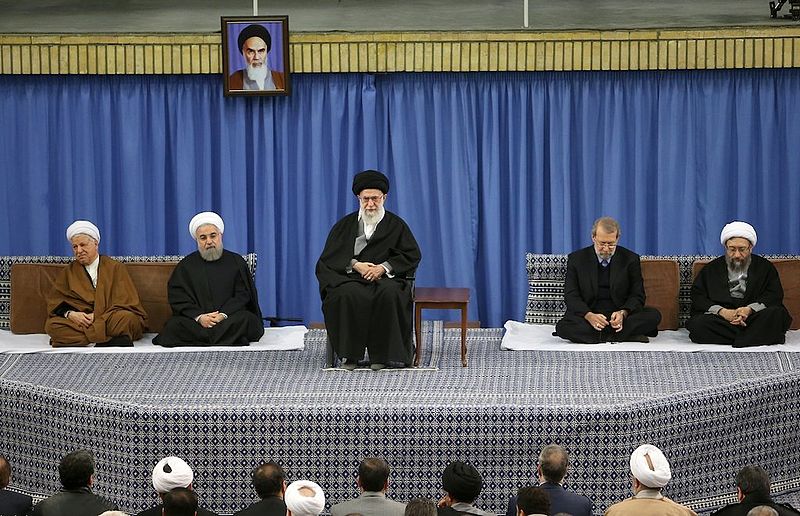
With talks between Iran and major powers about its nuclear program has resumed this week, it remains to be seen whether there would be any breakthrough. The atomic watchdog for the UN has revealed that Iran has begun a new operation in its enrichment of uranium.
The UN nuclear watchdog has revealed that Iran has started a new operation of advanced IR-6 centrifuges at its Fordo facility. The new operation would enrich uranium up to 20 percent purity. This is another violation of the nuclear pact between Iran and major powers, just as talks on possibly restarting the nuclear deal resumed this week in Vienna.
This follows the revelation made in October by Iran’s atomic energy organization Mohammed Eslami to state media that it was able to amass over 120 kilograms of 20 percent enriched uranium.
“We have passed 120 kilograms. We have more than that figure,” said Eslami, who added that the western powers were meant to provide 20 percent enriched uranium to use in the nuclear reactor in Tehran, but none was given.
In its deal with the major powers, Iran is only allowed to enrich uranium up to 3.67 percent purity. At the time of the deal, Iran also agreed to operate no more than 5,060 of its oldest and least effective IR-1 centrifuges and stop operations at its Fordo facility. If Iran adhered to the deal, then the economic sanctions imposed on the Islamic nation would be lifted.
Iran had increasingly breached the terms of the agreement when the US under Donald Trump withdrew from the deal and imposed sanctions on Iran instead. US President Joe Biden has agreed to lift the sanctions if Iran decides to reverse its steps and keep to the conditions of the pact.
Despite concerns that Iran was close to developing capabilities that would allow them to produce nuclear weapons, the Islamic nation has maintained that their nuclear program is used for peaceful purposes. However, the former head of its nuclear program, Fereydoun Abbasi-Davani, hinted that there was an intention to develop nuclear weapons.
Speaking with the Islamic Republic News Agency, Abbasi-Davani explained that while their stance on their nuclear program is in line with the fatwa issued by Supreme Leader Ali Khamenei, banning the development of nuclear weapons, his late colleague Mohsen Fakhrizadeh created a system that would do so.







