


 US-Taiwan Ties Remain Strong as Taipei Urges Timely Arms Deliveries
  Vance Demands Iran Cut Nuclear Enrichment to End War
  Trump Says He Deserves 2026 Nobel Peace Prize Despite Uncertain Chances
  Pentagon Orders Iran Strike Preparations as Trump Weighs Military Action
  US Pressures Allies to Distance From Anti-Disinformation Conference
  US-Led Coalition Targets Global Factory Overcapacity
  Tsai Warns of China’s Sustained Pressure on Taiwan
  Russia Targets Danish Ukraine Suppliers in Sabotage Campaign
  US, Greece Launch New Counterterrorism Security Program
  Lincoln University Students Sue Missouri Over Decades of Underfunding
  Hegseth Praises USS Abraham Lincoln Crew After Record Iran War Deployment
  Mexico Bars Dual Citizens From Presidential Races Starting in 2028
  Trump Rallies in Texas as Republicans Face Tight Midterm Races
  Rapidus Seeks Chip Customers as Japan Pushes 2nm Semiconductor Revival
  San Francisco Halts New Data Center Construction With 45-Day Moratorium
  Houthis Strike Aden Airport as Yemen Fighting Escalates
  Saudi Airport Attacks Kill Three as Yemen Fighting Escalates


 Add as a preferred source on Google
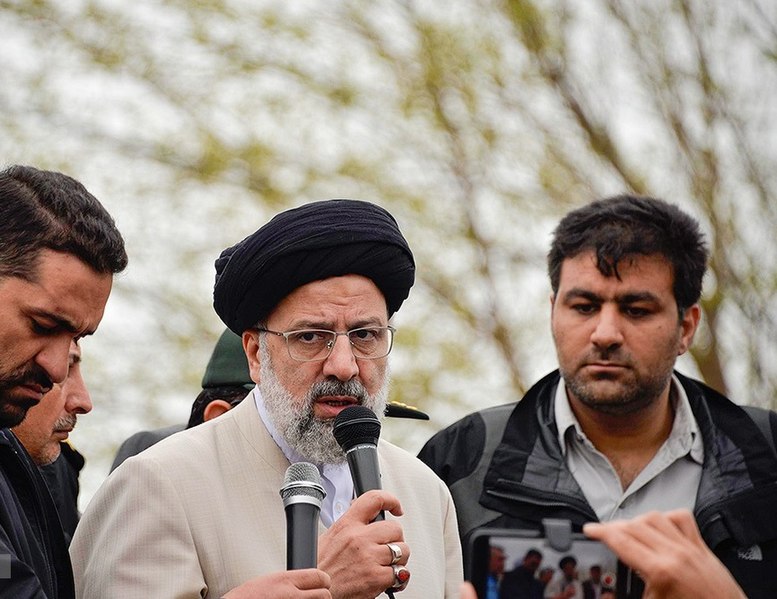
Iran’s nuclear program has prompted discussions with the countries under the nuclear deal, including the US. The US has recently warned Iran that it will consider all the options should nuclear talks fail to resume, and no agreement has been made.
In a joint press conference in Washington, US Secretary of State Antony Blinken announced that the US would look into all the other options to address Iran’s nuclear program if talks involving the nuclear deal fail to reach an agreement. Blinken was with his counterparts from Israel and the United Arab Emirates. Neither Israel nor the UAE is part of the nuclear deal that was established in 2015.
“We are prepared to turn to other options if Iran doesn’t change course, and these consultations with our allies and partners are a part of that,” said Blinken.
Israel’s foreign minister Yair Lapid also echoed Blinken’s comments. “I would like to start repeating what the Secretary of State just said. Yes, other options are going to be on the table if diplomacy fails. And by saying other options, I think everybody understands here, in Israel, in the Emirates, and Tehran what is it that we mean,” said Lapid. “Israel reserves the right to act at any given moment, at any way.”
The US special envoy on Iran Robert Malley also said that the US will be prepared to adjust if needed in order to deal with Iran’s nuclear program should Iran refuse to return to the “constraints of 2016.” Iran has said it is willing to return to the agreement’s conditions that were detailed in 2016. Should this be the case, then the US would also have to uphold the conditions, including lifting the sanctions on Iran that were imposed by Donald Trump during his presidency.
Previously, Iranian-state media Press TV boasted about the country’s nuclear weapon capabilities despite growing pressure from the west.
“Did you know that Iran has managed to make sophisticated weapons under unprecedented pressure and arms sales embargo?” said the outlet on Twitter.
Earlier this year, the Iranian Parliament also passed legislation that would potentially expand Iran’s nuclear program and limit the monitoring access to the International Nuclear Energy Agency.







