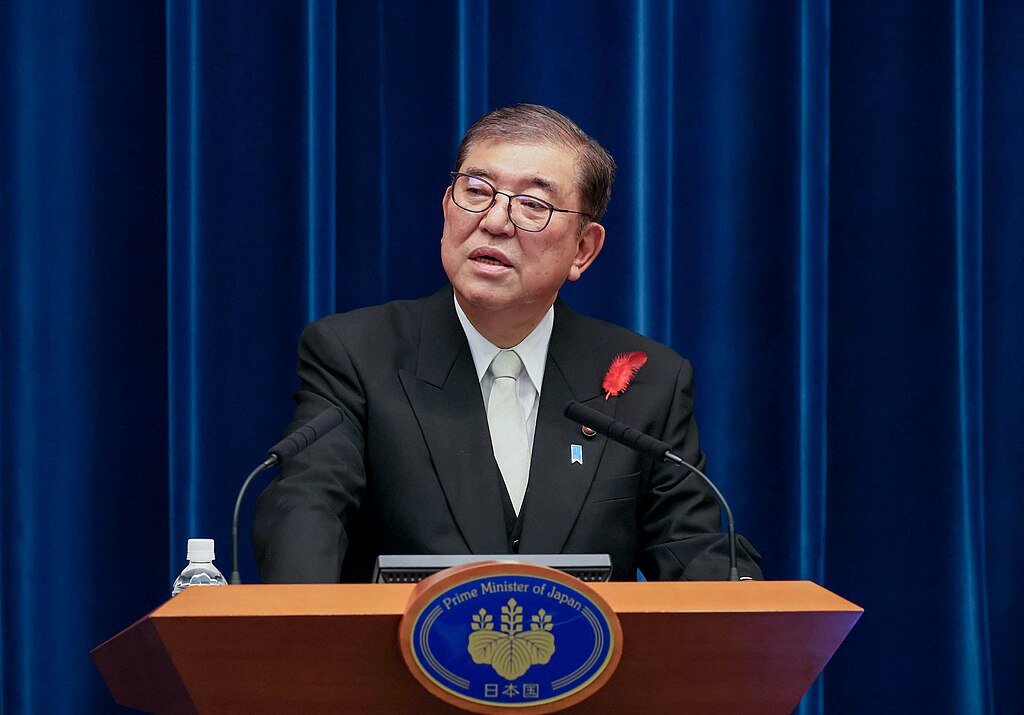
Japanese Prime Minister Shigeru Ishiba announced Monday that Japan will continue urging U.S. President Donald Trump to reduce tariffs, but cautioned that meaningful results may take time. Speaking to parliament, Ishiba stressed the importance of government support to offset the economic fallout, including financial aid for businesses and job protection initiatives.
Calling Trump’s tariff move "extremely disappointing and regrettable," Ishiba emphasized Japan’s commitment to fair trade and said the country has not acted unfairly toward the United States. He also expressed his willingness to visit Washington soon for direct talks, noting that Japan must prepare a strategic proposal for such a meeting.
The U.S. recently imposed a 25% tariff on Japanese auto imports and a 24% duty on other goods, triggering fears of significant economic damage. Analysts warn the move could shave up to 0.8% off Japan’s GDP, a troubling forecast for the nation’s export-dependent economy.
Global recession concerns added to market volatility, with Japan’s Nikkei share average plunging nearly 9% early Monday. In response, Ishiba convened an emergency meeting Sunday night with key officials, including Finance Minister Katsunobu Kato, urging them to monitor financial markets closely and act swiftly to stabilize conditions.
The Japanese government is now weighing all possible policy tools to soften the blow of U.S. tariffs and maintain economic resilience amid growing global uncertainty. Ishiba’s administration appears focused on diplomacy, economic safeguards, and coordinated fiscal action to manage the crisis and preserve Japan’s trade relations with the United States.