


 Rapidus Seeks Chip Customers as Japan Pushes 2nm Semiconductor Revival
  Maduro, Wife May Face New US Torture Charges
  San Francisco Halts New Data Center Construction With 45-Day Moratorium
  Trump Backs Florida Golf Course as Presidential Retreat
  Houthis Strike Aden Airport as Yemen Fighting Escalates
  Lincoln University Students Sue Missouri Over Decades of Underfunding
  Trump Rallies in Texas as Republicans Face Tight Midterm Races
  Merz Warns of Extremism After AfD Gains Power in Saxony-Anhalt
  Lula Weighs Alckmin as Finance Minister to Boost Fiscal Credibility
  Hegseth Praises USS Abraham Lincoln Crew After Record Iran War Deployment
  JD Vance Says Iran Must Cut Nuclear Enrichment to End War
  Saudi Airport Attacks Kill Three as Yemen Fighting Escalates
  Trump Envoy Meets Sudan Army Chief in Egypt
  Russia Targets Danish Ukraine Suppliers in Sabotage Campaign
  Saudi Arabia Probes Flydubai Cockpit Attack
  Vance Demands Iran Cut Nuclear Enrichment to End War
  Zelenskiy Warns Russia Is Preparing Massive Attack on Ukraine


 Add as a preferred source on Google
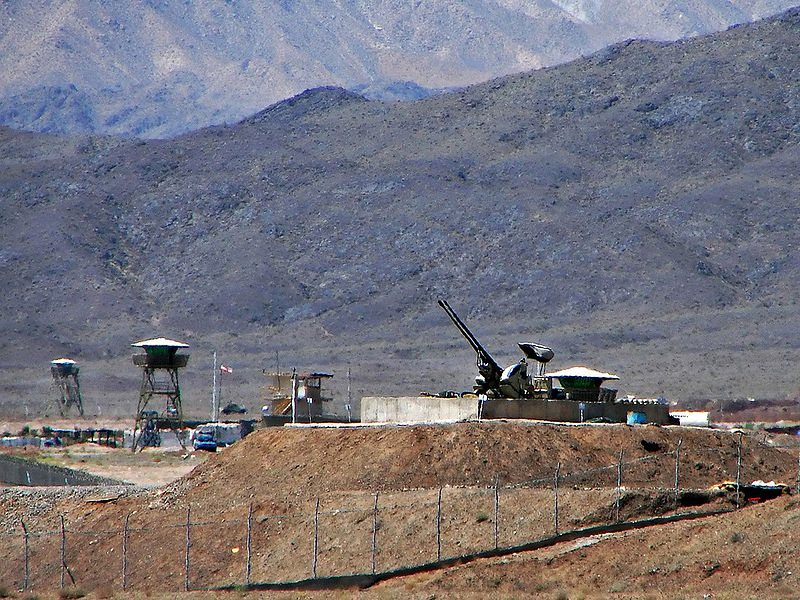
This week sees Iran and world powers meet in an effort to restart talks regarding the nuclear deal despite little expectation of any breakthrough. Iran’s former head of the nuclear program recently suggested that the Islamic nation was really set on developing its own nuclear arsenal.
Ahead of the talks that would be taking place in Vienna this week, the former chief of Iran’s nuclear program, Fereydoun Abbasi-Davani, suggested to the Islamic Republic News Agency that Iran has created a kind of system that would allow them to develop nuclear weapons. Abbasi-Davani also said that Israeli spy agency Mossad was responsible for killing his former colleague, scientist Mohsen Fakhrizadeh. Fakhrizadeh was assassinated on November 27 last year.
Abbasi-Davani explained that while Iran’s stance on nuclear weapons is based on the fatwa by Supreme Leader Ali Khamenei banning nuclear weapons, he said that Fakhrizadeh created a kind of system with a concern of the defense of the country. To note, the fatwa issued by Khamenei states Iran’s stance that its nuclear program is used for peaceful purposes.
“Although our stance on nuclear weapons based on the supreme leader’s explicit fatwa regarding nuclear weapons being forbidden is quite clear, Fakhrizadeh created this system and his concern wasn’t just the defense of our own country,” said Abbasi-Davani.
Iran was angered when the US under Donald Trump withdrew from the nuclear deal in 2018. In response, Tehran has proceeded with enriching uranium, breaching the terms in the nuclear deal. The recent talks in Vienna are the first time since Iran elected its new president, Ebrahim Raisi, back in August.
The talks this week also come at the same time Israel’s foreign affairs minister Yair Lapid and Britain’s foreign secretary Liz Truss have recently announced a “memorandum of understanding” aimed at preventing Iran from obtaining any nuclear weapons. The agreement would facilitate both countries to work closer on key issues such as defense, trade, and cybersecurity.
“We believe that a democracy rooted in freedom -- which empowers citizens with the opportunity to innovate, create, and fulfill their dreams -- is the finest form of government,” the two officials wrote in a joint piece on the Telegraph.







