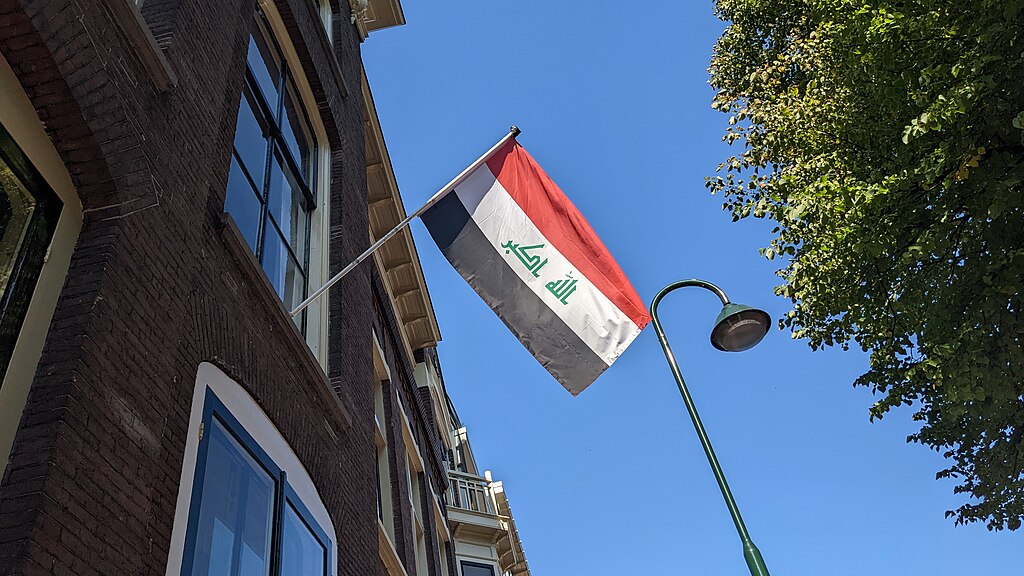
Iraq has confirmed it has no intention of leaving OPEC or OPEC+, according to a Reuters report citing two Iraqi oil officials. The statement comes shortly after the United Arab Emirates (UAE) announced its decision to withdraw from both organizations, a move that has raised concerns across global oil markets. Iraq emphasized its continued support for a strong and unified OPEC, highlighting the group’s role in maintaining stable and sustainable oil prices during a time of economic uncertainty.
The Iraqi officials noted that remaining within OPEC and OPEC+ aligns with the country’s long-term energy strategy. By cooperating with major oil-producing nations, Iraq aims to contribute to balanced supply levels and avoid extreme price volatility. This stance reflects Iraq’s broader commitment to global energy stability, especially as geopolitical risks continue to disrupt markets.
In contrast, the UAE’s decision to exit OPEC and OPEC+ represents a significant shift in the dynamics of the oil-producing alliance. The move is widely seen as a challenge to the influence of Saudi Arabia, which has traditionally acted as the group’s leading force. Analysts suggest that the UAE’s departure could impact future production agreements and weaken collective decision-making within the organization.
The timing of the UAE’s exit is particularly notable, as it coincides with heightened geopolitical tensions linked to the Iran conflict. The ongoing crisis has triggered a major energy shock, contributing to fluctuations in oil supply and increasing pressure on the global economy. In this volatile environment, Iraq’s decision to remain in OPEC underscores its preference for cooperation and market stability.
As oil markets continue to react to shifting alliances and geopolitical developments, Iraq’s firm commitment to OPEC and OPEC+ signals a desire to uphold coordinated production policies. This approach may help cushion the impact of external shocks and maintain investor confidence in the global energy sector.