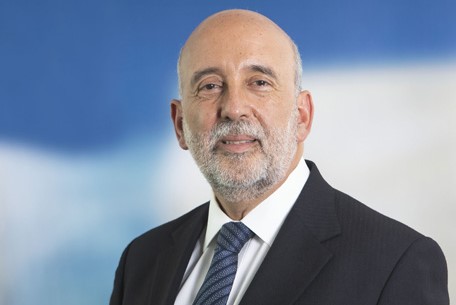
Ireland’s central bank governor, Gabriel Makhlouf, has urged the government to reconsider its planned spending increase in the upcoming October budget, warning it risks overheating an economy already operating at full employment.
Speaking to the Business Post, Makhlouf cautioned that the government’s proposed 6.4% rise in day-to-day spending—down from the 8-9% growth of recent years—still adds more economic stimulus than needed. “For an economy at full employment, we’re adding more stimulus than it needs… there’s a risk we’re in the wrong place,” he said.
The government unveiled its pre-budget plans in the Summer Economic Statement, outlining a €9.4 billion package of tax cuts and spending measures for next year. Officials also said they would scale back the plan if U.S. tariffs exceeded the 10% rate assumed during the announcement.
Just days later, the U.S. and European Union reached a framework trade deal that introduced a 15% import tariff on most EU goods, raising new concerns for Ireland’s trade-dependent economy. Makhlouf stressed the need to factor in this development before finalizing the budget. “Hopefully, the Summer Economic Statement is not the budget, and by the time we get there, the government will have reflected on what the trade situation is telling us,” he added.
Ireland’s economy, buoyed by strong multinational investment and low unemployment, faces the risk of inflationary pressures if spending significantly outpaces capacity. Economists warn that excessive fiscal stimulus could undermine stability, particularly in light of shifting global trade conditions.
Makhlouf’s comments signal a call for fiscal restraint, balancing investment needs with economic sustainability as Ireland navigates a changing international landscape and potential tariff impacts on exports.