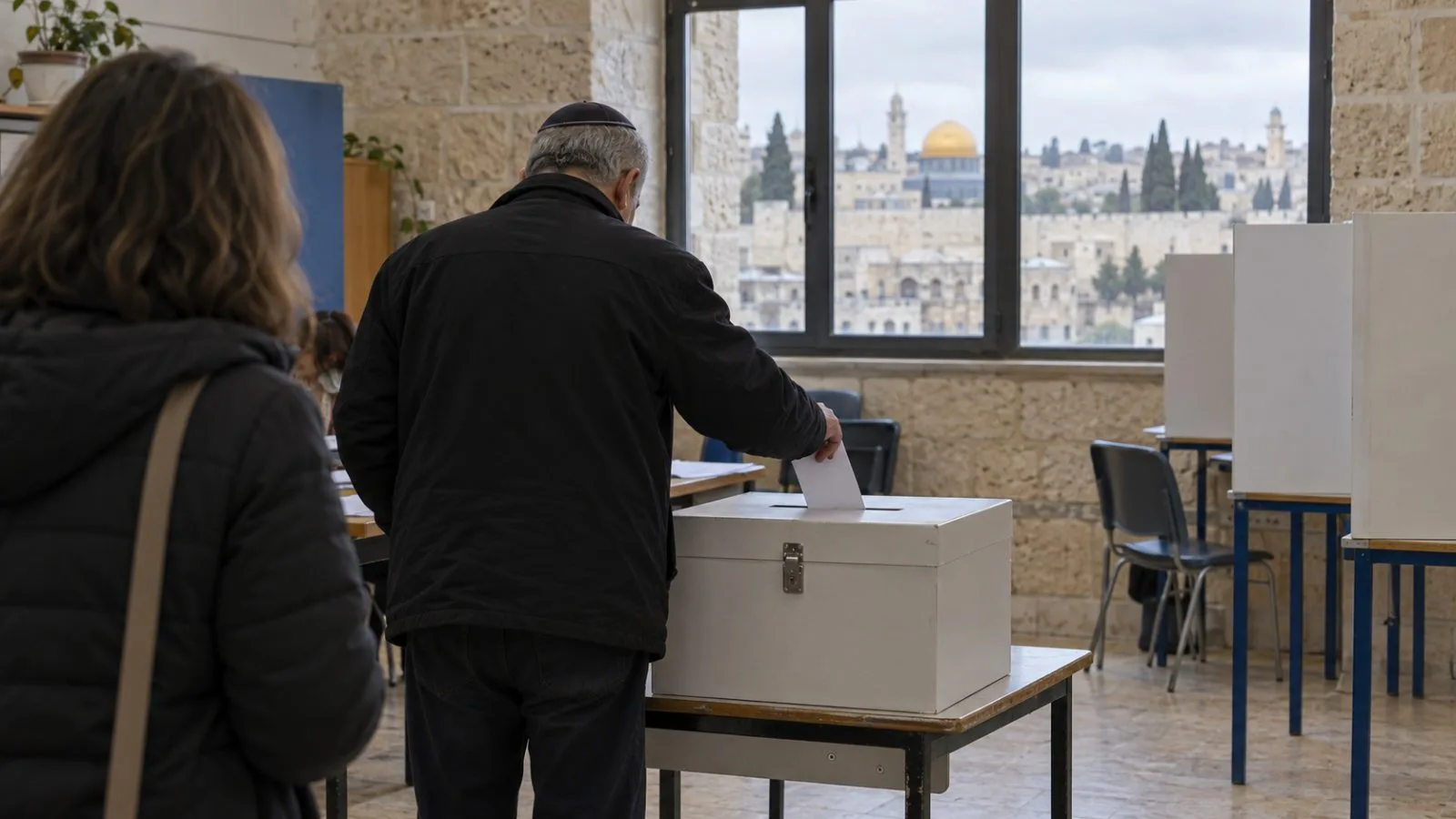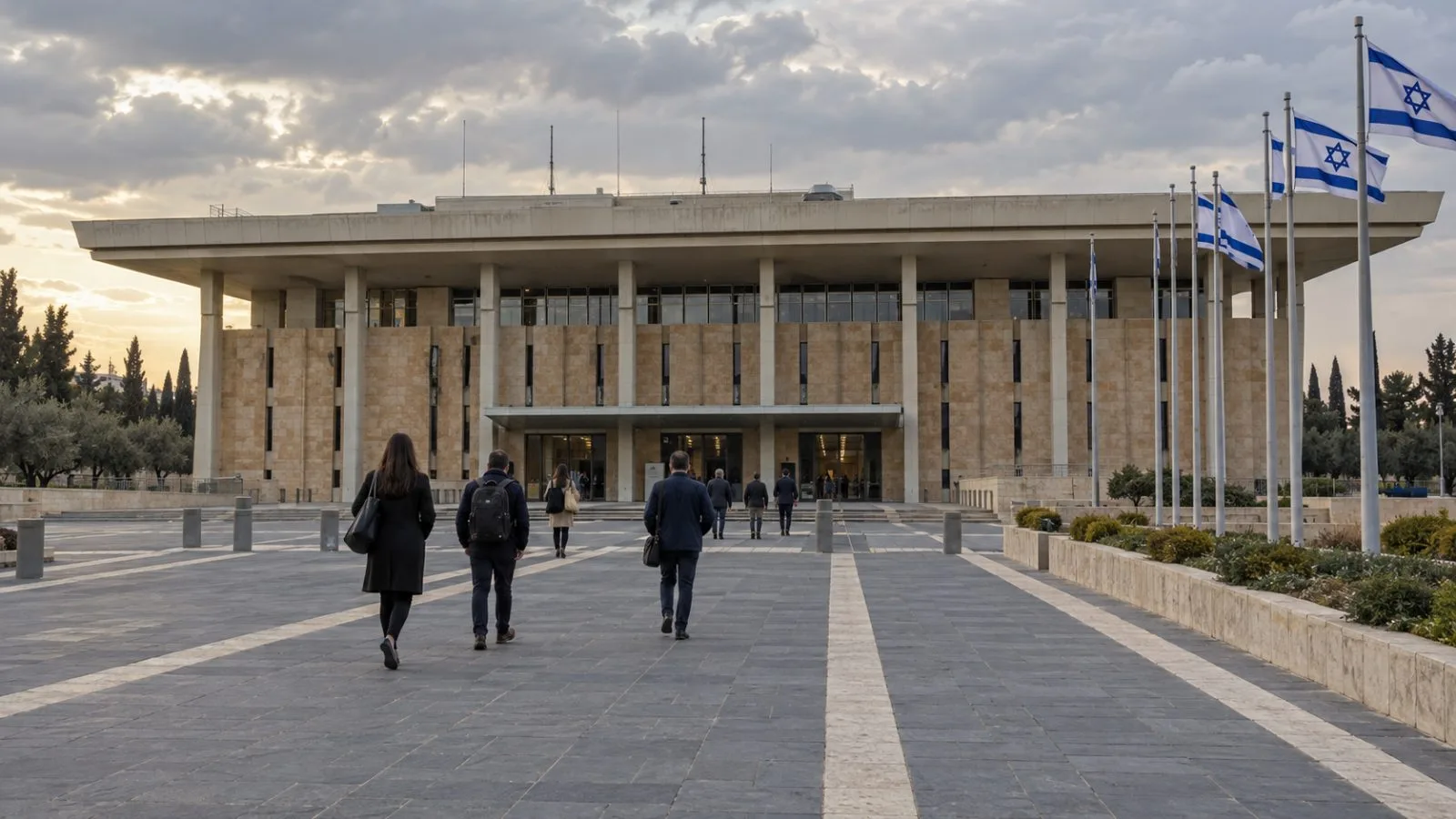
Israelis voted Tuesday to choose the 120-seat Knesset in an election that may leave both main blocs below the 61 seats needed for a governing majority, putting coalition talks at the center of the outcome.
Voting began at 1 a.m. ET (05:00 UTC) and is due to end at 4 p.m. ET (20:00 UTC). Some 7.3 million Israelis can cast ballots; 1.2 million of them are Palestinian citizens of Israel. Broadcasters are expected to offer exit-poll estimates within hours of the close.
The Central Elections Committee (CEC) is expected to publish live results after voting ends. Al Jazeera reported that the final tally is expected by Friday and formal results are scheduled for Nov. 4.
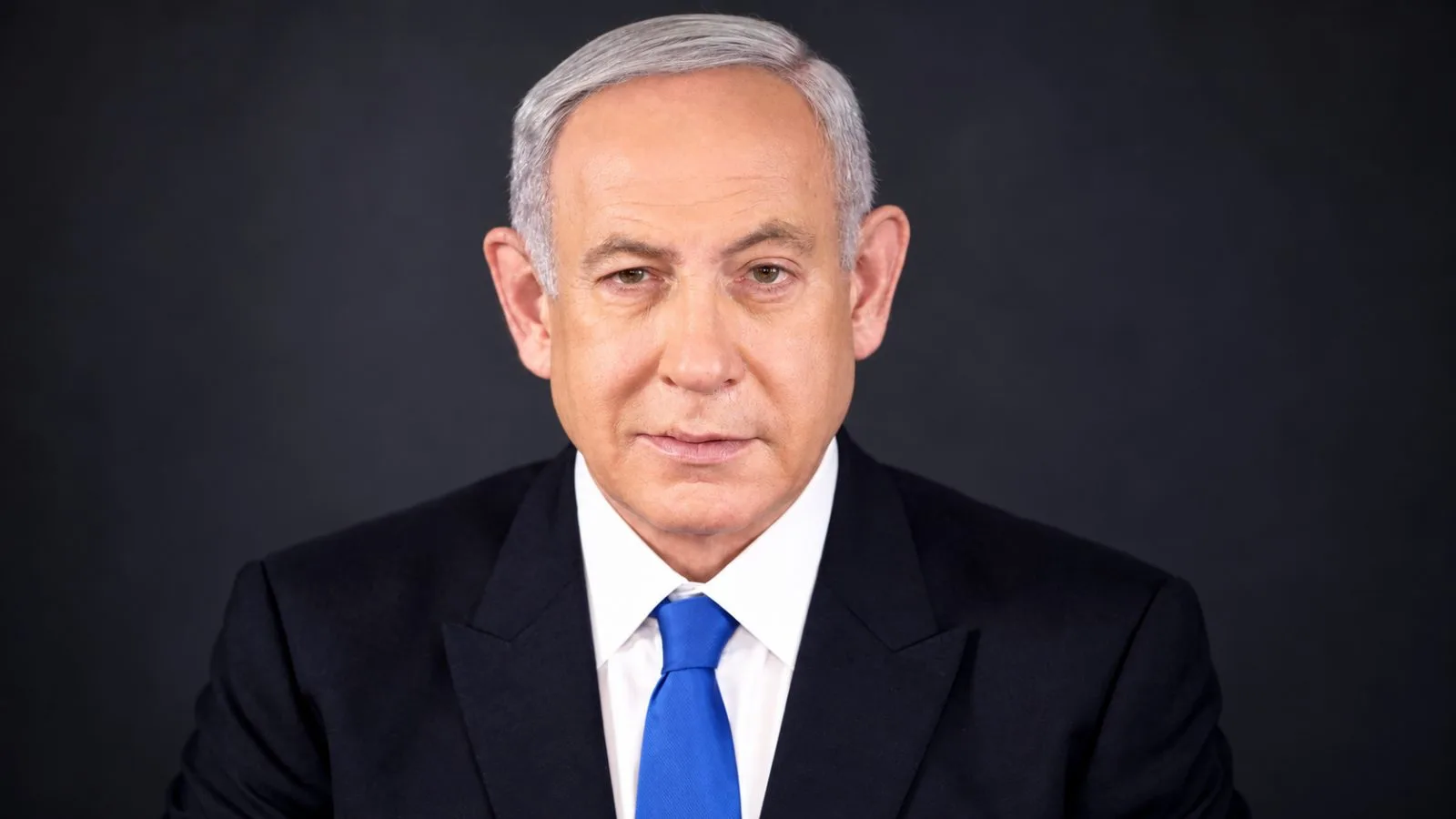
A poll average compiled by Haaretz from Channels 11, 12 and 13, as reported by Al Jazeera, put Prime Minister Benjamin Netanyahu's coalition at 50 seats and the opposition bloc led by former military chief of staff Gadi Eisenkot at 54. The projections were published Friday, before election day, and both fell short of the majority line. A previous Madad poll also left the main blocs short and projected Arab parties at 15 seats, as described in EconoTimes' earlier report on the survey.
Israel's proportional system assigns Knesset seats according to each party's share of the national vote. Parties must win at least 3.25% to enter parliament; roughly 12 are considered capable of clearing that threshold, which could affect how seats are distributed.
Al Jazeera also reported domestic scrutiny of Netanyahu over alleged security failures connected with Hamas' Oct. 7, 2023, attack, his government's efforts to recover captives taken to Gaza, corruption allegations and disputes over ultra-Orthodox military service.
Al Jazeera noted that no single party has ever won an outright majority, so Israeli governments are formed through coalitions. After counting concludes, President Isaac Herzog is expected to hear from party leaders before selecting the candidate he believes is most likely to form a government. The chosen nominee has as many as 42 days to assemble a government. If no viable administration emerges, Netanyahu's cabinet would remain in caretaker office as the country moves toward another election.