Italy's Defense Spending Dilemma
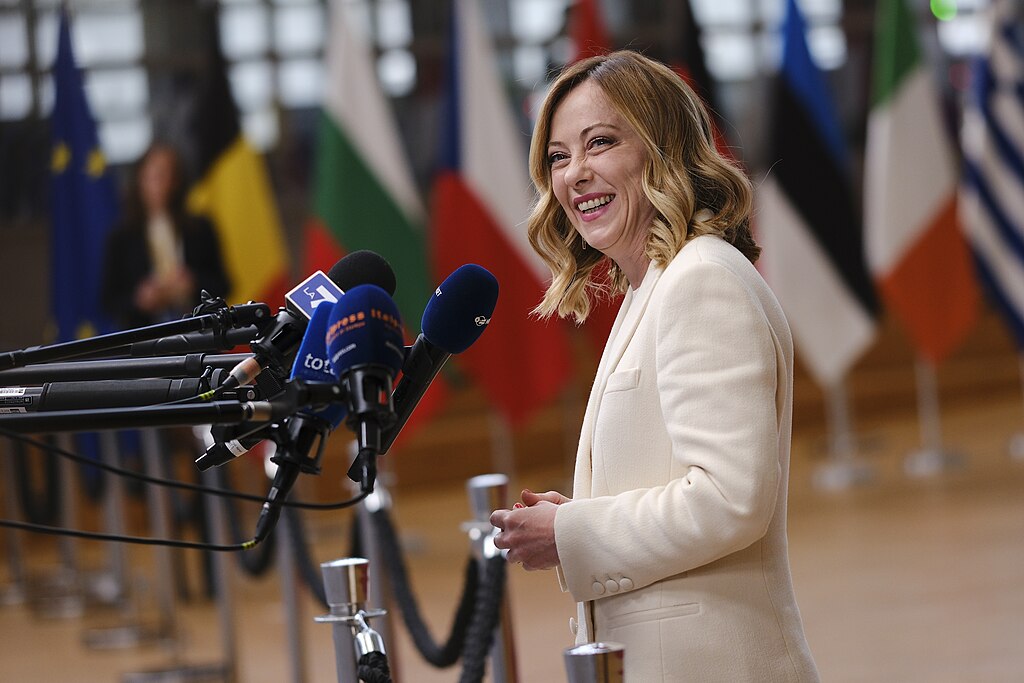
Italian Prime Minister Giorgia Meloni, who previously cultivated a relationship with Donald Trump during his presidency, may find herself in a precarious position should he regain power in the upcoming election. A key issue looming over their potential partnership is Italy's low defense spending, which remains below NATO's target.
NATO's Defense Spending Goals
During Trump's presidency, he urged NATO members to allocate 2% of their GDP to defense. At that time, only four of the 29 members met this benchmark. NATO now anticipates that 23 of its 32 members will reach the target, but Italy's defense budget is forecasted to remain at only 1.49% of GDP in 2024, with gradual declines anticipated in subsequent years. While Meloni's administration aims for a 2% commitment by 2028, critics argue that progress is insufficient to satisfy U.S. expectations.
Budgetary Constraints and Public Sentiment
Italy's public debt, projected to reach 135.8% of GDP, severely limits defense budget increases. Moreover, a recent poll indicated that 63% of Italians oppose raising defense spending, reflecting a broader reluctance rooted in historical anti-war sentiment influenced by the Catholic Church.
Military Capability and Future Outlook
Despite budget limitations, Italy maintains a capable military, contributing significant personnel to NATO, EU, and UN missions. Italy also operates advanced military technology, including F-35 jets. Former defense officials emphasize the need for strategic reform to address underfunding, particularly within the army.
Conclusion
As Italy navigates its defense spending commitments, Meloni's government must balance domestic sentiment and international obligations. Strengthening ties with the U.S. under a potential Trump administration will require Italy to reassess its defense strategy and spending priorities.