


 Trump Praises Boeing 737 Max After Flydubai Crash Attempt
  Putin Says Western Firms Could Regain Russian Assets
  New Zealand Election Raises Policy Uncertainty for Investors
  Ukraine Deploys FP-7 Ballistic Missile in Combat for First Time
  Marco Rubio to Visit Iceland, Greece and Portugal
  Netanyahu Vows Probe Into Foiled Flydubai Crash Attempt
  Iran Plans Stronger Response if US Attacks Resume
  Netanyahu Says Israel May Join Flydubai Crash Attempt Probe
  TRUMP Memecoin Launches New Dinner Contest
  Trump Says He Raised Political Prisoners With Xi
  US Alcohol Ban Exposes Canada’s Internal Trade Barriers
  US Waives $320M Egypt Military Aid Conditions After Iran War Role
  Trump Demands Powell Resign Over Fed Renovation Cost Overruns
  Pentagon Launches Autonomous Warfare Command
  California Leads Lawsuit Over Trump’s $810 Million Funding Cuts
  US Officials See China Taiwan Invasion Before 2028 as Less Likely
  Trump Taps Dennis Rodman as Kim Jong Un Outreach Continues


 Add as a preferred source on Google
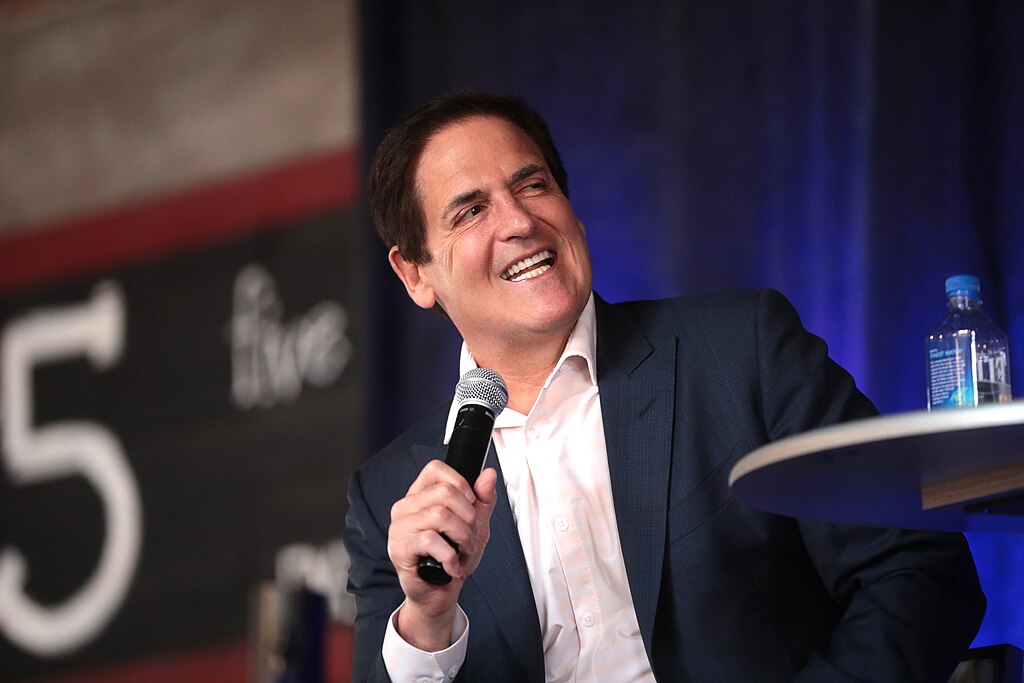
Billionaire entrepreneur Mark Cuban recently made waves by expressing his willingness to collaborate with the Trump administration if asked, despite his past criticisms of former President Donald Trump. In a surprising twist, Cuban, who has often clashed with Trump politically, declared that his top priority is putting America first.
“If they ask, I’m open to it,” Cuban said in an interview, sparking immediate reactions from political observers. “I’m America first, and if I can help in any way, I’ll do what’s needed.”
Cuban’s remarks come as a surprise to many who have followed his vocal opposition to Trump’s policies during his presidency. However, the Dallas Mavericks owner emphasized that his personal feelings about Trump would not get in the way of serving the country. “I’ve always said I’ll do whatever it takes for America, and that hasn’t changed,” Cuban reiterated, stressing his dedication to the nation’s interests.
While Cuban’s willingness to work with the Trump administration may seem unexpected, his reasoning has sparked debate among both political allies and opponents. Some see it as a pragmatic move, recognizing the influential role Trump continues to play in U.S. politics. Others, however, view it as a reversal of Cuban’s previous stance, questioning his sudden shift in attitude.
Critics were quick to point out that Cuban has frequently spoken out against Trump, raising eyebrows at this newfound openness to cooperation. “Mark Cuban spent years criticizing Trump, and now he’s ready to work for him? What changed?” asked one political analyst. The potential controversy stems from Cuban’s past statements, which included strong rebukes of Trump’s policies and leadership style.
Despite the backlash, Cuban remains steadfast in his decision, emphasizing that his focus is on the greater good. “This isn’t about me or him. It’s about doing what’s best for the country,” he said.
Cuban’s statement also raises questions about what role he would play in a Trump-led government. Given his extensive background in business, finance, and technology, there is speculation that Cuban could take on a significant position related to economic policy or innovation. Some have even suggested that Cuban’s involvement could bridge gaps between the private sector and government, fostering new opportunities for collaboration.
However, not everyone is convinced that such a partnership would work smoothly. Political commentator and longtime Cuban critic, Jane Miller, voiced skepticism about the possibility of Cuban and Trump working together harmoniously. “They’re both strong personalities with very different ideas. It’s hard to see how that would play out in practice,” Miller said.
As the public continues to digest Cuban’s comments, one thing is clear: his declaration has reignited discussions about bipartisanship and the possibility of working across political lines in the interest of national unity. Whether or not Cuban will actually be tapped for a role in the Trump administration remains to be seen, but his willingness to set aside personal differences for the sake of the country has certainly stirred the political landscape.







