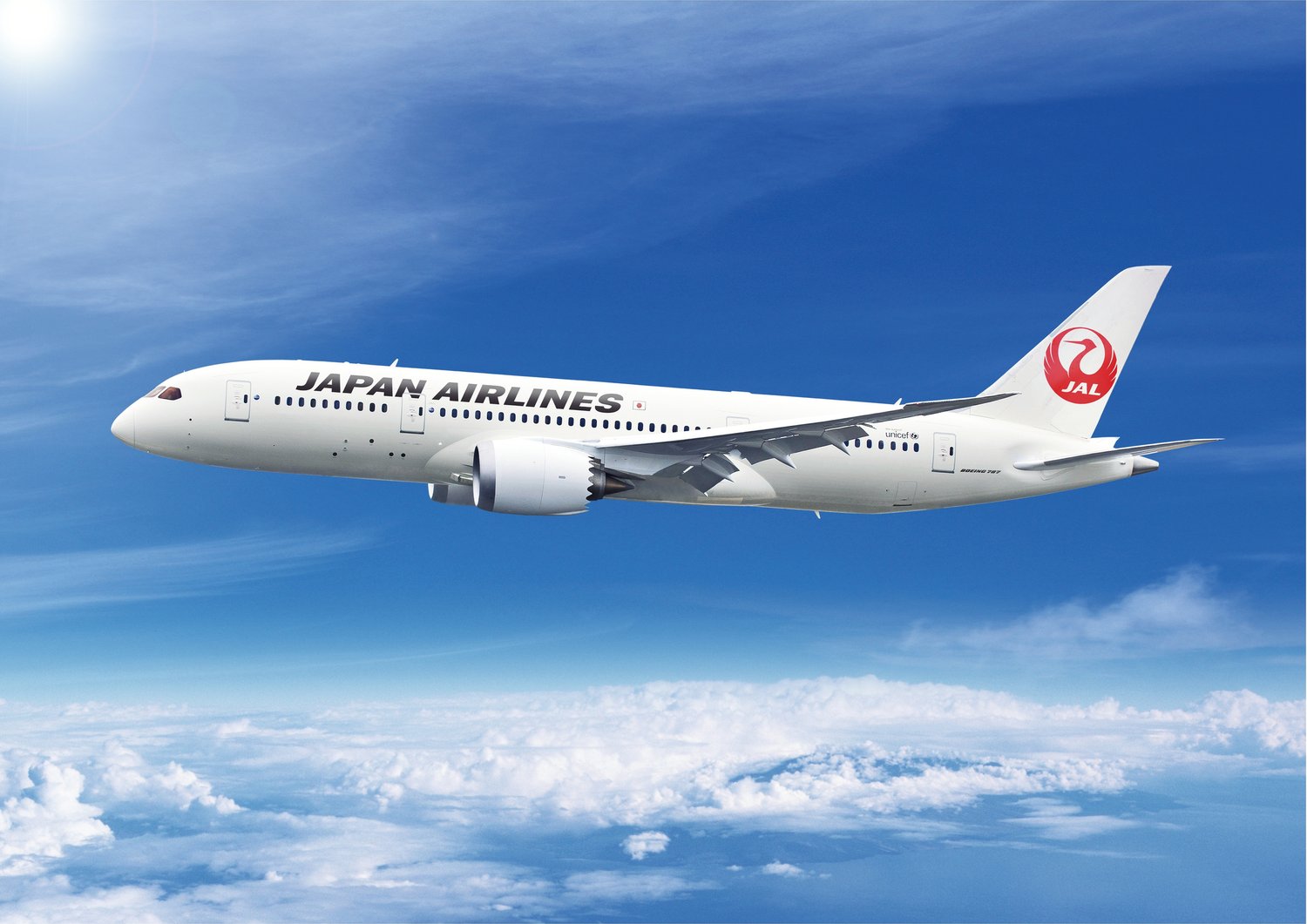
Japan Airlines Co (JAL) has recently announced a soaring increase in net profitability, with figures showing a more than fivefold climb to 85.87 billion yen for the nine months concluding in December. This significant rise can largely be attributed to a surge in air travel demand as COVID-related restrictions ease.
Kyodo reported that the airline's revenue jumped 24.2% to 1.25 trillion yen, with international and domestic flights contributing substantially to the growth, up 64.3% and 25.9%, respectively.
Pandemic Recovery and Sales Boost
With the world slowly moving past the pandemic's peak, JAL has witnessed a robust resurgence in its domestic and international travel sectors. International flights particularly benefited from an influx of inbound travelers while domestic operations continued to expand.
This progress represents a meaningful rebound from the subdued travel climate due to earlier pandemic constraints.
Financial Outlook and Leadership Changes
Japan Today pointed out that despite facing costs from a recent on-ground collision involving one of its jets, JAL has confidently retained its earnings forecast for the fiscal year ending in March. The company visualizes a net profit increase of 2.3 times from the previous year, expecting revenues to amplify by 22.4 percent. Moreover, embarking on a transformative phase, JAL announced the hiring of its first female president.
Mitsuko Tottori, emblematic of the airline's emphasis on workplace gender equality, has pledged to take over the reins this April. Tottori's appointment is a nod to Japan's concentrated efforts to diminish its notable workplace gender divide.
In continuity with the industry's evolving dynamic, Tottori's arrival as president aligns with growing social imperatives for enhancing corporate diversity. With her impressive ascent from a cabin attendant to senior management, JAL celebrates a historic turnover in leadership and demonstrates an influential commitment to bridging the gender gap in Japan's labor environment. This issue stands pronounced in contrast to peers within the Group of Seven and the OECD nations.
With these strategic steps, Japan Airlines positions itself for a future marked by inclusive growth and robust financial health.
Photo: Air Asia Newsroom