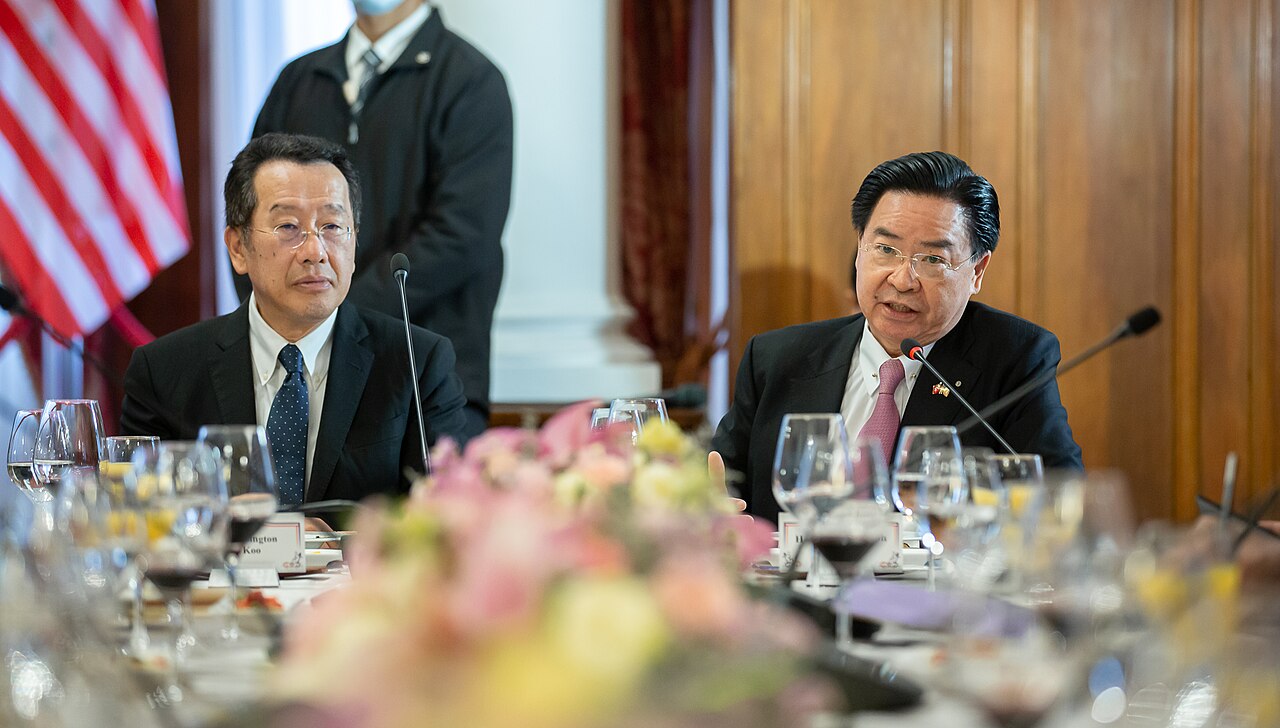
Taiwan's Defense Minister Wellington Koo expressed confidence on Tuesday that Washington's internal review of a second major arms package for the island continues to move forward without delays, even as geopolitical uncertainties mount around U.S.-China relations.
Reuters recently reported that a landmark U.S. arms deal worth approximately $14 billion — featuring advanced interceptor missiles — is awaiting President Donald Trump's final approval. Initial expectations tied the announcement to the conclusion of Trump's planned visit to China, but that trip has since been pushed back by roughly a month due to the ongoing Iran conflict, raising questions about potential ripple effects on the Taiwan agreement.
Koo moved quickly to ease those concerns, stating that Taipei has been in close coordination with Washington throughout the process. "As we understand it, their internal review procedures are proceeding on schedule," he said, adding that Taiwan has received no indications of any delays tied to the postponement.
The proposed deal follows a previously announced $11 billion weapons package unveiled in December, reinforcing the United States' legal commitment to equipping Taiwan with the tools necessary for self-defense — despite Washington maintaining no formal diplomatic ties with Taipei.
Beijing, which regards Taiwan as part of its sovereign territory, has consistently opposed such arms transfers. Chinese President Xi Jinping urged Trump in February to exercise "prudence" on the matter. Meanwhile, analysts continue to watch whether Trump's pursuit of a favorable trade arrangement with China could influence his administration's willingness to sustain military support for Taiwan.
Regional security observers are also monitoring how the reallocation of U.S. military resources toward the Middle East may affect Washington's strategic readiness in Asia, particularly regarding potential flashpoints involving China or North Korea. Koo affirmed that Taiwan's armed forces remain vigilant, closely tracking developments across the Taiwan Strait and broader Chinese military activity.