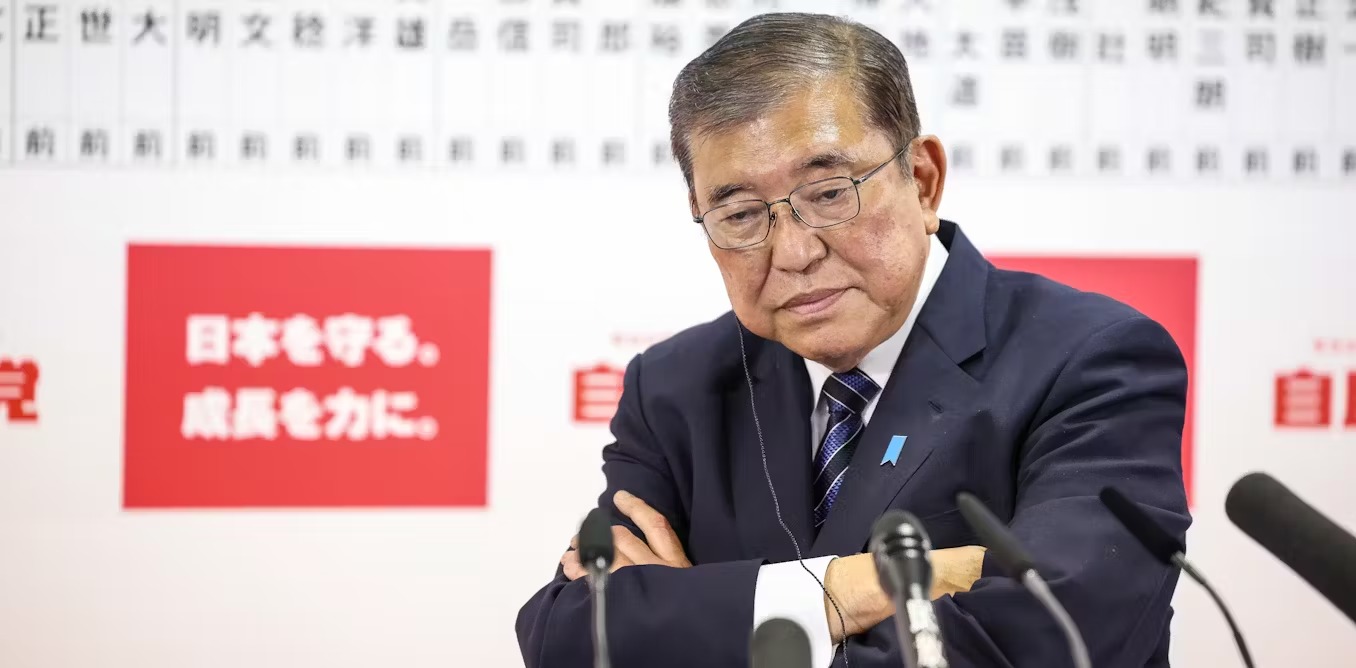
Japanese Prime Minister Shigeru Ishiba said Monday that Japan may increase corn imports from the U.S. as part of ongoing trade negotiations, signaling a potential concession to ease rising trade tensions with Washington.
Speaking in parliament, Ishiba emphasized that Japan will not compromise its domestic agriculture sector to gain U.S. tariff relief on automobiles. However, he acknowledged alternative uses for corn that could align with Japan’s national interests, such as ethanol fuel production and biomass energy, noting Japan’s soil is not ideal for corn farming.
“We hope to deepen the discussion on whether corn should be used for consumption or energy,” Ishiba said, without detailing specific policy changes.
The U.S. exported $2.8 billion worth of corn to Japan in 2024, a key market as exports to China plunged 80%. With Japan seeking to avoid steep U.S. tariffs, increased corn purchases could be used as leverage to secure exemptions, especially for its auto industry.
Trade talks have progressed slowly. Japan’s lead negotiator, Ryosei Akazawa, recently made his second trip to Washington, where working-level consultations are ongoing.
Tensions escalated after U.S. President Donald Trump imposed a 10% base tariff in April 2025 on most global imports, excluding Canada, Mexico, and China. Japan faces a 24% tariff starting in July unless a deal is reached. Additional 25% tariffs on imported automobiles have already hurt Japan’s economy, with automakers facing mounting pressure.
As Japan explores ways to balance domestic protection with trade diplomacy, energy-focused corn imports may offer a strategic path forward in U.S.-Japan trade talks.