Russia’s ambassador to the United Nations, Vassily Nebenzia, accused the United States of violating its obligations as host of the United Nations after Washington allegedly failed to issue a visa for Russian Deputy Foreign Minister Alexander Alimov to attend a U.N. Security Council meeting in New York.
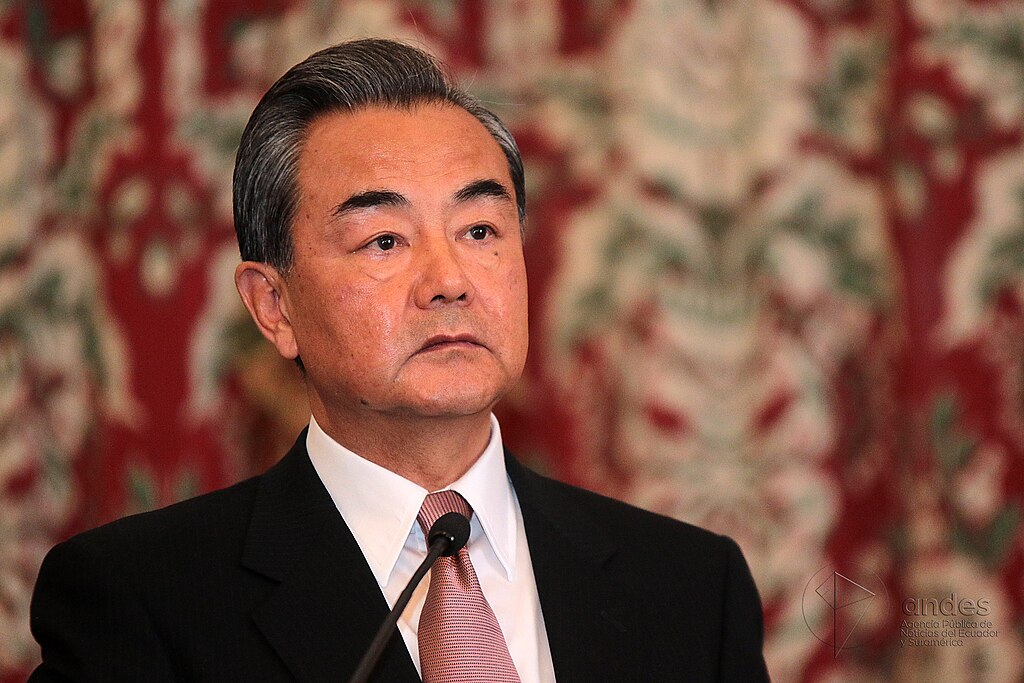
Speaking during a Security Council session chaired by Chinese Foreign Minister Wang Yi, Nebenzia described the visa denial as a serious breach of the U.N. Headquarters Agreement, which requires the U.S. to allow access to officials representing member states at U.N. events. According to Nebenzia, Alimov, who oversees Russia’s relations with the United Nations, had been invited by China to participate in discussions focused on protecting the U.N. Charter and strengthening multilateral cooperation.
Nebenzia criticized the move as disrespectful to China’s presidency of the Security Council and warned that such actions undermine the credibility of the international organization. He argued that all member states must have equal access to U.N. headquarters regardless of political tensions.
Reports also emerged that Iranian Foreign Minister Abbas Araqchi faced visa-related complications ahead of the same meeting. However, a U.S. State Department official denied claims that Washington blocked Araqchi’s travel to New York, stating that the United States remains committed to its responsibilities under the U.N. Headquarters Agreement. Iranian officials previously said the trip was canceled because of issues tied to U.S. visa procedures.
The Security Council meeting took place amid heightened geopolitical tensions and ongoing concerns over conflicts involving Iran, the United States, and Western powers. Wang Yi urged all sides to maintain the ceasefire and support diplomatic dialogue, warning that global stability faces increasing risks.
U.N. Secretary-General Antonio Guterres also addressed the meeting, saying the world is experiencing the highest number of armed conflicts since the founding of the United Nations in 1945. He warned of growing threats to international peace and security as divisions between major powers continue to deepen.
Nebenzia further accused Western nations of applying double standards in international affairs and claimed that military expansion in countries such as Germany and Japan threatens global security and weakens the U.N.-centered international system.