


 OpenAI, Anthropic Back Mandatory AI Breach Reporting in Australia
  Thailand Plans Dual-Class Shares to Revive IPO Market
  Asian Stocks Rise as Fed Rate Hike Bets Fade
  Asian Stocks Rise as Nasdaq Record Offsets Bond Yield Pressure
  China Shuts 670 Banks as Bitcoin Eyes Financial Risks
  Fed’s Hammack Says More Data Needed Before Next Rate Move
  India-US Trade Deal Talks Hit Plateau, Sitharaman Says
  Gold Prices Slip as Strong Dollar and High Treasury Yields Weigh
  Trump Plans Diesel Tax Relief as Fuel Prices Hit Record Highs
  Middle East Oil Exports Top Pre-War Levels Despite Hormuz Attacks
  Fed Unveils Stablecoin Rules Under GENIUS Act
  BOJ Set for 25-Basis-Point Rate Hike as Yen Weakness Fuels Inflation
  Gold Prices Rise as Weak US Jobs Data Cuts Fed Hike Bets
  German Industrial Orders Plunge 10.6% in August


 Add as a preferred source on Google
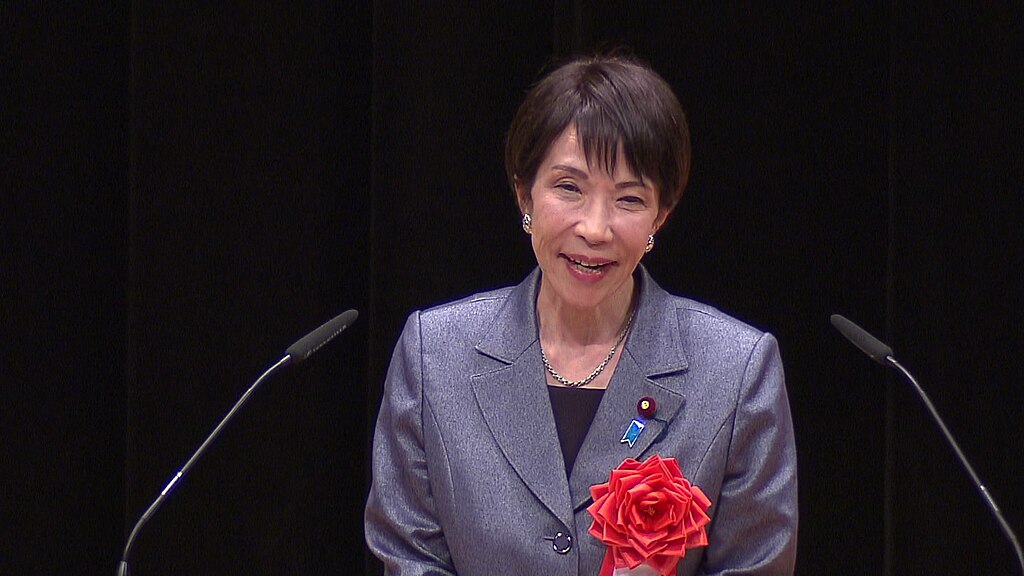
Japan's government is preparing to push for a monetary policy that supports stronger private demand, highlighting its preference for keeping borrowing costs low even as the Bank of Japan (BOJ) continues normalizing interest rates. According to a draft of the government's long-term economic strategy seen by Reuters, the administration led by Prime Minister Sanae Takaichi wants the central bank to closely coordinate its monetary decisions with the government's broader economic growth agenda.
The draft, expected to be finalized in July, contains unusually direct language urging the BOJ to adopt policies that encourage private spending while maintaining stable inflation. It also references Japan's legal framework, which calls for close cooperation between the government and the central bank in achieving shared economic objectives. The stronger wording reflects growing concern within the government that additional interest rate hikes could weaken Japan's fragile economic recovery.
Unlike previous economic blueprints that generally encouraged the BOJ to maintain price stability, this version specifically emphasizes supporting private demand through monetary policy. The government also promises to take swift and sufficient action to prevent the economy from slipping back into deflation while promoting sustainable long-term growth.
The strategy closely resembles the principles of "Abenomics," the economic approach introduced by former Prime Minister Shinzo Abe that combined aggressive fiscal spending with ultra-loose monetary policy. Although inflation has remained near the BOJ's 2% target for almost four years, rising energy prices linked to tensions involving Iran have played a significant role in keeping price pressures elevated.
Former BOJ board member Takahide Kiuchi noted that while the language remains diplomatic, it clearly signals the government's hesitation toward additional rate increases. He said the proposal reflects concerns that tightening monetary policy too quickly could undermine economic momentum.
The BOJ recently raised its benchmark interest rate to 1%, the highest level in more than three decades, and has indicated that further increases remain possible if inflation and wage growth continue. However, the government's latest stance could create additional pressure on policymakers as they balance inflation control with economic expansion.
Market reaction was immediate. Japan's 10-year government bond yield declined after the report was released, offsetting hawkish remarks from BOJ board member Naoki Tamura. Meanwhile, the Japanese yen remained near multi-decade lows against the U.S. dollar, trading around 161.73 per dollar, while the Nikkei stock index surged by more than 3.5%.
Prime Minister Takaichi has consistently supported fiscal stimulus since taking office last year and recently unveiled an ambitious plan to generate more than 370 trillion yen in investment by fiscal 2040 across strategic industries such as artificial intelligence and semiconductor manufacturing. Maintaining relatively low borrowing costs would make financing these investments easier, further explaining the administration's preference for accommodative monetary conditions.
Attention now turns to the BOJ's upcoming policy meeting on July 30-31. While economists largely expect interest rates to remain unchanged, investors will closely examine the central bank's updated economic forecasts for clues about the timing of any future rate hikes. The government's increasingly explicit calls for policy coordination may further complicate the BOJ's efforts to preserve its independence while responding to persistent inflationary pressures.







