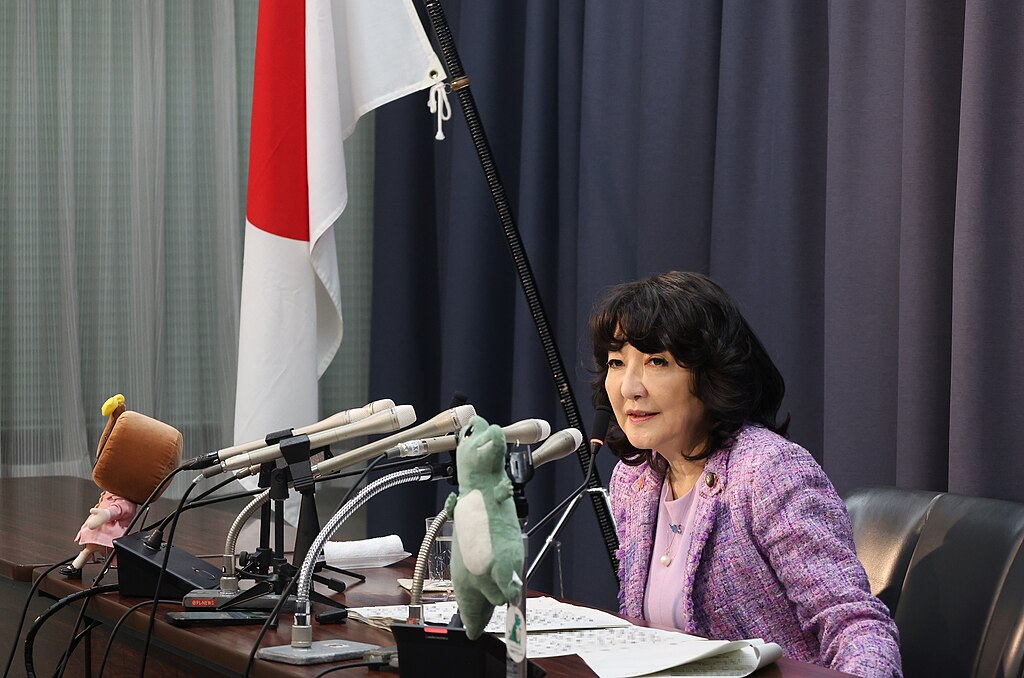
Japanese Finance Minister Satsuki Katayama issued a stern warning to currency traders on Friday, signaling that Tokyo is prepared to take decisive action against what officials describe as speculative behavior driving unusual swings in foreign exchange markets. Her remarks came as the yen hovered near the closely watched 160-per-dollar threshold, a level that has repeatedly triggered intervention concerns among market participants and policymakers alike.
Speaking at her regular press conference, Katayama pointed to a broader pattern of speculative activity affecting not only currency markets but also crude oil futures, noting that volatility across both sectors has risen sharply in recent weeks. While the minister has previously raised similar concerns, analysts say the tone of Friday's statement reflects a deeper level of urgency within the Japanese government as the yen continues its prolonged slide.
Katayama made clear that the impact of exchange rate instability extends beyond financial markets, directly affecting the everyday lives of Japanese citizens and the broader health of the national economy. She emphasized that authorities are ready to deploy a full range of tools in response, though she stopped short of outlining any specific measures or timelines for potential action.
When pressed on whether the Bank of Japan might adjust its monetary policy stance to help stabilize the currency, Katayama maintained that decisions regarding specific monetary instruments remain the exclusive domain of the central bank. The comment underscores the ongoing distinction between fiscal authorities and the BOJ's independent policy mandate, even as both institutions face mounting pressure to address the yen's weakness.
Market participants are now watching Tokyo closely for any follow-through, as verbal warnings alone have had a diminishing effect on traders who continue to test the government's resolve in the face of persistent yen depreciation.