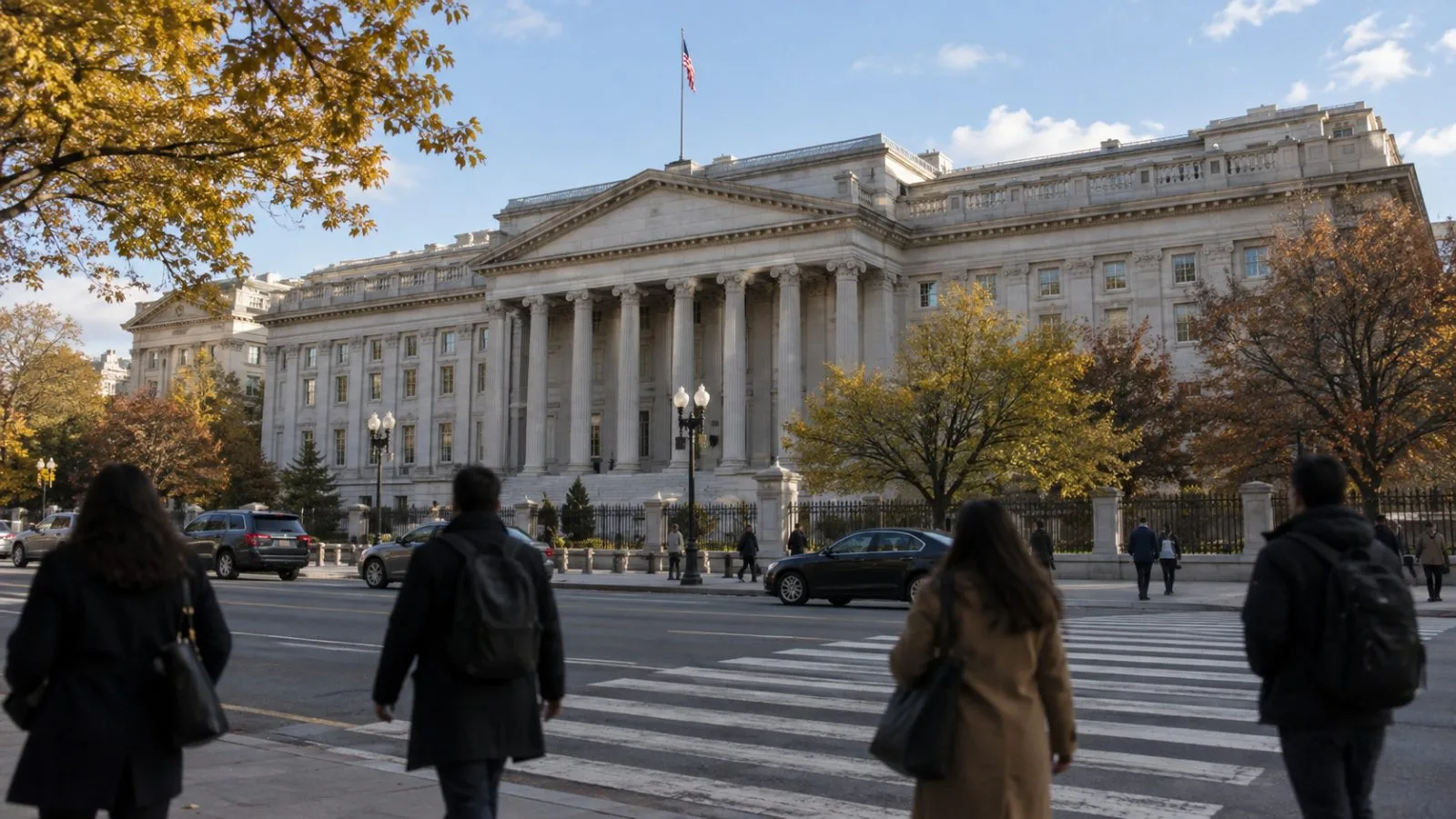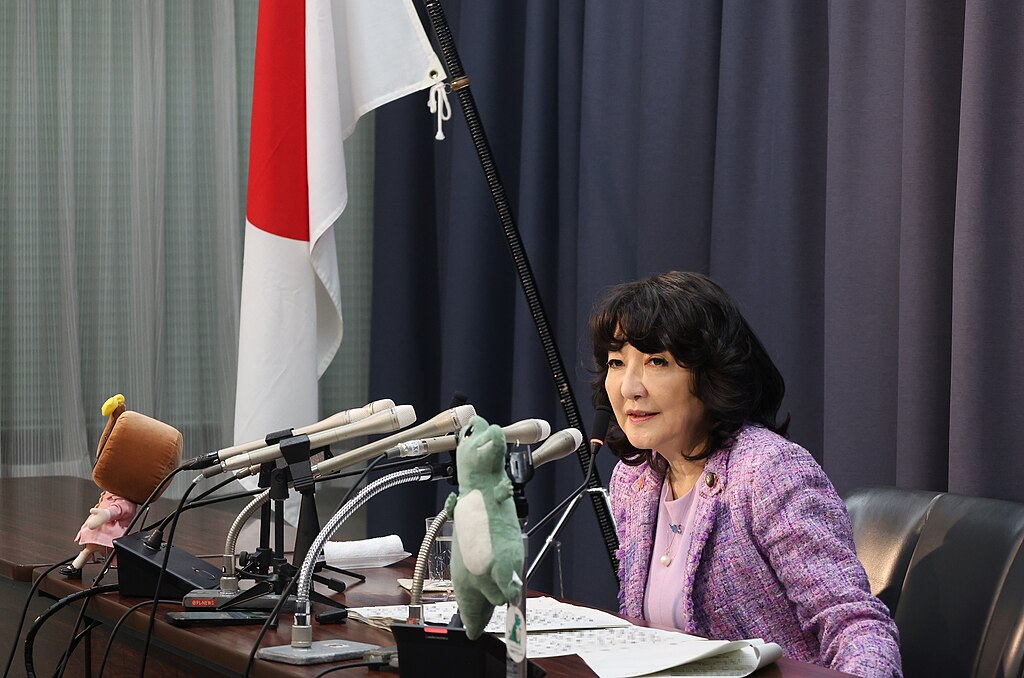
Japan’s Finance Minister Katayama reportedly held an online meeting with U.S. Treasury Secretary Scott Bessent late Monday to address the Japanese yen’s continued depreciation against the U.S. dollar, according to a report from local broadcaster TBS citing sources familiar with the matter.
The discussion centered on the yen’s sharp decline and potential policy measures to stabilize the currency. Among the topics reportedly considered was the possibility of further foreign exchange market intervention if the yen continues to weaken.
The Japanese yen briefly fell to around 161.9 per dollar late Monday, approaching a two-year low reached last week. Market analysts note that a move beyond 161.96 would push the currency to its weakest level since 1986, highlighting growing pressure on Japanese policymakers to respond.
The ongoing weakness of the yen has become a major concern for Japan’s economy, as a weaker currency increases import costs and adds inflationary pressure on households and businesses. At the same time, currency volatility has attracted significant attention from global investors monitoring the foreign exchange market.
Earlier this year, Japanese authorities carried out record-breaking currency intervention efforts to support the yen. Between late April and early May, Tokyo spent approximately 11.7 trillion yen, equivalent to about $72.44 billion, in foreign exchange operations. The intervention marked the largest amount ever deployed by Japan to defend its currency in the market.
The latest talks between Japanese and U.S. officials underscore the growing importance of exchange rate stability as the yen remains near multi-decade lows. Investors are now closely watching for any signals from Tokyo regarding additional intervention measures or coordinated policy actions aimed at preventing further depreciation.
With the USD/JPY exchange rate hovering near historic levels, market participants expect heightened volatility and increased scrutiny of future monetary and currency policy decisions from both Japan and the United States.