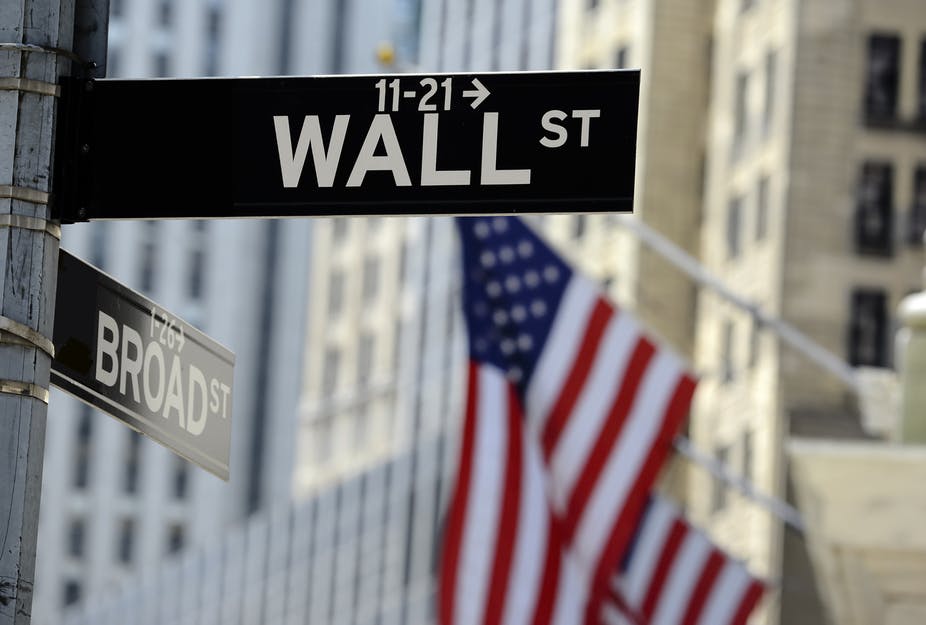
U.S. stocks finished mixed on Wednesday, ending a four-session winning streak as investors paused after a strong start to August. The Dow Jones Industrial Average climbed 0.5% to a record close of 54,349, while the S&P 500 slipped 0.2% to 7,719.19 and the Nasdaq Composite fell 0.8% to 26,363.44 after giving up earlier gains.
Investor sentiment remained supported by a solid corporate earnings season, sector rotation beyond technology, and optimism over potential diplomatic progress between the United States and Iran. However, disappointing market reactions to earnings from SpaceX and Advanced Micro Devices (AMD) weighed on technology stocks.
SpaceX shares tumbled 13.6% despite reporting stronger-than-expected revenue and a narrower quarterly loss, as investors focused on heavy AI infrastructure spending that pressured free cash flow. AMD dropped 7% after issuing upbeat results and guidance that still failed to meet lofty investor expectations. The stock also faced additional pressure after Elon Musk revealed SpaceX would rely exclusively on Nvidia chips for future projects. Nvidia shares rose 3.4%.
Meanwhile, strong earnings from Microsoft and Amazon helped revive confidence in the artificial intelligence sector after a difficult July. The Philadelphia Semiconductor Index has rebounded nearly 15% since Microsoft's earnings, reflecting renewed optimism in AI-related stocks.
Outside technology, Amgen gained 4.6% after reporting stronger product sales driven by demand for key medicines, while Walt Disney advanced 3.6% on better-than-expected profit and an increased share buyback plan.
Economic data painted a mixed picture. ADP reported private-sector employment increased by just 44,000 jobs in July, below expectations and reinforcing signs of a cooling labor market ahead of Friday's closely watched U.S. nonfarm payrolls report. The ISM Services PMI edged up to 54.1, signaling continued expansion, although elevated input prices highlighted ongoing inflation concerns.
Markets also drew support from comments suggesting the U.S. and Iran were nearing an agreement to reopen the Strait of Hormuz. President Donald Trump indicated progress in negotiations, while Iranian officials confirmed talks were advancing. Hopes for a deal helped push oil prices lower despite renewed attacks on Saudi-linked vessels by Iran-backed Houthi forces, easing concerns over global energy supply disruptions.