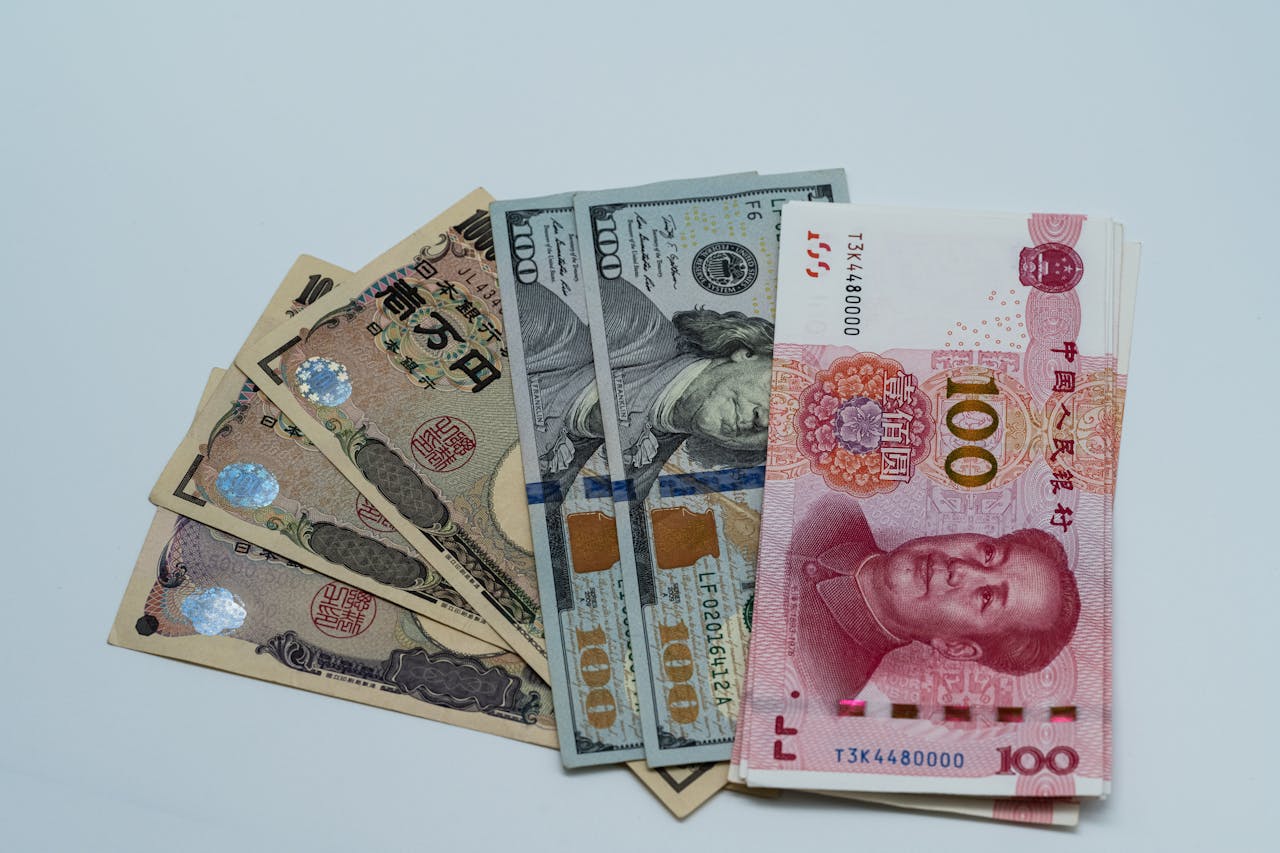
Japan’s top currency diplomat, Atsushi Mimura, reaffirmed Tokyo’s vigilance over foreign exchange markets, warning that authorities remain on high alert despite the recent surge in the yen against the U.S. dollar. Speaking to reporters on Thursday, Mimura emphasized that Japan’s currency policy remains unchanged and that officials are carefully monitoring exchange rate movements amid heightened market volatility.
“Our policy remains unchanged. We will continue to closely monitor markets with a high sense of urgency and maintain close communication with markets,” Mimura said. “We have not lowered our guard at all.” His remarks signal that the Japanese government stands ready to respond to excessive fluctuations in the yen, a key concern for policymakers seeking to maintain economic stability.
Mimura, who serves as Japan’s vice finance minister for international affairs, also confirmed that Tokyo is maintaining close coordination with U.S. authorities. Ongoing communication between Japan and the United States highlights the importance of global cooperation in managing foreign exchange risks and stabilizing currency markets.
The Japanese yen strengthened sharply on Wednesday, driven by investor expectations that Prime Minister Sanae Takaichi’s decisive election victory will give her greater control over fiscal policy. Market participants believe stronger fiscal leadership could influence Japan’s broader economic strategy, boosting confidence in the yen.
Meanwhile, strong U.S. January nonfarm payrolls data triggered temporary volatility in global currency markets. Despite brief fluctuations following the jobs report, the U.S. dollar stabilized near the 153 yen level on Thursday.
Currency traders and investors are now closely watching further signals from Japanese authorities and upcoming economic data for clues on future foreign exchange intervention. As global market uncertainty persists, Japan’s firm stance underscores its commitment to curbing excessive currency volatility and ensuring orderly movements in the yen-dollar exchange rate.