


 Solana User Growth Jumps 33%, Outpacing Ethereum and Chainlink
  Bitcoin Rebounds to $82K as Trump Eases Iran War Fears
  Evernorth XRPN Nasdaq Listing Delayed to October 12
  Robinhood Buys $25 Million in Bitcoin for Corporate Treasury
  Kazakhstan and Tether Explore Tenge Stablecoin and RWA Tokenization
  Cardano Price Eyes $0.30 as ADA Whale Activity Surges
  Zcash Privacy Demand Rises as AI Exposes Bitcoin Transactions
  Ethereum Price Drops Below $2,600 as Long Liquidations Hit 4-Month High
  Jameson Lopp Downplays AI Threat to Bitcoin Cryptography


 Add as a preferred source on Google
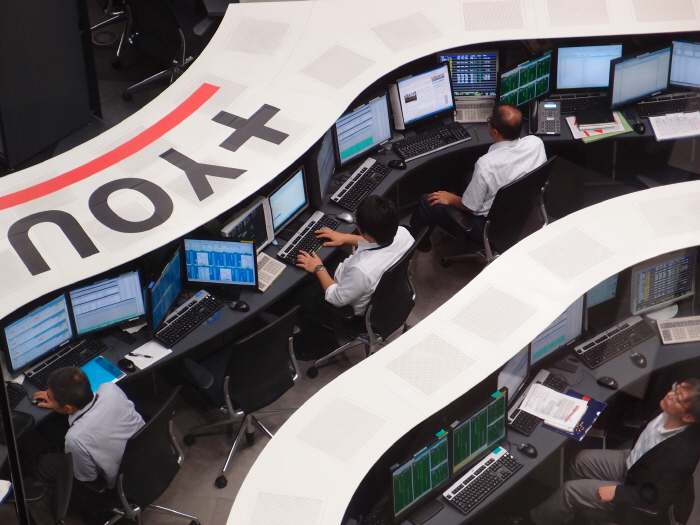
Latest data from Japan's Ministry of Finance (MOF) suggests that outflow is continuing in Japanese equities and in 2015, the pace of outflow from the market was not seen in more than a decade. In August, in a single week, ¥ 1.42 trillion left Japanese stocks, which was sold by foreign investors.
Outflow however moderated since then, in last reported week, foreign investors sold ¥ 177.3 billion worth of Japanese equities. In last reported 8 weeks, foreign investors have sold ¥ 4.8 trillion worth of Japanese equities, in all of which foreign investors were net sellers.
Reasons behind outflow -
- Bank of Japan (BOJ) hasn't signaled further expansion to its Quantitative and Qualitative Easing (QQE), which is dampening mood, given lower inflation outlook.
- Global uncertainty has increased with FED holding liftoffs in September and Peoples Bank of China (PBoC), devaluing Yuan in August.
- Japanese pension funds after adjusting its portfolio has stopped buying into Japanese equities.
- Yen's competitive devaluation edge is lost via sharp fall in Euro and emerging market currencies.
- Yen has remained relatively elevated given overall risk aversion.
- Japanese economy hasn't picked up as originally expected.
If BOJ refrains from raising its asset purchase program on October 30th, there could be further sell offs in Japanese stocks.
Japanese benchmark stock index Nikkei (CFD) is currently trading at 18140, down 13.4% from its peak in August.







