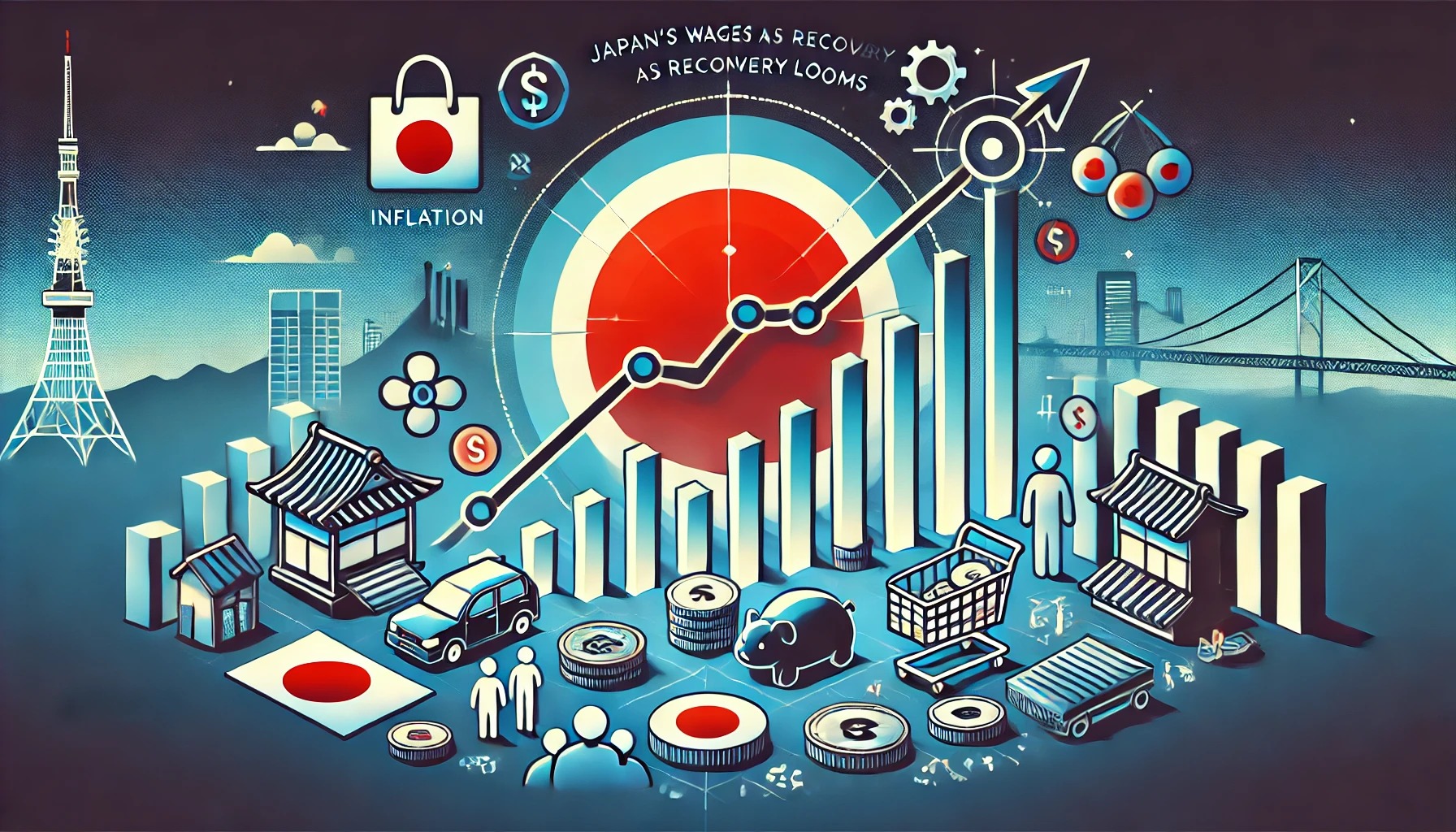
Japan's Wages Decline Amidst Inflation
In August, Japan's inflation-adjusted wages dropped by 0.6% compared to the same period last year, following a revised 0.4% rise in July. This marks a return to negative territory, despite a promising uptick in June when companies offered increased bonuses, boosting real wages for the first time in over two years.
Base Salary Growth Signals Optimism
While bonus contributions waned, base salaries saw a significant 1.8% increase in August, the highest rise in nearly 32 years. This growth stems from labor-management negotiations earlier in the year, where companies agreed to the most substantial pay hikes in decades.
Household Spending and Consumption Trends
Household spending fell 2.5% year-on-year in August, but the decline was less severe than market expectations. On a seasonally adjusted basis, spending rose by 3.9%, showing signs of a recovery in private consumption, which drives over half of Japan’s economy.
Economic Outlook and Rate Hikes
Despite current wage struggles, economists predict a gradual recovery in both pay and consumption. Sustained wage growth is essential for the Bank of Japan’s strategy, as they consider further rate hikes after their first increase in 17 years.
With Japan's economy growing at an annualized 4.8% and core inflation remaining above the central bank’s 2% target, the outlook for additional rate hikes remains strong.
Conclusion
While inflation-adjusted wages in Japan dipped, rising base salaries and improving household consumption suggest a potential rebound soon. The country's economic trajectory points toward further growth and potential interest rate increases.