


 Apple Names Steve Smith M&A Chief in Leadership Shakeup
  Uber Exits Four African Markets Amid Rising Competition
  DogecoinVM Makes DOGE Transactions 300x Faster
  TSMC Q3 Revenue Beats Estimates as AI Chip Demand Surges
  OpenAI Revenue Hits $50 Billion, Below Earlier $70 Billion Estimate
  Ripple Chairman Chris Larsen Donates $22.5 Million Ahead of US Midterms
  FAA Warns US Airlines Over Saudi Arabia Flight Risks
  Apple Cuts iPhone 18 Pro Production Orders Amid Weak Demand
  Broadcom, Oracle and SpaceX Seek Billions in Private Debt for AI Expansion
  Trump Buys Up to $25M in Meta Stock, Invests in SpaceX Debt
  Amazon Cuts More Jobs as AI Investment Expands
  TikTok Accused of Testing Fake Safety Tools on Users
  TSMC Profit Set to Surge 65% as AI Chip Demand Drives Record Earnings
  Starbucks Explores Chipotle Acquisition as Shares Swing
  US Suspends Microsoft, Adobe From Green Card Program


 Add as a preferred source on Google
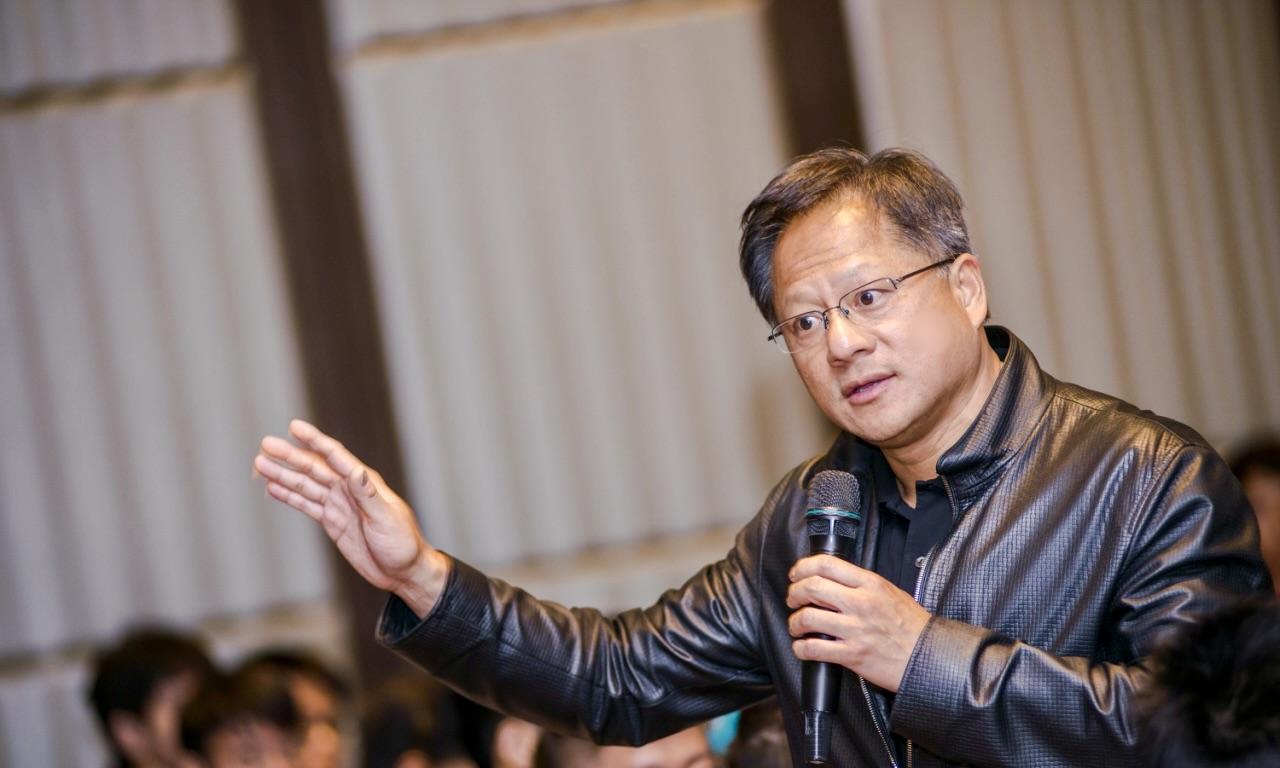
Nvidia CEO Jensen Huang is set to make his second visit to South Korea in just seven months, underscoring the country’s growing importance in the global artificial intelligence ecosystem. Beyond high-level business meetings, Huang’s itinerary includes public appearances such as throwing the ceremonial first pitch at a professional baseball game and participating in one of South Korea’s most popular television talk shows.
The visit highlights South Korea’s strategic role in Nvidia’s AI supply chain. Samsung Electronics and SK Hynix collectively produce around 70% of the high-bandwidth memory used in advanced AI processors, including Nvidia’s cutting-edge chips. As demand for AI infrastructure accelerates worldwide, Nvidia’s reliance on South Korean semiconductor suppliers continues to increase.
Industry analysts believe South Korea is becoming a critical partner for Nvidia’s future ambitions, particularly in the rapidly growing field of physical AI. This technology integrates artificial intelligence into robots, autonomous vehicles, manufacturing systems, and smart factories. Thanks to its advanced manufacturing capabilities and leadership in robotics, South Korea is viewed as an ideal environment for developing and testing these next-generation AI applications.
The country is also a major customer for Nvidia technology. In recent years, Nvidia announced plans to provide more than 260,000 advanced AI chips to South Korean government agencies and leading corporations, further strengthening the partnership.
Newly elected President Lee Jae Myung has identified AI investment as a national priority, aiming to position South Korea among the world’s top AI powers while addressing economic challenges linked to demographic decline. Huang has repeatedly emphasized that South Korea remains a crucial part of Nvidia’s global ecosystem and highlighted robotics as a key area for future collaboration.
During his visit, Huang is expected to meet executives from major South Korean conglomerates, including SK Group, Hyundai Motor, LG Group, and Naver. Reports also suggest he may attend private dinners with industry leaders to discuss potential partnerships and investment opportunities.
As global competition in artificial intelligence intensifies and restrictions limit advanced chip sales to China, South Korea’s importance to Nvidia’s growth strategy continues to rise. Huang’s high-profile visit reflects both the business significance and public interest surrounding the evolving relationship between Nvidia and South Korea’s technology sector.







