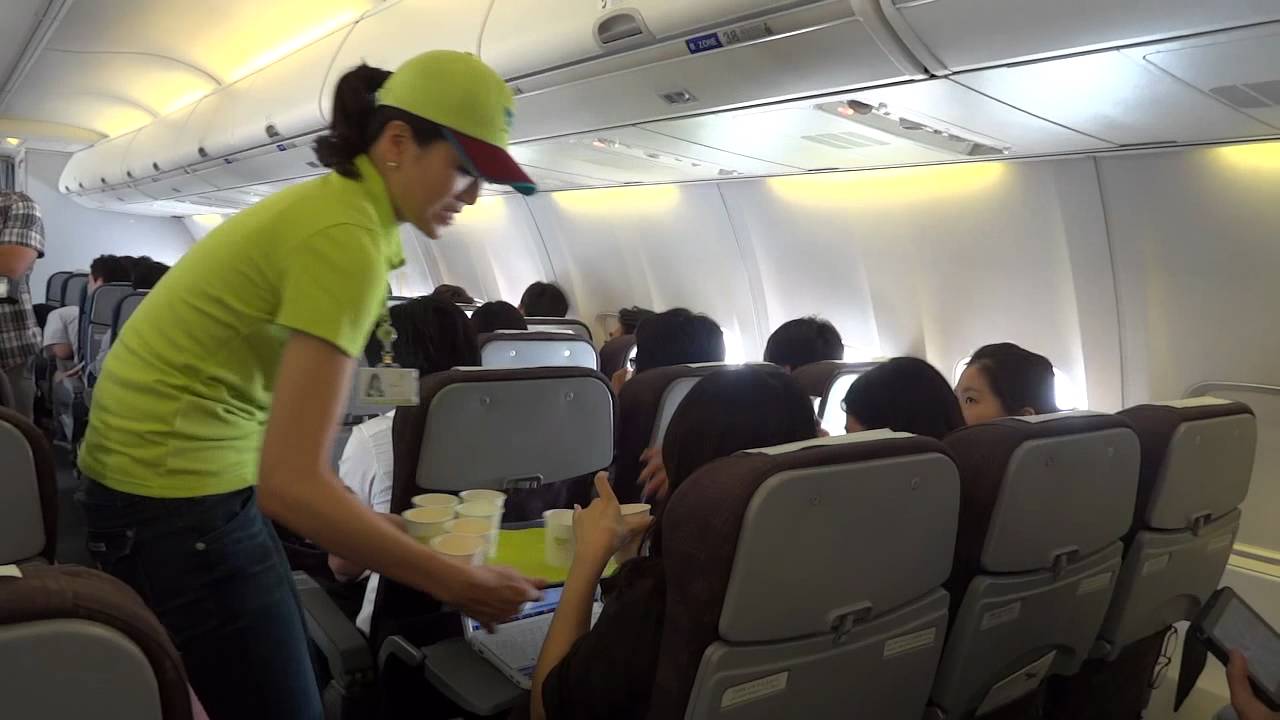
South Korean low-cost carrier Jin Air Co. will resume flights from Incheon to Bangkok, Taipei, Narita, Osaka, and Vietnam on June 1 to cater to incoming passengers and meet cargo-carrying demand.
Jin Air hopes to bring Koreans studying or doing business abroad back to the country. There will also be one to two flights a week to the five cities to meet cargo-carrying orders.
Since April, Jin Air has suspended all of its international flights due to entry restrictions caused by COVID-19 but retained service in seven domestic routes.
Before the COVID-19 pandemic, Jin Air had 32 international routes, including Hong Kong, Guam, Hawaii, and Shanghai.
Hanjin KAL Corp., the parent company of Korean Air Lines Co., holds a 60 percent stake in Jin Air.
In the first quarter, Jin Air shifted from a net profit of 31.8 billion won to a net loss of 45.77 billion won.


DOJ Seeks Dismissal of Gautam Adani Bribery Case, Citing Foreign Scope
Bank of America Upgrades T-Mobile to Buy, Says LEO Satellite Fears Are Overdone
Foxconn Q2 Revenue Surges Nearly 40% on Strong AI Server Demand
Chinese Copper Foil Maker Londian Files U.S. IPO as EV Battery Demand Grows
easyJet Agrees in Principle to £5.23 Billion Castlelake Takeover Offer
Switch Seeks $2 Billion Funding at Nearly $50 Billion Valuation Ahead of Potential IPO
BHP Workers Approve New Labour Agreement at WA Iron Ore Operations
Super Micro Employees Detained in Taiwan AI Server Export Investigation
Kuaishou Stock Jumps as Kling AI Secures $2 Billion Funding Round
Meta Cloud Ambitions Could Challenge AWS, Azure, and Google Cloud, Says Morgan Stanley
Lockheed Martin Emerges as Frontrunner to Acquire Ultra Maritime in $3.5 Billion Defense Deal
Kioxia Bets on AI Memory Boom With Next-Gen NAND Production in Japan
Tesla Q2 Deliveries Lift Chinese Auto Suppliers as EV Demand Improves
Suncorp Cuts 2026 Premium Growth Forecast as Australia, New Zealand Markets Weaken
EU Chip Industry Faces Growing Risks From China Export Controls and U.S. Technology Dependence: Report
Samsung to Invest $90 Billion in South Korea to Expand AI Chip, Display, and Battery Production 


