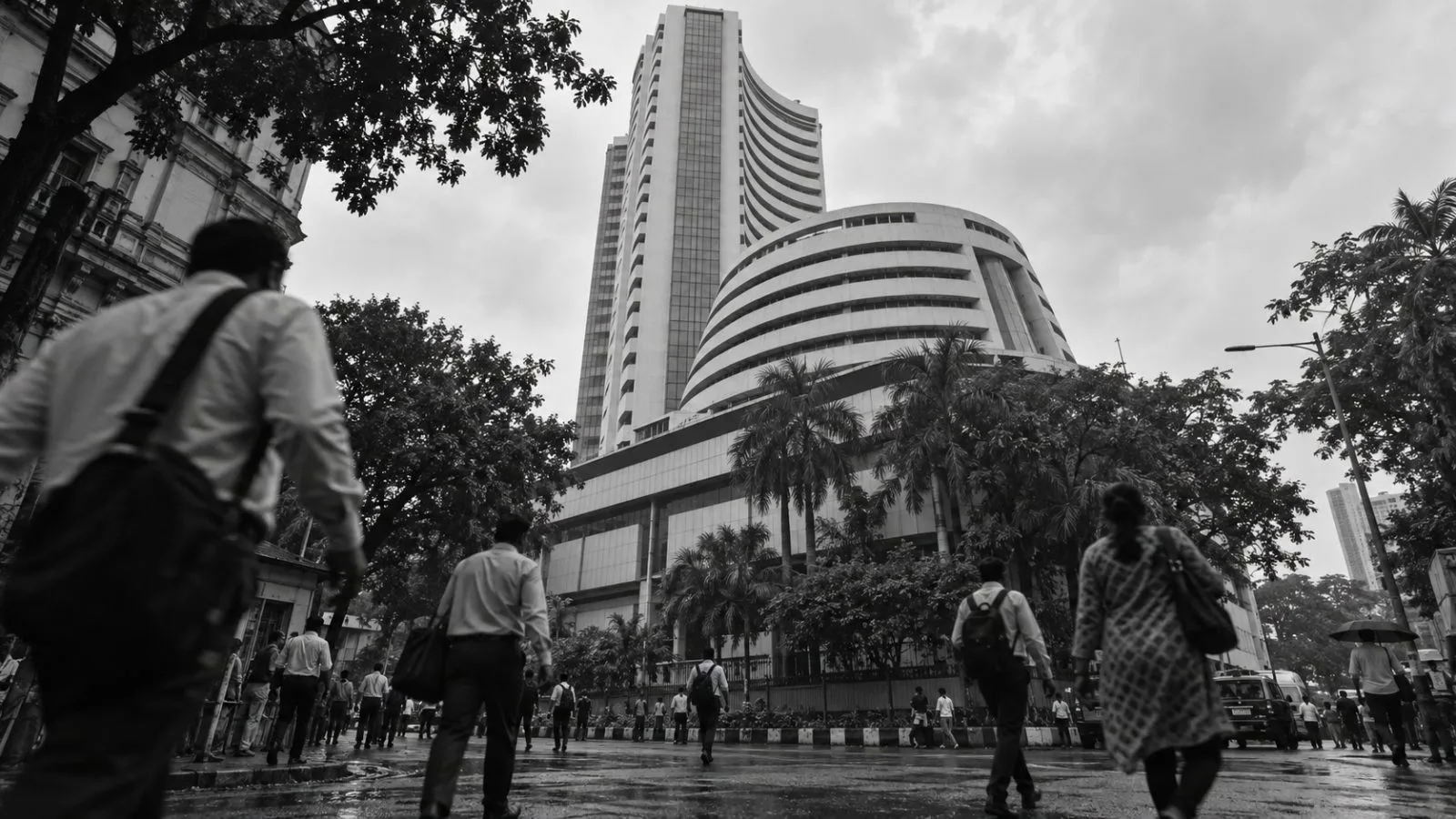
At its Oct. 30 close, Jio Platforms Limited stood 27.9% above its issue price, while Anand Rathi’s data for five other Indian shares showed varied three-year returns.
Moneycontrol reported a Bombay Stock Exchange (BSE) close of ₹1,431.20 and a National Stock Exchange (NSE) close of ₹1,431.30. The two reported closes differed by 10 paise. BSE’s listing notice set the issue price at ₹1,119, making the BSE close 27.9% higher. Moneycontrol said Jio began trading Oct. 28 at ₹1,358, a 21.36% premium to the issue price. EconoTimes previously covered Jio’s first trading session.
Anand Rathi reported Reliance Industries at ₹1,163.55, up 0.68% over three years, and Jio Financial Services at ₹204.50, down 6.66%. Alok Industries ended at ₹8.09, a 53.48% decline over the same period. The five comparison prices are BSE closes.
Network18 Media & Investments posted the largest drop, falling 65.78% to ₹23.68. Lotus Chocolate Company had the strongest gain, rising 88.02% to ₹508.40. Reliance Industries and Lotus were the only two of the five with positive readings, Anand Rathi’s figures showed.
The comparison uses different windows. Jio’s 27.9% rise starts at its issue price following its Oct. 28 debut, while the other figures span three years through Oct. 30. The percentages describe share-price changes and do not establish any individual investor’s return, which depends on the price paid. A buyer entering after the debut would have a different starting price and result.
Jio Platforms’ red herring prospectus filed with the Securities and Exchange Board of India (SEBI) describes a 270 million-share issue and names Reliance Industries as promoter. The filing said the company proposed using net proceeds both to repay borrowings at Reliance Jio Infocomm and for general corporate purposes. It also cautioned that the issue price was not a guide to the stock’s market price after listing.