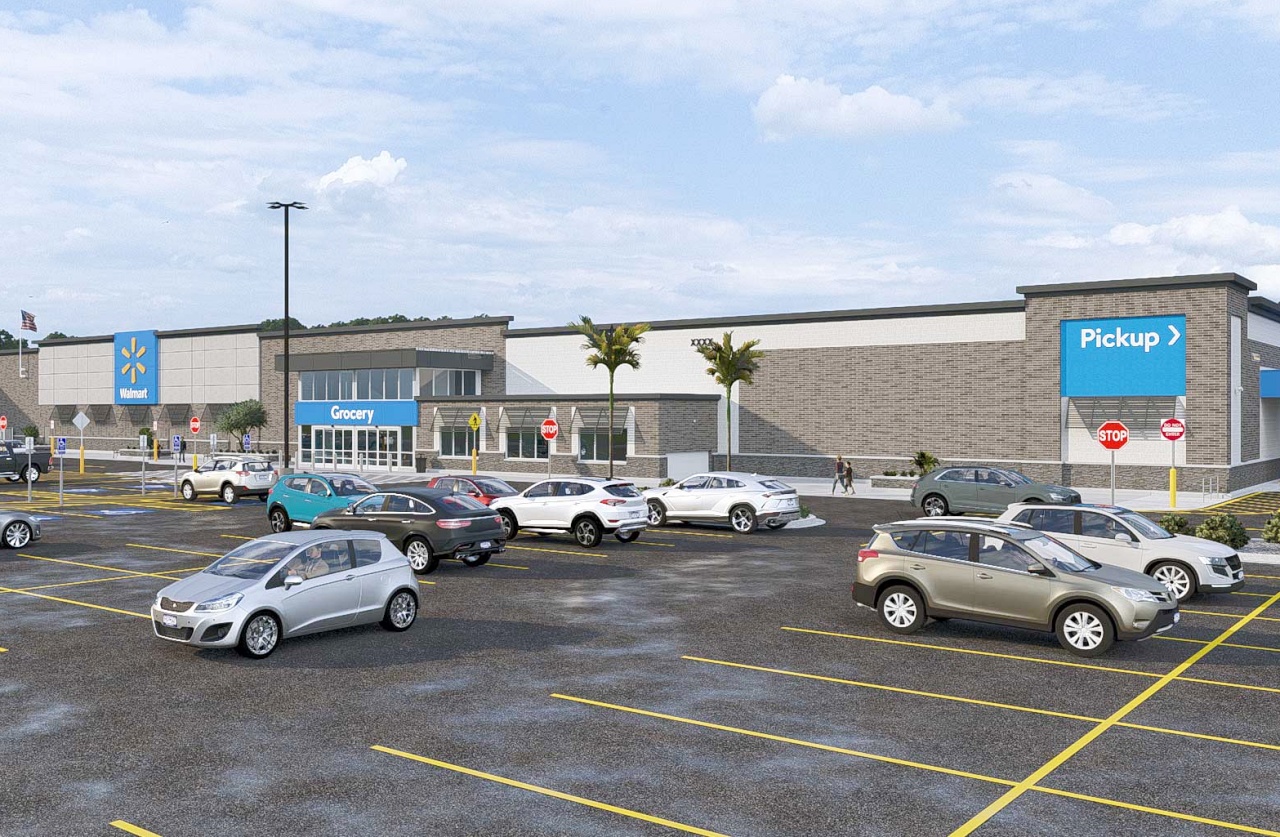
As John Furner prepares to become Walmart’s new CEO on Feb. 1, he enters the role with decades of company experience and a reputation for collaborative, forward-thinking leadership. Furner, who began his Walmart career as an hourly associate and later lived in China for two years, drew heavily on his international background during the height of the COVID-19 pandemic. In 2020, as panic buying intensified across the U.S., he tapped colleagues in China—then months ahead in pandemic response—to rapidly adjust inventory forecasts and strengthen fulfillment operations.
Now, as he succeeds Doug McMillon—under whom Walmart saw a 21% profit increase and a four-fold rise in share price—Furner faces a new set of challenges. Economic uncertainty, pricing pressures, and tariffs threaten margins, while investors expect clear returns from Walmart’s growing investments in artificial intelligence. Analysts say this moment will test his ability to innovate in a rapidly shifting retail landscape.
Furner, 51, has been widely viewed as the natural successor. Since taking charge of Walmart U.S. in 2019, he launched Walmart+, expanded wages to an average of more than $17 an hour, and modernized distribution centers to accelerate deliveries. He also played a pivotal role in building Walmart Connect into a multibillion-dollar advertising business, reinforcing Walmart’s evolution into a tech-driven retail leader.
Experts believe Furner’s mandate is straightforward: accelerate innovation, strengthen Walmart’s AI capabilities—including its chatbot initiatives and OpenAI partnership—and continue improving operational efficiency. Yet the role also demands skillful management of media, government relations, and investor expectations as he becomes the public face of a $700 billion global retailer.
Furner has long emphasized the importance of external collaboration, citing his global experience as crucial during the pandemic. His background—rooted in Walmart’s culture and shaped by diverse operational roles—suggests he is well-prepared for the challenges ahead. As he steps into leadership, Furner remains optimistic, saying he sees an “exciting” future for the company.