


 European Auto Stocks Rise as EU-China Trade Deal Targets Hybrid Imports
  Most Americans Oppose Election Betting on Prediction Markets, Poll Finds
  Arthur Hayes Announces FLOP Testnet Launch Within Weeks
  Nvidia’s China AI Chip Market Share Falls to 34% as Huawei Gains Ground
  Orsted to Take Full Ownership of UK Offshore Wind Farm for £15 Million
  Apple Supplier Luxshare Faces US Patent Probe, Sees Limited Impact
  South Korea Blocks 27 Crypto Exchange Websites in Regulatory Crackdown
  Samsung, SK Hynix Shares Plunge as China Chip Competition Grows
  Visa Wins China Approval to Prepare Domestic Payments Expansion
  Russia Approves Sberbank for Crypto Exchange Services
  Elon Musk Donates $366 Million to 2026 US Midterms
  Bumble Shares Surge 50% on $1 Billion Buyout Talks
  Samsung, SK Hynix Shares Fall as China's CXMT Advances DRAM Technology
  Moonshot AI Executives Seek Settlement Ahead of Hong Kong IPO
  Albertsons Seeks $9.3 Billion From Kroger Over Failed Merger
  Nasdaq Faces Pullback to 26,225 Despite Bullish Outlook, UBS Says
  Morgan Stanley Predicts $10 Trillion RWA Market by 2030


 Add as a preferred source on Google
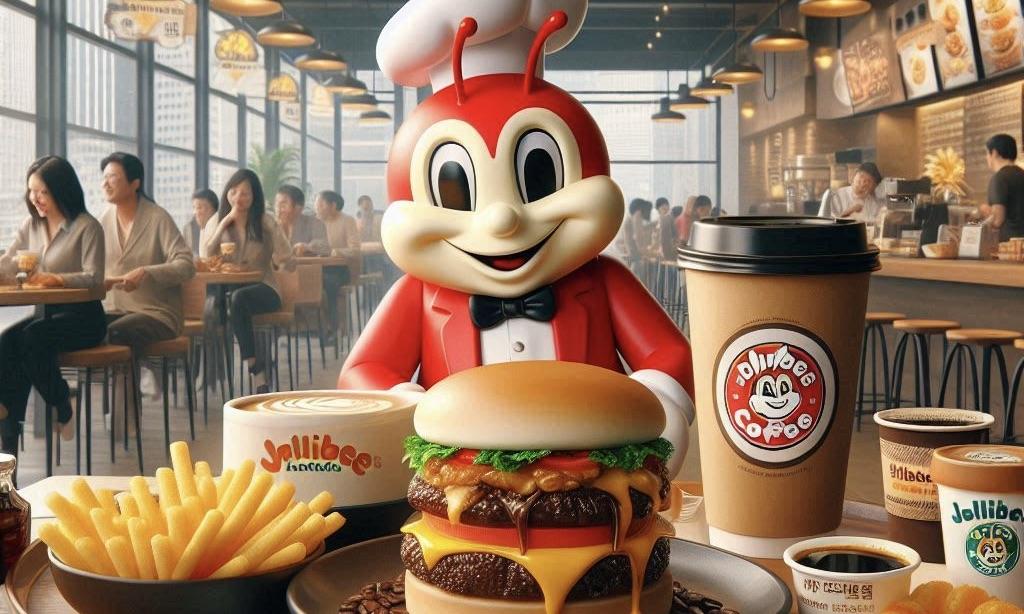
Jollibee Foods Corp. plans to increase the popularity of Compose Coffee in South Korea before introducing it to the Philippines. CFO Richard Shin highlighted the strategy during a press briefing, emphasizing market share growth in Korea for better shareholder returns.
Jollibee Prioritizes Expanding Compose Coffee in South Korea to Compete with Starbucks Before Entering the Philippines
Rather than promptly introducing Compose Coffee to the Philippines, Jollibee Foods Corp. intends first to increase the popularity of the South Korean coffee brand in its home country and compete with the industry giant Starbucks Coffee.
According to Richard Shin, the chief financial officer of Jollibee, Compose Coffee presently holds an 8 percent market share in South Korea, while Starbucks has a 28 percent market share. This information was disclosed to reporters on July 25.
Conversely, Starbucks operates nearly 1,900 stores, while Compose Coffee boasts more than 2,000 locations throughout its domestic market.
During a press briefing, Shin said, “We will be very focused on Korea for at least the next five years … market share growth in Korea will be a better return for shareholders.”
The CFO also noted that South Korea had the highest coffee consumption in Asia and ranked third globally, following Italy and Canada.
Shin clarified that they would capitalize on Compose Coffee's capacity to sell blended and roasted coffee beans to its licensees, which had always been the company's primary source of revenue.
According to INQUIRER.net, this month, Jollibee Worldwide Pte. Ltd. (JWPL) announced its intention to acquire 70% of the popular South Korean coffee chain in a $340-million agreement with Elevation Equity Partners Korea Ltd. and Titan Dining II LP.
Jollibee's Strategic Investment in Compose Coffee Projected to Yield 36% Return in Five Years
According to Shin, Elevation approached Jollibee for the agreement and will own 25% of Compose Coffee. Titan II, a private equity entity in which Jollibee has a 90% participating interest through JWPL, will own 5%.
Shin stated that they intended to finance 47 percent, or $111 million, of Jollibee's shareholding through debt and 53 percent, or $128 million, through cash.
Shin projected that Jollibee would generate a 12-percent return on its investment in Compose Coffee by the end of the year and a 36-percent return after five years. However, the company had yet to specify the approximate time it anticipated reaching breakeven on its investment.
He underscored that Compose Coffee's capital-light; 100-percent franchise business model resulted in a "debt-free balance sheet."
Compose Coffee, established in Busan in 2014, has 2,470 stores, making it the most excellent brand in store count at Jollibee. The iconic Chickenjoy dishes are produced by the flagship Jollibee brand, which has over 1,600 stores worldwide.
Jollibee's acquisition of the Korean coffee chain is one of its most significant investments, following the $350 million acquisition of The Coffee Bean and Tea Leaf in 2019.







